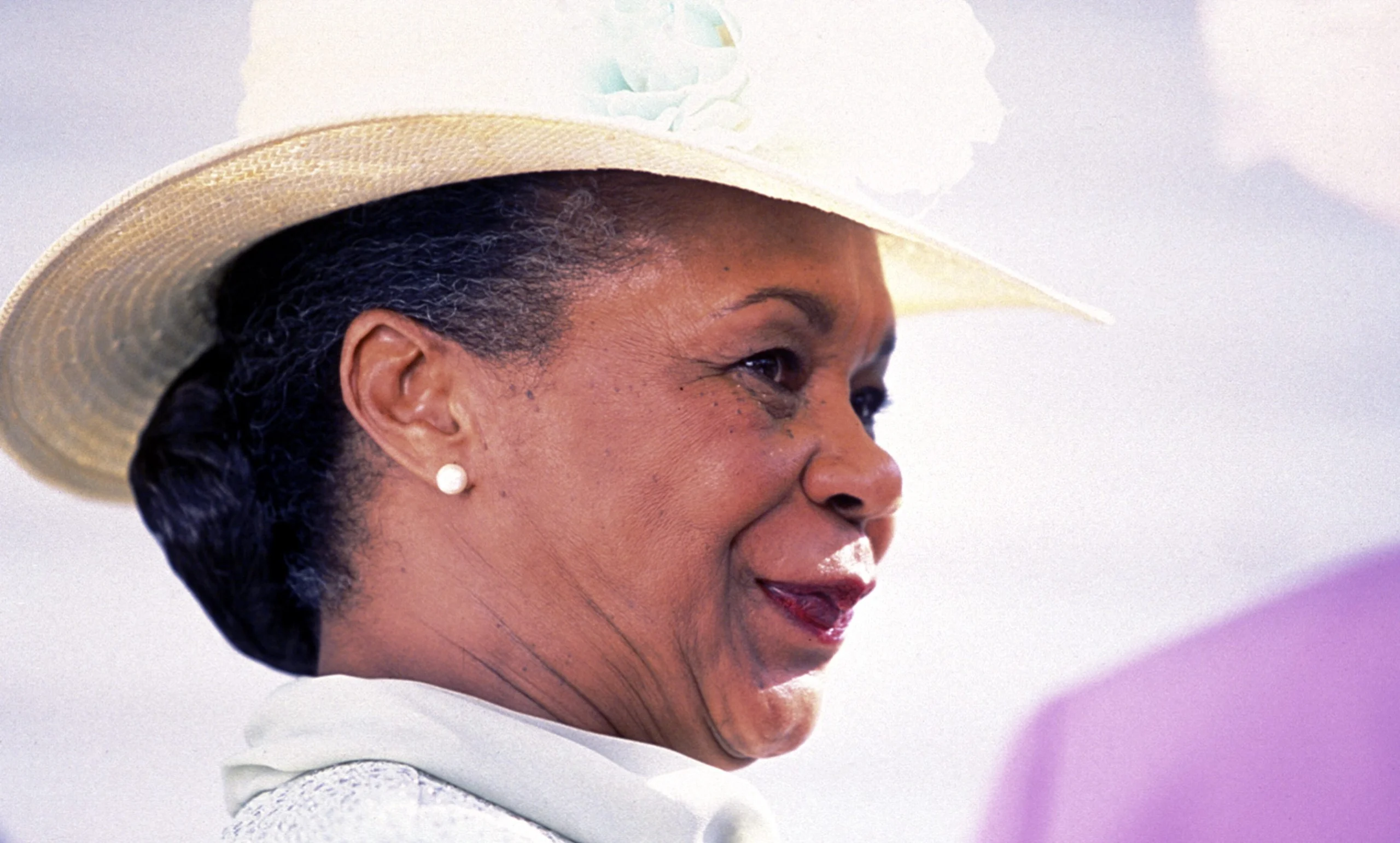
Mary Alice Smith (December 3, 1936[1][a] – July 27, 2022), known professionally as Mary Alice, was an American television, film, and stage actress. Alice was known for her roles as Leticia “Lettie” Bostic on the sitcom A Different World (1987–1989) and Effie Williams in the 1976 musical drama Sparkle, and won an Emmy Award for Outstanding Supporting Actress for her recurring role on the series I’ll Fly Away. Alice also performed on the stage, and received a Tony Award for Best Featured Actress in a Play for her appearance in the 1987 production of August Wilson‘s Fences.
The Mary Alice Biography tells the story of one of the most respected and emotionally powerful actresses in American entertainment history. Known for her commanding yet understated performances, Mary Alice built a career defined by authenticity, dignity and artistic discipline rather than celebrity spectacle.
Over several decades, she became one of the defining actresses portraying Black womanhood in American theater, television and film. Her performances in productions such as Sparkle, A Different World, Fences and I’ll Fly Away helped shape conversations around representation, emotional realism and character-driven storytelling.
The Mary Alice Biography is not simply the story of an actress.
It is also the story of a woman whose work transformed American stage and screen by bringing emotional complexity, restraint and humanity to every role she performed.
Read Also: Burt Young – American Actor, Author, and Painter
Even years after her retirement and death, her performances continue to be studied, celebrated and revisited by actors, critics and audiences worldwide.
Early Life and Childhood in the Mary Alice Biography
Mary Alice Smith was born on December 3, 1936, in Indianola, Mississippi, United States.
She was born to Ozelar Jurnakin Smith and Sam Smith during a period when the American South remained deeply segregated and socially divided.
The Mary Alice Biography quickly shifted northward, however, because her family relocated to Chicago when she was only two years old.
Growing up in Chicago exposed her to a rich and evolving African American urban culture that later influenced both her worldview and artistic identity.
Although audiences would later associate her with emotional performances and dramatic storytelling, her early ambitions were rooted more in education than entertainment.
She attended Chicago Teacher’s College, now known as Chicago State University, where she trained as an educator.
Before acting professionally, Mary Alice worked as an elementary school teacher.
This early teaching career became an important part of her development.
The discipline, empathy and understanding of human behavior she gained as a teacher later shaped the quiet emotional power that defined her acting style.
A Late Entry Into Acting
Unlike many performers who begin acting during childhood or adolescence, the Mary Alice Biography entered professional theater relatively late.
She became more deeply involved in acting during the mid-1960s through community theater productions.
Her journey into entertainment was gradual and grounded in persistence rather than sudden fame.
During her early stage years, she worked in productions by playwright Douglass Turner Ward, including Days of Absence and Happy Endings.
Reports suggest she even handled backstage responsibilities, including washing cast members’ laundry, while earning modest income and learning the realities of theater life.
The Mary Alice Biography reflects extraordinary commitment to artistic craft during a period when opportunities for Black actresses remained highly limited.
Rather than chasing celebrity status, she focused on mastering performance itself.
Read Also: Bode Agusto – Nigerian Economist and Financial Strategist
Experimental Theater and Artistic Development
One of the most important chapters in the Mary Alice Biography unfolded at the La MaMa Experimental Theatre Club between 1969 and 1973.
The theater became one of the most influential centers for avant-garde and experimental performance art in America.
There, Mary Alice participated in productions including:
- A Rat’s Mass by Adrienne Kennedy
- Street Sounds by Ed Bullins
These experiences immersed her in experimental Black theater movements that challenged traditional storytelling structures and explored identity, race and social struggle through unconventional performance styles.
The Mary Alice Biography therefore developed within both mainstream and experimental artistic traditions.
This combination helped shape her distinctive acting style — emotionally restrained yet profoundly powerful.
Critics later praised her ability to communicate emotional truth through subtle gestures, silence and realism rather than theatrical exaggeration.
Breaking Into Film and Television
Mary Alice made her screen debut in the 1974 film The Education of Sonny Carson.
The appearance marked the beginning of a long and highly respected career in film and television.
Throughout the 1970s, she appeared in popular television programs including:
- Police Woman
- Sanford and Son
- Good Times
These roles demonstrated her versatility and introduced her to wider American audiences.
However, one of the first major turning points in the Mary Alice Biography came through the 1976 musical drama Sparkle.
She portrayed Effie Williams, delivering a performance that combined maternal strength, vulnerability and emotional realism.
The role brought widespread attention and established her as one of Hollywood’s most respected character actresses.
A Different World and Television Recognition
The Mary Alice Biography entered mainstream popular culture through television during the late 1980s.
Her portrayal of Leticia “Lettie” Bostic on the hit television series A Different World became one of her most recognizable roles.
As a dormitory director, Mary Alice created a character who balanced authority, compassion and emotional warmth.
Audiences connected deeply with her performance because it reflected wisdom and realism rather than exaggerated television stereotypes.
The role helped introduce her to younger generations and solidified her place in American television history.
At a time when Black female characters were often narrowly portrayed on television, Mary Alice consistently brought dignity and emotional depth to her roles.
Fences and Broadway Excellence
One of the defining achievements in the Mary Alice Biography came through theater.
Her portrayal of Rose Maxson in August Wilson’s acclaimed play Fences became one of the most celebrated performances of her career.
The role earned her the Tony Award for Best Featured Actress in a Play in 1987.
She also received a Drama Desk Award for the performance.
Critics praised her ability to communicate emotional pain, resilience and quiet strength with extraordinary authenticity.
The Mary Alice Biography therefore became deeply connected to one of the most important works in modern American theater.
Even decades later, her interpretation of Rose Maxson remains highly influential among actors and stage productions worldwide.
Read Also: Idris Elba – British Actor, Producer, and Musician
Emmy-Winning Performance in I’ll Fly Away
Mary Alice achieved another career milestone through television.
Her portrayal of Marguerite Peck in the drama series I’ll Fly Away earned her the Primetime Emmy Award for Outstanding Supporting Actress in a Drama Series in 1993.
The performance reinforced her reputation as one of America’s finest dramatic actresses.
The Mary Alice Biography became increasingly associated with emotional realism and understated performance excellence.
Unlike performers who relied heavily on dramatic theatrics, Mary Alice often conveyed extraordinary emotional complexity through restraint and subtle expression.
This approach became one of her defining artistic trademarks.
Film Career and The Matrix Franchise
Throughout the 1990s and early 2000s, Mary Alice continued appearing in important films.
Her filmography included roles in:
- Malcolm X
- The Inkwell
- Down in the Delta
- Sunshine State
Another major moment in the Mary Alice Biography came in 2003 when she joined the globally successful Matrix franchise.
Following the death of actress Gloria Foster, Mary Alice assumed the role of the Oracle in The Matrix Revolutions.
The challenge was particularly difficult because she needed to reinterpret an already established character while preserving continuity for audiences.
Critics praised her performance for maintaining the wisdom, mystery and emotional grounding associated with the Oracle character.
She also voiced the Oracle in related Matrix video game projects.
Retirement and Lasting Relevance
Mary Alice officially retired from acting in 2005 after nearly four decades in entertainment.
However, the Mary Alice Biography remains highly relevant today because her work continues influencing modern discussions about representation, storytelling and Black performance art.
Her performances are regularly revisited in retrospectives focusing on:
- Black cinema
- Broadway history
- Television representation
- Character acting
- Emotional realism
Following her death on July 27, 2022, tributes poured in from across the entertainment industry.
Actors, directors and critics described her as a foundational figure whose work expanded opportunities for future generations of Black performers.
American Theatre Hall of Fame Recognition
The Mary Alice Biography received one of theater’s highest honors in 2000 when she was inducted into the American Theatre Hall of Fame.
The recognition confirmed her status as one of the most respected stage performers of her generation.
Unlike many entertainment figures known primarily for celebrity culture, Mary Alice earned admiration through artistic excellence and consistency.
Her career reflected long-term dedication to craft rather than publicity or commercial spectacle.
A Deeply Private Personal Life
One of the most distinctive aspects of the Mary Alice Biography was her privacy.
Unlike many celebrities, she rarely discussed romantic relationships, family matters or personal controversies publicly.
There are no publicly confirmed records regarding marriage or children.
This discretion contributed to a sense of dignity and mystique surrounding her public image.
Instead of cultivating celebrity branding, Mary Alice allowed her professional work to remain the center of public attention.
Her life reflected values of humility, discipline and artistic purpose.
Read Also: Vinessa Vidotto – American Actress and Television Performer
Net Worth and Financial Standing
At the time of her death, estimates placed Mary Alice’s net worth between approximately $2 million and $5 million.
Her income came primarily from decades of work across:
- Theater
- Television
- Film
- Voice acting
Unlike many entertainers, she avoided heavy commercial branding or endorsement culture.
The Mary Alice Biography therefore reflects a career driven more by artistic integrity than commercial maximization.
She spent her later years living quietly in New York City while maintaining the privacy that had defined much of her life.
Lesser-Known Facts About Mary Alice
Several fascinating details help explain the uniqueness of the Mary Alice Biography.
Before acting professionally, she worked as a schoolteacher.
During her early theater years, she handled backstage work to support herself financially.
She became deeply involved in experimental Black theater movements that helped shape modern performance art.
Her portrayal of the Oracle required her to reinterpret one of science fiction cinema’s most beloved characters.
She earned recognition from the American Theatre Hall of Fame, one of the highest honors in stage acting.
These experiences reflected extraordinary perseverance and artistic discipline.
Cultural Contribution and Representation
The Mary Alice Biography also represents a broader cultural contribution to American entertainment.
Her performances frequently explored themes including:
- Identity
- Family
- Dignity
- Systemic inequality
- Emotional resilience
- Community strength
Through her work, Mary Alice helped reshape portrayals of Black women in American media.
Rather than accepting stereotypical roles, she consistently brought humanity, complexity and emotional truth to her characters.
Even without overt political activism, her artistic choices carried enormous cultural significance.
Why the Mary Alice Biography Matters
The Mary Alice Biography matters because it demonstrates the enduring power of craft and authenticity in entertainment.
In an industry often dominated by visibility and celebrity culture, Mary Alice proved that quiet artistic excellence could leave a lasting cultural impact.
Her performances continue serving as masterclasses in emotional restraint and character realism.
Actors and theater students still study her work to understand how subtlety can create profound emotional effect.
Her legacy extends far beyond awards and fame.
She helped expand opportunities for future generations of Black actresses while elevating standards for dramatic storytelling itself.
Enduring Legacy in American Entertainment
Mary Alice’s influence remains deeply embedded within American theater, television and film.
Her work in Fences continues shaping Broadway performances worldwide.
Her television roles remain important reference points for character-driven storytelling.
The Mary Alice Biography therefore stands not simply as the story of an actress but as the story of an artist who fundamentally enriched American performance culture.
Even years after her passing, her emotional honesty and artistic discipline continue inspiring audiences and performers alike.
Conclusion
The Mary Alice Biography is the story of a woman whose quiet strength transformed American acting.
From her early years as a teacher in Chicago to her award-winning performances on Broadway and television, Mary Alice built a career rooted in patience, discipline and emotional truth.
She never relied on celebrity spectacle or controversy.
Instead, she became respected through authenticity, artistic integrity and profound storytelling ability.
Whether portraying mothers, mentors, authority figures or spiritual guides, Mary Alice brought humanity and dignity to every role she touched.
Her voice may have been quiet, but her influence remains among the most powerful in American entertainment history.
Film
| Year | Title | Role | Notes |
|---|---|---|---|
| 1974 | The Education of Sonny Carson | Moms | |
| 1976 | Sparkle | Effie Williams | |
| 1981 | The Color of Friendship | Mrs. Garth | |
| 1984 | Beat Street | Cora Kirkland | |
| Concealed Enemies | Edith Murray | ||
| Teachers | Linda Ganz | ||
| 1990 | To Sleep with Anger | Suzie | Nominated — Independent Spirit Award for Best Female Lead |
| The Bonfire of the Vanities | Annie Lamb | ||
| Awakenings | Nurse Margaret | ||
| 1992 | Malcolm X | School Teacher | |
| 1993 | A Perfect World | Dottie | |
| Life with Mikey | Mrs. Gordon | ||
| 1994 | The Inkwell | Evelyn | |
| 1996 | Bed of Roses | Alice | |
| 1998 | Down in the Delta | Rosa Lynn Sinclair | |
| 1999 | Catfish in Black Bean Sauce | Dolores Williams | |
| The Wishing Tree | Mattie Collier | ||
| 2000 | The Photographer | Violet | |
| 2002 | Sunshine State | Mrs. Eunice Stokes | |
| 2003 | The Matrix Revolutions | The Oracle | Nominated — Black Reel Award for Outstanding Supporting Actress |