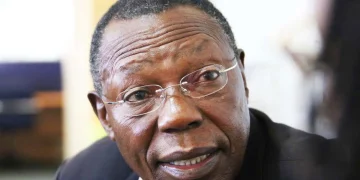
Hudeidi occupies a special place in Somali cultural history as one of the most influential musicians the country has ever produced. Revered as “Boqorkii Cuudka” or “King of the Oud,” he dedicated more than seven decades to preserving, performing, and advancing Somali music. Through his mastery of the oud, songwriting talent, and commitment to cultural heritage, Hudeidi became a living symbol of Somali artistic excellence.
His life journey took him from Berbera to Yemen, Djibouti, Somalia, and eventually the United Kingdom, where he continued sharing Somali music with new generations until shortly before his death in 2020.
Who Was Hudeidi?
Hudeidi, whose full name was Ahmed Ismail Hussein Hudeidi, was a Somali musician, composer, singer-songwriter, and oud player.
Born on April 15, 1928, in Berbera, then part of British Somaliland, he became one of the most respected figures in Somali music history.
Throughout his career, he was known for:
- Masterful oud performances
- Song composition
- Cultural preservation
- Musical mentorship
- Traditional Somali music
His influence extended far beyond Somalia and Somaliland, reaching Somali communities across the world.
Early Life in Berbera
Hudeidi was born in the coastal city of Berbera.
Family Background
He belonged to the Warsangeli clan family and spent much of his childhood between Somaliland and Yemen.
His father worked as a police sergeant, which led the family to relocate to Aden in Yemen during his early years.
This move would ultimately shape the direction of his musical career.
Discovering the Oud
One of the defining moments in Hudeidi’s life occurred during childhood.
A Life-Changing Experience
While attending a social gathering in Aden with his father, he witnessed an Arab musician playing the oud.
The sound of the instrument immediately captivated him.
From that moment, he became determined to learn how to play it.
What Is the Oud?
The oud is a pear-shaped string instrument widely used throughout the Middle East, North Africa, and parts of the Horn of Africa.
It is often considered one of the ancestors of the modern guitar.
In Somali music, the oud became an essential instrument for accompanying singers and composers.
Learning from a Legend
Hudeidi’s musical journey received a major boost through the guidance of one of Somalia’s most important musicians.
Mentorship by Abdullahi Qarshe
He learned the fundamentals of the oud from Abdullahi Qarshe, often regarded as one of the fathers of modern Somali music.
Recognizing Hudeidi’s talent, Qarshe encouraged his father to support his musical education.
Early Development
Under this mentorship, Hudeidi developed the technical skills and musical understanding that would later define his career.
This foundation helped him become one of the finest oud players in Somali history.
Building a Music Career
During the 1950s and 1960s, Hudeidi became increasingly active as a performer.
Performing Across the Horn of Africa
He lived and worked in:
- Yemen
- Somalia
- Djibouti
These locations exposed him to different musical traditions and expanded his artistic perspective.
Developing a Reputation
As his skills improved, he gained recognition among audiences and fellow musicians.
His ability to blend traditional Somali melodies with oud accompaniment distinguished him from many contemporaries.
Music and Political Expression
Like many artists of his generation, Hudeidi occasionally used music as a platform for social and political commentary.
Songs with Messages
Historical accounts suggest that some of his songs challenged political authorities and addressed social issues.
Such performances occasionally attracted criticism and controversy.
The Role of Music in Somali Society
In Somali culture, musicians have traditionally served not only as entertainers but also as commentators on public life.
Hudeidi embraced this tradition throughout his career.
Why He Was Called the King of the Oud
The title “Boqorkii Cuudka” translates to “King of the Oud.”
Exceptional Skill
This title reflected:
- Technical mastery
- Longevity
- Artistic influence
- Contribution to Somali music
Few musicians achieved the same level of respect among both audiences and fellow performers.
Preserving a Musical Tradition
At a time when modern instruments were becoming more common, Hudeidi remained dedicated to the oud and helped preserve its place within Somali music.
Moving to the United Kingdom
A major turning point in his life occurred in 1973 when he relocated to the United Kingdom.
Serving the Somali Diaspora
The move coincided with the growth of Somali communities in Britain.
Hudeidi became an important cultural figure among these communities.
Continuing His Music
He performed at:
- Weddings
- Cultural events
- Community celebrations
- Private gatherings
These performances helped maintain cultural connections among Somalis living abroad.
Teaching Future Generations
Hudeidi was not only a performer but also a teacher.
Sharing Knowledge
He dedicated significant time to teaching younger musicians how to play the oud.
His mentorship ensured that traditional Somali musical techniques continued to be passed down.
Cultural Preservation
Through teaching, he helped preserve a valuable aspect of Somali heritage that might otherwise have been lost.
Influence on Somali Music
Hudeidi’s influence can still be felt throughout Somali music today.
Impact on Musicians
Many artists credit traditional oud players like Hudeidi for shaping Somali musical identity.
Bridging Generations
His work connected older musical traditions with contemporary performers.
This role made him a cultural bridge between generations.
Retirement and Final Performance
Even in his later years, Hudeidi remained active in music.
Final Concert
In February 2020, he gave his final public performance at the Kayd Somali Arts and Culture Centre.
The concert marked the conclusion of a remarkable musical career spanning more than seventy years.
A Lifetime of Dedication
Few musicians remain active for as long or contribute as consistently to their cultural heritage.
Death During the COVID-19 Pandemic
Hudeidi passed away on April 8, 2020, in London.
Cause of Death
He died from complications related to COVID-19, just days before his 92nd birthday.
Community Response
His death was widely mourned by:
- Somali musicians
- Cultural organizations
- Community leaders
- Fans worldwide
Tributes highlighted his role in preserving Somali music and inspiring future generations.
Legacy
Today, Hudeidi is remembered as one of the greatest musicians in Somali history.
Lasting Contributions
His legacy includes:
- Popularizing the oud in Somali music
- Preserving traditional musical forms
- Mentoring young artists
- Strengthening Somali cultural identity
- Connecting diaspora communities to their heritage
An Enduring Influence
His recordings, compositions, and teachings continue to inspire musicians throughout the Somali-speaking world.
Key Takeaways
- Hudeidi was born in Berbera in 1928.
- He became known as the King of the Oud.
- He learned music under Abdullahi Qarshe.
- He performed across Somalia, Yemen, and Djibouti.
- He moved to the United Kingdom in 1973.
- He spent decades teaching and mentoring musicians.
- His final performance took place in February 2020.
- He died in London on April 8, 2020.
Frequently Asked Questions
Who was Hudeidi?
Hudeidi was a Somali musician, composer, singer-songwriter, and master oud player widely regarded as one of the greatest figures in Somali music.
What was Hudeidi’s real name?
His full name was Ahmed Ismail Hussein Hudeidi.
Why was he called the King of the Oud?
He earned the title because of his exceptional skill, influence, and lifelong dedication to the oud.
What is the oud?
The oud is a traditional stringed instrument used throughout the Middle East, North Africa, and the Horn of Africa.
Where was Hudeidi born?
He was born in Berbera, British Somaliland, in 1928.
Did Hudeidi live outside Somalia?
Yes. He lived in Yemen, Djibouti, and later settled in the United Kingdom.
When did Hudeidi die?
He passed away on April 8, 2020, in London.
Conclusion
Hudeidi’s life represents a remarkable chapter in the history of Somali music. Through his mastery of the oud, commitment to cultural preservation, and dedication to teaching future generations, he became one of the most respected musicians in Somali history. His influence continues to resonate across Somalia, Somaliland, and diaspora communities worldwide, ensuring that the legacy of the King of the Oud remains alive for generations to come.
Read Also: Shay Mire Dacar Biography and Legacy in Somali Music