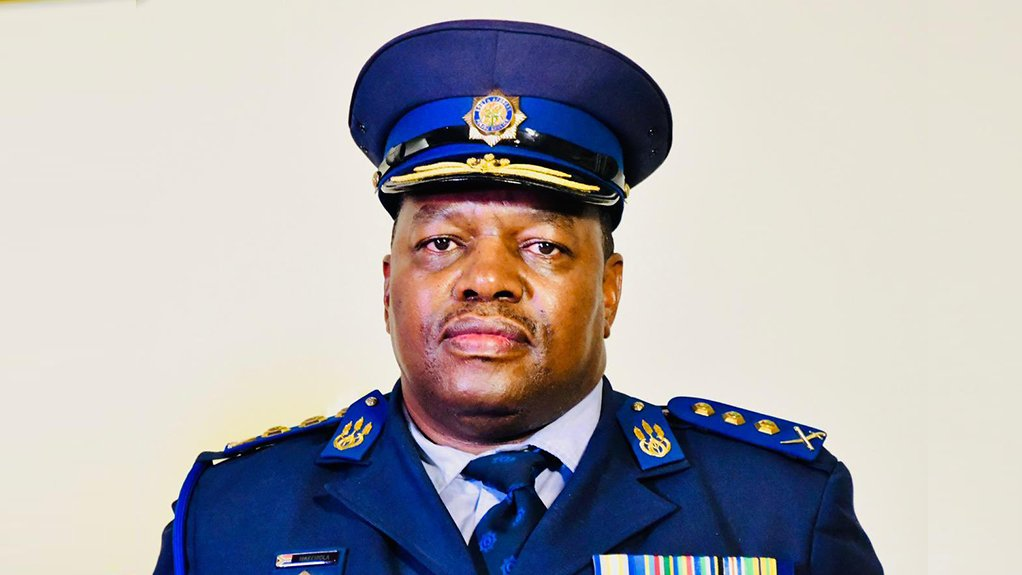
The Fannie Masemola Biography reflects one of the most consequential and controversial careers in modern South African policing. Over nearly four decades, Sehlahle Fannie Masemola rose steadily through the ranks of the South African Police Service to eventually become National Commissioner, the highest policing office in the country.
Sehlahle Fannie Masemola (born 1964) is a South African police officer who served as the National Commissioner of the South African Police Service from 2022 until his suspension in April 2026.
For years, Masemola built a reputation as an experienced operational commander with extensive expertise in national security, crime prevention and protection services. His long service inside South Africa’s complex law enforcement system positioned him among the country’s most influential security figures.
However, the Fannie Masemola Biography entered a dramatically different chapter after corruption allegations and criminal charges linked to a controversial healthcare procurement contract triggered one of the most serious crises in recent SAPS leadership history.
Once viewed by some observers as a reform-minded policing professional, Masemola now finds his legacy overshadowed by legal proceedings, political pressure and questions surrounding accountability inside South Africa’s criminal justice institutions.
Today, his biography stands at the center of broader national conversations about governance, institutional integrity and corruption within South African law enforcement.
On April 23, 2026, President Cyril Ramaphosa placed Masemola on precautionary suspension, making him the fourth permanent head of the South African Police Service to be removed or suspended before completing a term in office.[22] Lieutenant-General Puleng Dimpane, currently the CFO for the SAPS, was appointed as acting national police commissioner.[21]
In his address, Ramaphosa stated: “In consideration of the seriousness of these charges and the critical role that the national commissioner of police plays in leading the fight against crime, I have agreed with Gen Masemola that he be on precautionary suspension pending the conclusion of the case.”
Read Also: Bob Mortimer – English Comedian, Actor, and Writer
Early Life and Family Background in the Fannie Masemola Biography
Sehlahle Fannie Masemola was born in 1964 in Groblersdal, a town located in South Africa’s Limpopo province.
The Fannie Masemola Biography is deeply connected to policing traditions from an early age.
Reports suggest he grew up in a household strongly influenced by law enforcement culture and public service. This environment reportedly shaped his early fascination with discipline, security and governance.
Unlike some public officials who discover policing later in life, Masemola’s exposure to law enforcement reportedly began during childhood through family influence and community experiences.
Growing up in Limpopo also exposed him to the realities of social inequality, crime and governance challenges within South Africa during a politically turbulent historical period.
These experiences later influenced both his leadership philosophy and operational approach inside SAPS.
Education and Professional Development
The Fannie Masemola Biography combines practical law enforcement experience with formal academic training.
Masemola earned both a Diploma and Higher Diploma in Policing, qualifications that strengthened his professional credentials inside SAPS.
He later expanded his academic profile further by completing a Master’s degree in Public Management.
This combination of policing expertise and administrative education positioned him among a relatively small group of senior officers capable of navigating both operational security and institutional governance responsibilities.
The Fannie Masemola Biography therefore reflects a career built not only on field experience but also on management and public administration training.
His educational background later became important as he transitioned into senior national leadership roles involving budgeting, procurement, institutional oversight and operational coordination.
Read Also: Nadia Owusu – Ghanaian-American Writer and Urban Planner
Joining SAPS and Early Career Progression
Masemola officially joined the South African Police Service in 1987.
The Fannie Masemola Biography during these early years reflected gradual institutional advancement rather than rapid political promotion.
His rise through SAPS ranks came through operational assignments and administrative leadership responsibilities accumulated over decades.
One of the most formative periods of his career occurred in KwaZulu-Natal, one of South Africa’s most difficult policing environments.
There, he served as Deputy Provincial Commissioner during periods marked by violent crime, political instability and security challenges.
The assignment strengthened his reputation as an operationally disciplined officer capable of managing high-pressure environments.
Observers frequently described him as methodical, organized and deeply knowledgeable about policing structures.
Transition Into National Security Leadership
The Fannie Masemola Biography entered a major new phase in 2010.
That year, he relocated to Pretoria and assumed leadership of Protection and Security Services within SAPS.
The role significantly elevated his national profile because it involved safeguarding senior political leaders and coordinating high-level security operations.
Around the same period, Masemola received promotion to Lieutenant General.
His responsibilities expanded beyond provincial operations into broader national security coordination.
Over time, he became heavily involved in protecting state institutions and overseeing major national events.
The Fannie Masemola Biography also became associated with election security operations.
Reports indicate he played important roles in coordinating security for South Africa’s democratic elections since 1994.
These assignments strengthened his image as a trusted institutional insider with extensive operational knowledge.
Read Also: Bob Mortimer – English Comedian, Actor, and Writer
Appointment as National Commissioner of SAPS
The defining milestone in the Fannie Masemola Biography arrived in March 2022.
President Cyril Ramaphosa appointed him National Commissioner of the South African Police Service.
The appointment placed Masemola at the helm of one of Africa’s most complex policing institutions during a period of rising crime concerns, public distrust and corruption allegations inside law enforcement structures.
Initially, many analysts viewed the appointment positively.
Supporters described Masemola as a career policing professional with operational experience rather than a politically driven outsider.
Some observers hoped his leadership would strengthen institutional discipline and operational effectiveness within SAPS.
The Fannie Masemola Biography therefore initially reflected cautious optimism regarding institutional reform.
Leadership Challenges Inside SAPS
As National Commissioner, Masemola inherited major structural challenges.
These included:
- Rising violent crime
- Public distrust of police
- Organized crime networks
- Internal corruption allegations
- Resource constraints
- Political pressure
- Institutional instability
The Fannie Masemola Biography during this period became closely tied to South Africa’s broader policing crisis.
Masemola frequently emphasized operational deployment, discipline and crime-fighting initiatives in public statements.
However, criticism surrounding SAPS performance continued intensifying as crime rates and institutional controversies remained persistent national concerns.
Read Also: Nadia Owusu – Ghanaian-American Writer and Urban Planner
Corruption Allegations and the Medicare24 Contract
The most controversial chapter in the Fannie Masemola Biography emerged through corruption allegations linked to a healthcare procurement contract.
The case centered around a R360 million agreement involving Medicare24, a company reportedly associated with businessman Vusimuzi “Cat” Matlala.
Prosecutors alleged that Masemola failed in his responsibilities as accounting officer under South Africa’s Public Finance Management Act.
Authorities formally charged him with four counts connected to financial oversight failures.
The allegations triggered a political and institutional crisis because they involved the country’s top police official.
The Fannie Masemola Biography became increasingly associated with corruption investigations rather than policing reform.
Masemola consistently denied wrongdoing and publicly maintained that he was “not guilty.”
He repeatedly stated that legal processes should proceed fairly and transparently.
Additional Allegations and Public Scrutiny
Beyond the Medicare24 contract controversy, additional allegations emerged involving:
- Secret service funds
- Property acquisitions
- Financial irregularities
- Alleged links to broader corruption networks
These claims intensified public scrutiny surrounding his leadership.
At the same time, some supporters argued that SAPS operated within deeply entrenched systemic challenges extending far beyond any single individual.
The Fannie Masemola Biography therefore became intertwined with broader national debates regarding corruption inside South African institutions.
Critics viewed the allegations as evidence of severe governance failures.
Others argued the accusations reflected deeper structural problems affecting multiple state institutions.
Suspension by President Cyril Ramaphosa
A major turning point in the Fannie Masemola Biography occurred in April 2026.
Following his court appearance, President Cyril Ramaphosa placed Masemola on precautionary suspension.
The decision reflected mounting pressure on government authorities to demonstrate accountability within SAPS leadership.
The suspension also highlighted broader instability inside South African policing structures, with several senior officials simultaneously facing investigations or disciplinary scrutiny.
The Fannie Masemola Biography now entered one of the most uncertain periods of his life and career.
Legal proceedings continued while political debate surrounding police reform intensified nationally.
Personal Life and Family
Despite his senior public role, Masemola maintained a relatively private personal life.
Reports indicate he is married, though little publicly verified information exists regarding his wife or children.
The Fannie Masemola Biography consistently reflects strong separation between public service and private family life.
Unlike many political figures, Masemola rarely placed family matters at the center of media visibility.
His identity remained strongly connected to institutional leadership and policing rather than celebrity culture.
Read Also: Victoria Wood – English Comedian, Actress, and Writer
Net Worth and Financial Standing
Estimates place Masemola’s net worth between approximately $300,000 and $500,000.
Most of his income derived from decades of public service within SAPS and senior executive compensation associated with the National Commissioner role.
The Fannie Masemola Biography does not reflect extravagant public displays of wealth often associated with politically connected elites.
However, corruption allegations connected to procurement processes and property acquisitions raised questions regarding aspects of his financial standing.
Those matters remain tied to ongoing legal investigations.
Leadership Style and Professional Reputation
Before the corruption allegations intensified, many colleagues described Masemola as:
- Methodical
- Disciplined
- Operationally experienced
- Institutionally knowledgeable
- Calm under pressure
The Fannie Masemola Biography includes extensive involvement in national security coordination and protection operations.
His supporters frequently emphasized his long institutional memory, which stretched across both apartheid-era policing structures and democratic South Africa’s reform era.
That experience made him one of the country’s most senior operational policing figures.
Institutional Legacy and Public Debate
The Fannie Masemola Biography now raises difficult questions regarding leadership, accountability and institutional reform inside SAPS.
Some observers argue his tenure reflected sincere efforts to stabilize policing systems during a period of severe institutional pressure.
Critics counter that the allegations against him symbolize broader failures within South African law enforcement governance.
Regardless of legal outcomes, his biography has already become deeply connected to debates involving:
- Police corruption
- Governance reform
- Procurement oversight
- Institutional accountability
- Political influence in policing
Why the Fannie Masemola Biography Matters
The Fannie Masemola Biography matters because it reflects broader struggles inside South Africa’s criminal justice and governance systems.
His rise from Limpopo policing roots to National Commissioner demonstrates decades of institutional advancement and operational leadership.
At the same time, the allegations now surrounding him highlight persistent national concerns about corruption and institutional integrity.
His story illustrates the immense pressure facing senior law enforcement leaders operating within politically charged and resource-constrained environments.
Read Also: Giannis Antetokounmpo – Greek Professional Basketball Player
A Legacy Still Unresolved
Unlike historical biographies shaped by completed careers, the Fannie Masemola Biography remains unfinished.
Ongoing legal proceedings will heavily influence how history ultimately judges his leadership.
If cleared, supporters may continue viewing him as a veteran officer caught within broader institutional conflicts.
If convicted, his career may become remembered primarily through corruption allegations rather than policing achievements.
For now, his legacy remains suspended between decades of public service and unresolved accusations.
Conclusion
The Fannie Masemola Biography tells the story of a veteran South African police officer whose nearly four-decade career brought him to the highest levels of national law enforcement leadership.
From his upbringing in Limpopo and early policing years in KwaZulu-Natal to his appointment as National Commissioner of the South African Police Service, Masemola built a reputation grounded in operational experience and institutional discipline.
However, corruption allegations, criminal charges and suspension by President Cyril Ramaphosa dramatically transformed public perceptions of his leadership.
Today, his biography stands as both a story of institutional ascent and a cautionary reflection on accountability, governance and the immense pressures surrounding modern policing leadership in South Africa.
Read Also: DJ Switch – Nigerian Disc Jockey, Musician, and Activist