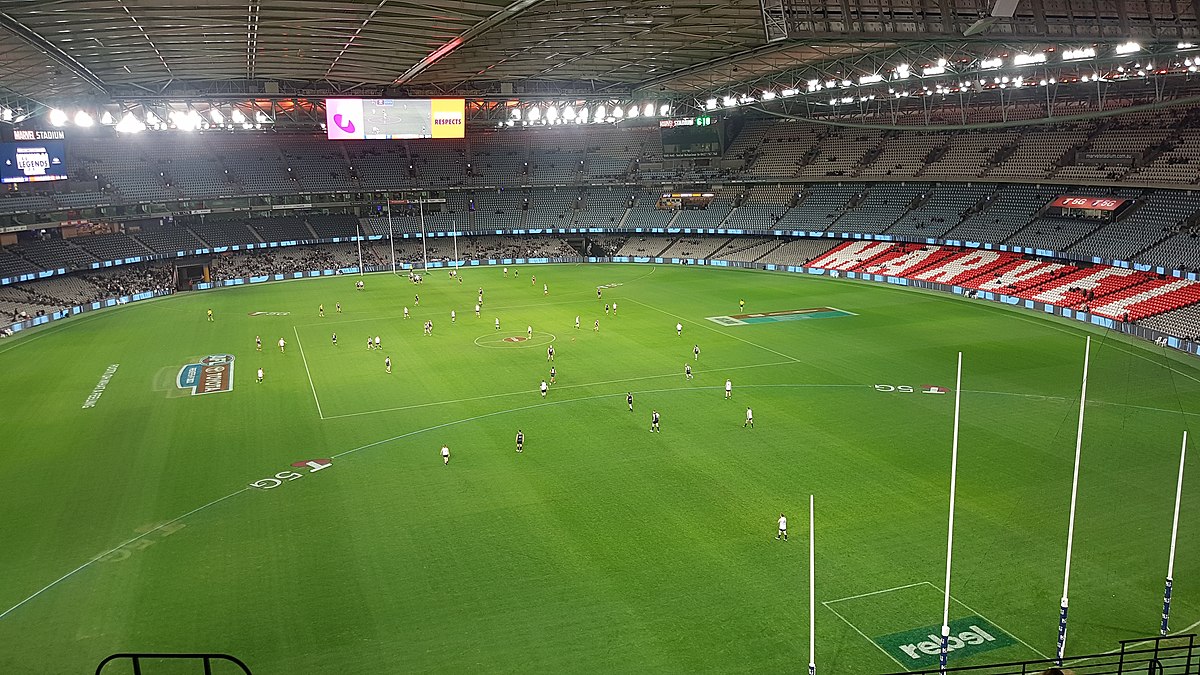
Marvel Stadium, located in Melbourne, Australia, is a major venue for sports and entertainment, hosting various events throughout the year. Known for its dynamic atmosphere and impressive architecture, the stadium has undergone several transformations since its opening in 2000.
A History of Evolution: From Colonial Stadium to Marvel Stadium
Marvel Stadium was originally known as Colonial Stadium when it first opened its doors in 2000. Over time, the venue’s identity evolved, with multiple name changes reflecting its changing branding and corporate sponsorships. From Telstra Dome to Etihad Stadium, and finally to its current name, Marvel Stadium, the venue has grown into one of Melbourne’s most iconic landmarks.
The venue’s name changes track its evolution from a simple sports venue to a world-class arena known for its state-of-the-art features and versatility in hosting large-scale events.
- Name Timeline:
- Colonial Stadium (2000–2002)
- Telstra Dome (2002–2009)
- Etihad Stadium (2009–2018)
- Marvel Stadium (2018–present)
Marvel Stadium’s Impressive Features
Marvel Stadium is designed to cater to a variety of events. With a seating capacity of 56,347, including 1,649 VIP seats, the stadium is one of the largest in Australia. This capacity allows it to host large-scale sporting events, including Australian Rules Football (AFL) and major concerts.
The stadium is located at 740 Bourke St, Docklands, Melbourne, VIC 3008, Australia, and serves as the home venue for Melbourne Victory, a key Australian football club. In addition to AFL matches, Marvel Stadium hosts concerts, entertainment shows, and international events, making it one of the most versatile venues in Melbourne.
- Capacity: 56,347 (including 1,649 VIP seats)
- Inauguration: March 9, 2000
- Location: 740 Bourke St, Docklands, Melbourne, VIC 3008, Australia
The Stadium’s Design and Construction
The design of Marvel Stadium reflects modern engineering principles, ensuring that the venue meets the needs of both fans and athletes. The design was a collaboration between Daryl Jackson, Bligh Lobb, and Populous, with construction managed by Lend Lease Infrastructure. The project, which was completed in March 2000, came at a cost of A$ 460 million.
The stadium’s design focuses on maximizing the viewing experience for fans, while also providing high-quality amenities and facilities. Its innovative structure is a testament to Melbourne’s dedication to maintaining top-tier sports infrastructure.
- Design Firms: Daryl Jackson, Bligh Lobb, Populous
- Contractor: Lend Lease Infrastructure
- Construction Period: October 1997 – March 2000
A Hub for Melbourne’s Sporting Culture
Marvel Stadium plays a crucial role in Melbourne’s sports culture, serving as the home venue for Melbourne Victory, a key Australian football club. The stadium is not only used for AFL matches but also hosts international events, concerts, and entertainment shows, making it a versatile location for various industries.
As one of Melbourne’s premier sports and entertainment venues, Marvel Stadium continues to evolve, adapting to the changing needs of its audiences and providing a space where world-class events take place regularly.
Conclusion
Marvel Stadium has evolved from a simple sports venue to a cultural landmark in Melbourne. Its combination of innovative design, large capacity, and multi-use functionality has made it a central part of the city’s sporting and entertainment landscape. Whether it’s hosting thrilling AFL matches or world-renowned concerts, Marvel Stadium remains a dynamic and essential venue in Melbourne.