Israel Intercepts Missiles fired from Iran after its air defense systems engaged incoming ballistic threats over the southern city of Eilat, officials and media reported. The Israeli Home Front Command said the missile barrage has ended and that residents previously advised to shelter can now leave protected areas.
The incident is the latest in a series of aerial exchanges tied to the expanding conflict between Iran, Israel, and allied forces. It highlights both Israel’s defensive capabilities and how the battlefield has widened to include targets deep inside its territory.
Israel Intercepts Missiles Near Eilat
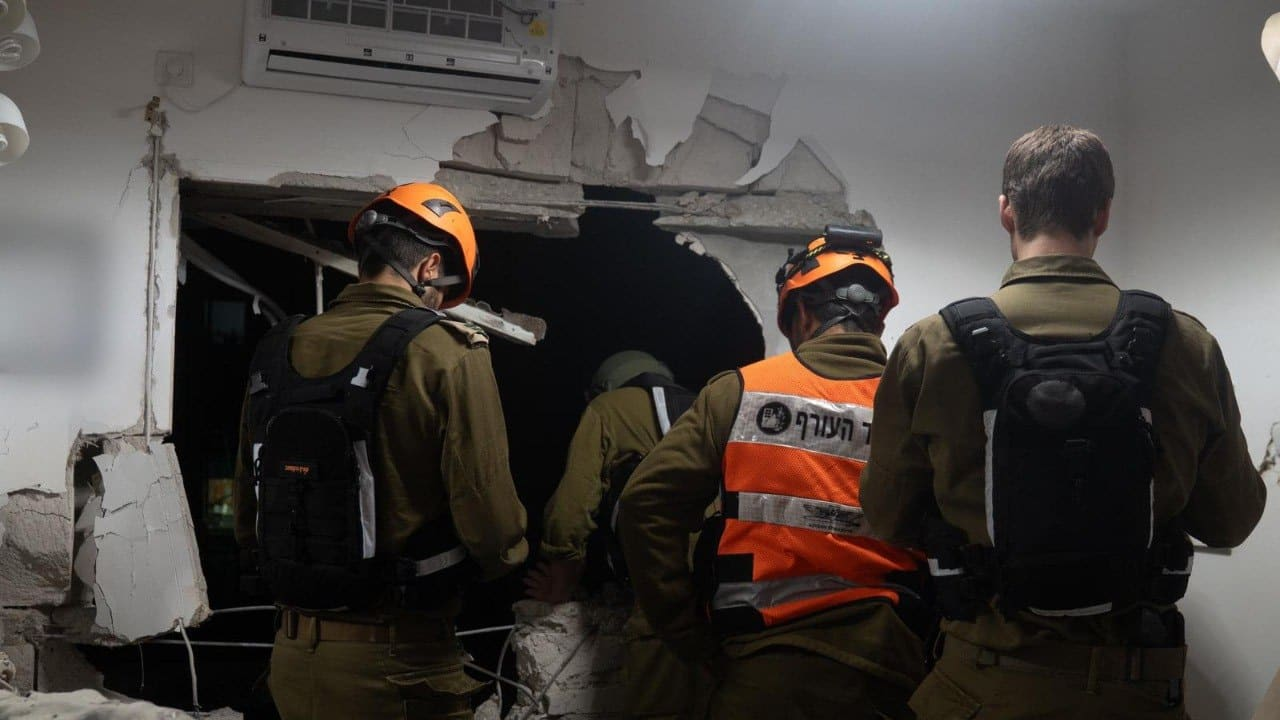
Multiple Iranian missiles were detected and intercepted over Eilat, according to local media and military sources. Wearable sirens sounded across southern Israel as defensive systems engaged the threat, while report crews and medics responded to impact and debris sites in the resort city.
Although most incoming missiles were intercepted, shrapnel and fragments fell in populated areas. Medical responders treated several people wounded by debris, including a 12-year-old boy and other civilians.
The Israeli Home Front Command confirmed that the alert situation has now ended for civilians who were instructed to take shelter. Air defense networks, including systems such as Iron Dome and Arrow interceptors, continue to monitor trajectories and engage threats as needed.
Conflict’s Reach Continues to Expand
Iran’s ballistic missile and drone capabilities have been central to its strategy in the ongoing war. Since the conflict between Tehran and the US-Israel alliance escalated at the end of February, airspace across the region has become increasingly contested.
Earlier waves of attacks included multiple salvos targeting central and northern Israel, with sirens and intercepts reported across a wide swath of the country. Some of these missiles carried submunitions or cluster warheads, complicating defense efforts and increasing the risk to civilians.
Meanwhile, allied and partner air defense systems across the Gulf, including in Saudi Arabia, the UAE, and Bahrain, have reported their own interceptions of Iranian missiles and drones in recent days.
Civilian and Economic Impact
The extension of missile fire toward populated cities such as Eilat marks a worrying development with broader implications. Touristic zones and economic centers now face direct risk from overshooting debris and psychological stress on residents and visitors.
For global energy markets, continued escalation in the region tends to feed volatility into oil prices, as traders weigh risks to shipping lanes and supply stability. African economies with high fuel import costs may feel secondary impacts if volatility persists.
Defense Capabilities Under Test
Israel’s multi-layered air defense architecture remains its primary shield. Systems like Iron Dome, David’s Sling, and Arrow interceptors have repeatedly engaged incoming threats during this phase of the conflict, often achieving high interception rates.
But sophisticated offensive technologies, including long-range missiles and drones, continue to challenge defensive networks, requiring constant coordination and rapid response.
Why This Matters
Israel Intercepts Missiles underscores how the conflict between Tehran and Washington’s regional partners has broadened from proxy and limited engagements to direct missile exchanges over sovereign airspace.
Civilians caught in these events face heightened risks, and international diplomatic efforts will likely intensify as governments seek to avert further escalation.
What Happens Next
Israeli officials are expected to maintain heightened alert and readiness while evaluating intelligence on future missile activity. Foreign governments are likely to issue updated travel and security advisories.
If Iran launches further salvos, both defensive responses and potential offensive counter-measures could shape the next phase of the conflict.