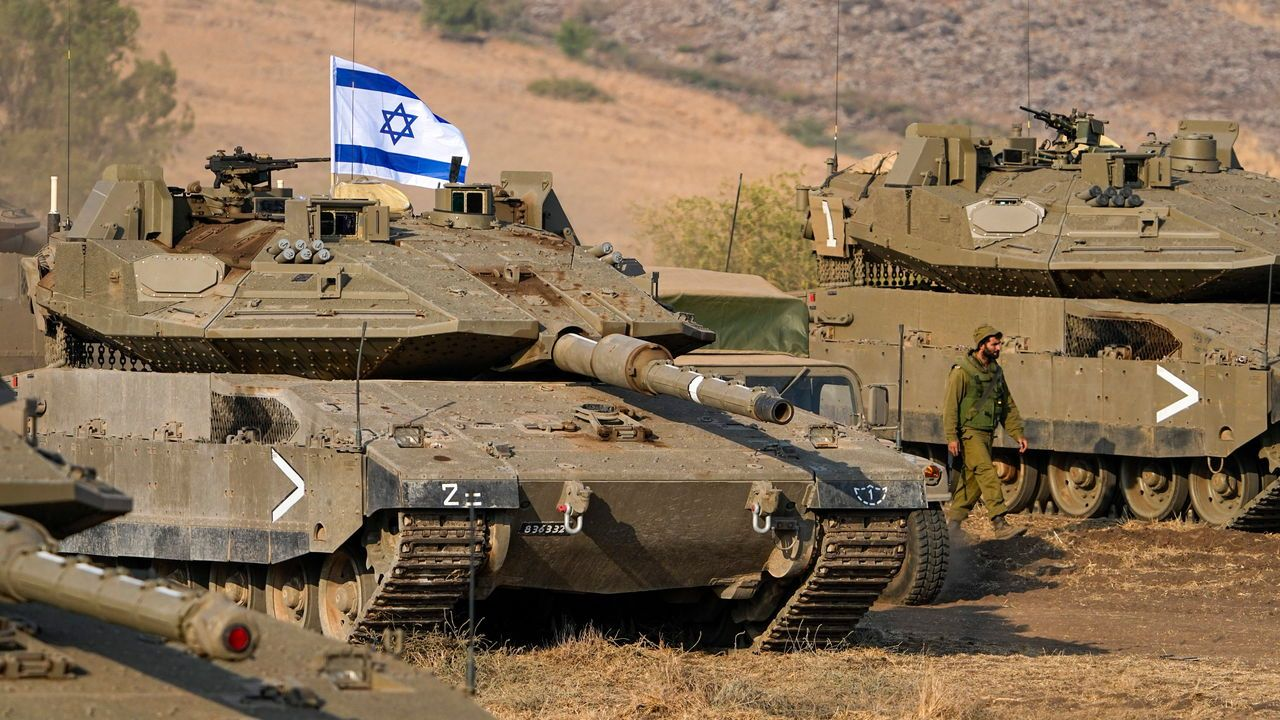
Israel Defence Spending has surged again after the government approved $710 million in emergency classified allocations, underscoring the financial and operational pressure of fighting on multiple fronts.
Officials framed the move as urgent replenishment of “critical combat infantry and advanced combat means.” However, the speed of approval and the decision to fund it through cuts to public services and debt payments point to deeper strain beneath Israel’s confident public messaging.
Israel Defence Spending Rises as Conflict Expands
The emergency package was approved through a rapid phone poll of ministers, effectively bypassing standard cabinet procedure. That unusual step signals urgency at the highest levels.
Although the government has not detailed the procurement list, analysts suspect air defence interceptors may feature prominently. Israel’s layered missile defence systems, including Iron Dome and Arrow, have reportedly been operating at elevated intensity.
Sustained missile and drone exchanges require continuous replenishment. Interceptors are costly, and large-scale deployments accelerate stock depletion.
Therefore, Israel Defence Spending increases likely reflect operational realities rather than symbolic budgeting.
Fiscal Trade-Offs Raise Domestic Questions
The government is financing the $710 million package by trimming government services and reducing debt payments. That choice suggests limited fiscal flexibility.
Israel’s economy has shown resilience during conflict. However, prolonged military operations impose structural costs. Defense outlays rise while tax revenues may soften due to reduced business activity.
When the Knesset debates ratification in the coming weeks, lawmakers may question the sustainability of emergency allocations.
Two Fronts, Compounding Costs
Israel continues operations in Gaza while also managing aerial and strategic tension involving Iran and its regional allies. Fighting on two fronts multiplies logistical demands.
Historically, Israel has faced multi-front conflicts, notably during the 1973 Yom Kippur War. Yet modern warfare involves more expensive technologies, from missile interceptors to advanced surveillance systems.
Consequently, today’s financial burden differs significantly from past conflicts.
Strategic Messaging Versus Operational Reality
Public statements from Israeli officials emphasize control and preparedness. However, rapid budget approvals and classified procurement hint at underlying stress.
Defense systems require constant resupply. Moreover, troop rotations, reserve mobilizations, and equipment maintenance add layers of expenditure.
International partners, particularly the United States, continue to play a key role in defense cooperation. Yet reliance on external supply chains can create timing vulnerabilities.
Regional and Economic Implications
Israel Defence Spending levels influence regional dynamics. Elevated budgets often signal expectations of prolonged confrontation.
Energy markets and investor sentiment react quickly to signs of extended conflict in the Middle East. African economies with trade or energy exposure to the region monitor such fiscal shifts closely.
Additionally, sovereign credit agencies may track sustained emergency spending when assessing long-term fiscal outlook.
Why This Matters
Israel Defence Spending decisions reflect more than battlefield needs. They reveal how sustained multi-front operations strain financial systems and political consensus.
If emergency allocations become routine, fiscal discipline may erode. Conversely, failure to replenish defenses could increase security risks.
What Happens Next
The Knesset is expected to review and ratify the emergency allocation within two weeks. Debate may focus on transparency and funding trade-offs.
Meanwhile, military operations continue across multiple fronts. As long as hostilities persist, defense budgets will likely remain elevated.