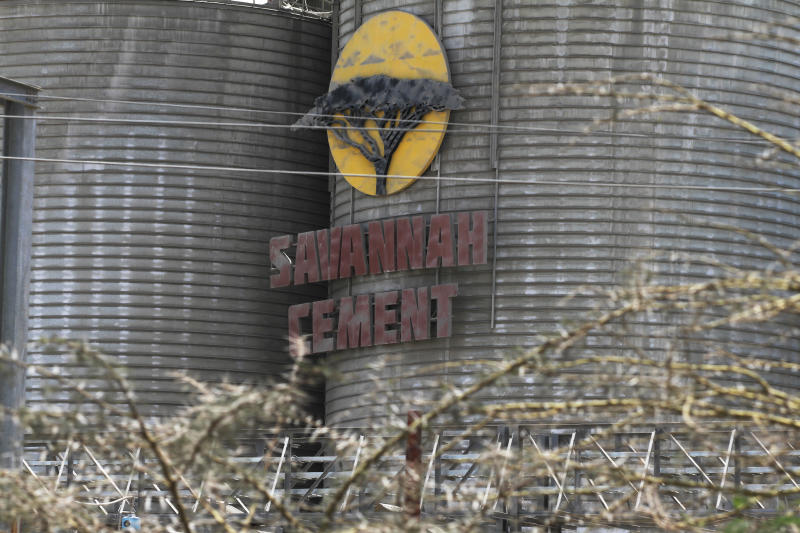
Savannah Cement has returned to Kenya’s building materials market after a takeover by a consortium of local investors, reopening a familiar brand in the country’s competitive cement industry.
The company, which had faced financial and legal challenges in recent years, has been acquired by investors linked to Mombasa Maize Millers, Kitui Flour Mills and Eldoret Grains Limited. The transaction gives the cement maker a new ownership structure and a possible path back to production after a difficult period.
The acquisition was completed after court battles and a settlement involving loans from KCB and DTB, according to the source material. The full terms of the settlement were not provided.
Savannah Cement was bought for KES 3.8 billion. The takeover now sets up a fresh phase for the company, whose Kitengela factory is expected to resume production.
Savannah Cement Returns Under New Ownership
The return of Savannah Cement marks one of the more notable recent developments in Kenya’s cement sector.
The company had previously built a market presence on affordability and product quality, according to construction industry players cited in the source material. Before its troubles, it held a meaningful position in the market and was familiar to builders and contractors.
Its new owners are coming from outside the cement sector. Mombasa Maize Millers, Kitui Flour Mills and Eldoret Grains Limited are associated with grain and flour milling, making the move a diversification into building materials.
That shift points to broader investor interest in Kenya’s construction supply chain. Cement remains a core input for housing, infrastructure and commercial development, giving the sector long-term strategic value even during periods of economic pressure.
The source does not disclose how ownership is divided among the acquiring parties or whether the consortium plans major capital investment beyond restarting operations.
Kitengela Plant Expected to Resume Production
The new owners are expected to restart production at the company’s Kitengela factory.
Trailers have already been seen lining up at the plant, an early sign that operations may be resuming. The source material does not specify whether full production has restarted or whether the current activity is part of a phased reopening.
The Kitengela facility is central to Savannah Cement’s return. If the plant resumes consistent output, the company could quickly re-enter supply chains serving contractors, hardware stores and construction projects.
However, restarting production after a period of distress can involve more than switching equipment back on. The company may need to rebuild supplier relationships, restore customer confidence, secure working capital and stabilize distribution.
Those details remain unclear from the provided information.
Takeover Follows Financial Difficulties
Savannah Cement’s return follows a period of financial strain under previous ownership.
The source material says the deal was finalized after court disputes and a settlement involving loans from KCB and DTB. It does not provide the size of those loans, the nature of the litigation or the exact obligations settled through the transaction.
What is clear is that the acquisition closes one chapter for the company and opens another. The new investors are taking over a known industrial asset in a market where demand remains tied to construction activity and infrastructure spending.
For lenders, suppliers and customers, the takeover may help reduce uncertainty around the company’s future. For the new owners, the challenge will be turning a distressed asset back into a reliable producer.
Renewed Competition in Kenya’s Cement Market
Industry players expect Savannah Cement’s return to increase competition.
Kenya’s cement market already includes established producers such as Bamburi and East African Portland Cement. Revived companies and new entrants are adding pressure to a sector shaped by pricing, capacity, distribution reach and construction demand.
A returning Savannah Cement could affect market dynamics if it restores meaningful output and competes aggressively on price. The company was previously associated with affordable cement, and that reputation may help it regain customers.
For builders, more active producers can improve supply availability and help stabilize prices. That could benefit contractors working on housing, infrastructure and commercial projects.
However, the source material does not provide current production volumes, pricing plans or market-share targets for the revived company.
Construction Sector Could Benefit From Added Supply
The company’s return comes at a time when cement demand remains supported by infrastructure and housing projects.
Construction experts cited in the source material welcomed the revival, noting the company’s earlier reputation for affordability and quality. If Savannah Cement resumes steady production, it could give buyers another option in a market where input costs matter heavily.
Cement pricing affects a wide range of projects, from large infrastructure works to private residential construction. Even modest changes in supply can influence procurement decisions for builders and distributors.
The reopening may also have local economic effects around Kitengela if factory activity increases. The source does not provide employment numbers, so the potential jobs impact is unclear.
Local Investors Step Into Industrial Manufacturing
The takeover also highlights the role of local capital in Kenya’s manufacturing sector.
The acquiring consortium’s move from flour milling into cement suggests investors are looking beyond their traditional industries for growth. Building materials can offer exposure to long-term demand from urbanization, infrastructure expansion and housing development.
That said, cement production is capital intensive. It requires reliable energy, logistics, raw materials, maintenance and a strong distribution network.
The new owners will need to manage those operating demands while rebuilding Savannah Cement’s commercial position. Their success will depend on execution, not just ownership change.
What to Watch Next
The immediate issue is whether Savannah Cement can restart and maintain production at Kitengela without disruption.
Customers will be watching for pricing, product availability and distribution reach. Competitors will be watching whether the revived company pushes harder on affordability and reclaims market share.
Investors and lenders will also be watching how the new ownership group handles the company’s financial recovery after the KES 3.8 billion acquisition.
For Kenya’s construction industry, Savannah Cement’s return could add useful supply and competition. The larger question is whether the new owners can convert the takeover into a sustained comeback in one of the country’s most contested manufacturing sectors.
Read Also: John Musunga Diageo Africa Move Signals Nairobi Bet