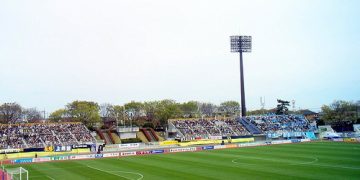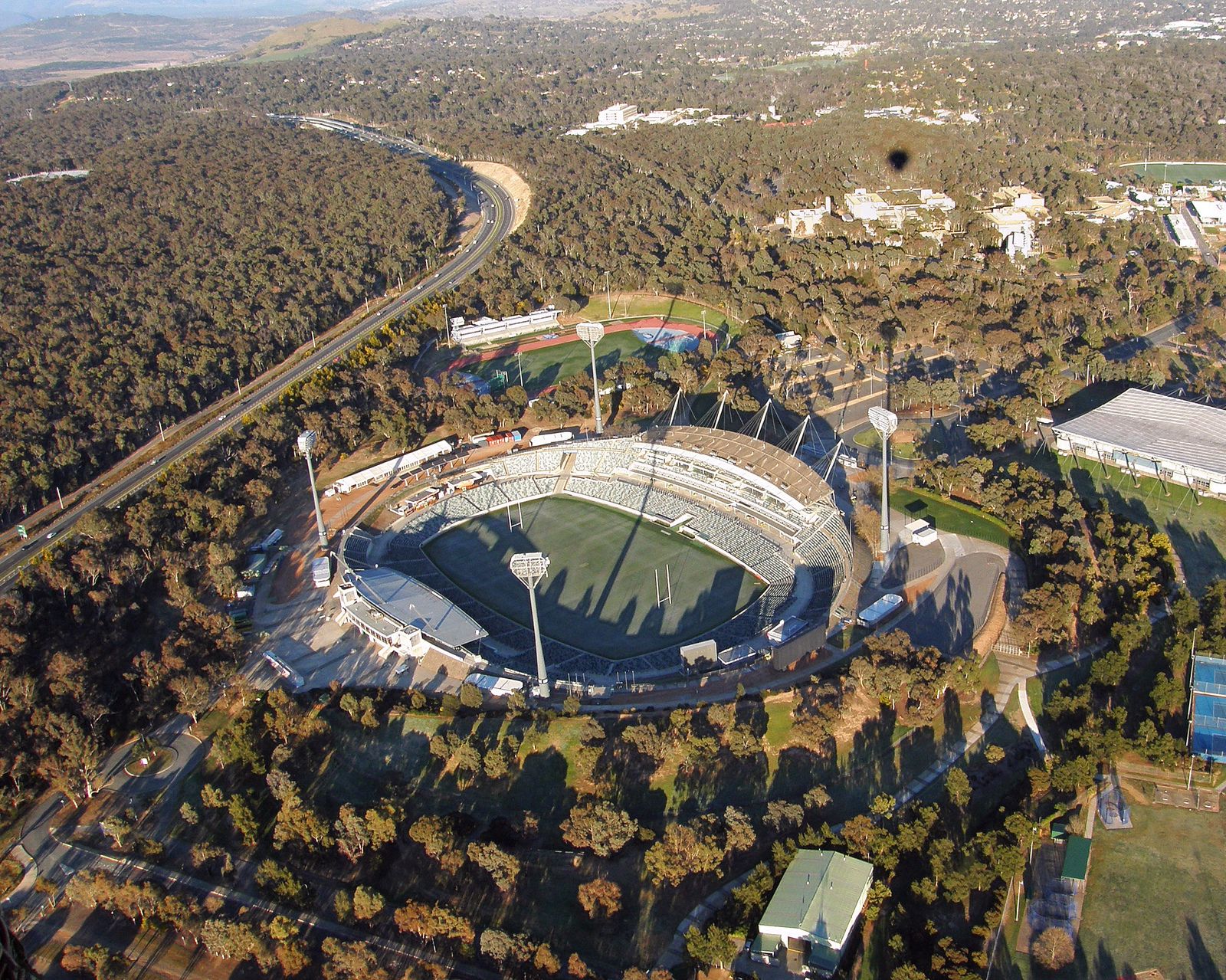
GIO Stadium Canberra, located in the western suburb of Bruce, is a prominent sports venue in Canberra, Australia. Originally known as Bruce Stadium, the stadium has been an integral part of the city’s sporting culture since 1977. Over the years, it has hosted various events, from athletics to football and rugby, and remains a staple for fans and athletes alike. Despite undergoing multiple renovations, the stadium has maintained its legacy as a key site for both national and international sports events.
The History of GIO Stadium Canberra
Opened in 1977, Bruce Stadium was initially designed as an athletics venue, featuring a running track and a large seating capacity. The stadium quickly became a significant venue for major athletic events, including the Pacific Conference Games and the IAAF World Cup in Athletics.
In the late 1980s, the running track was removed to make space for oval-based sports, most notably Australian rules football. While there were attempts to host cricket matches, they were far less frequent, and the stadium became increasingly aligned with Australian football.
In 1997, a significant remodel transformed the stadium into a rectangular field, making it suitable for football and rugby. This change was made in preparation for the 2000 Olympics, where the venue hosted two football matches. The renovation was controversial, as it exceeded its initial budget by seven times, leading to widespread criticism.
Key Events at GIO Stadium Canberra
GIO Stadium has hosted many memorable events over the years, becoming a key venue for both domestic and international sports. Some of the most notable events include:
- Super 12 Final (2004): The record attendance of 28,753 fans marked a major milestone in the stadium’s history.
- Football & Rugby Matches: With its transformation into a rectangular field, GIO Stadium became home to major football and rugby events, including the A-League and Super Rugby matches.
Despite attempts to bring professional football clubs to Canberra, including Canberra City FC and Canberra Cosmos, both clubs dissolved before becoming mainstays. The city also bid to host an A-League franchise in 2009, but the opportunity was lost to other cities.
GIO Stadium’s Significance
While GIO Stadium Canberra has faced several demolition plans, none have materialized. The stadium has evolved, serving as a versatile venue for various sports, such as Australian rules football, rugby, and football. The stadium’s current capacity of 25,011 offers an intimate experience for fans, while its facilities continue to meet modern requirements for national and international sports competitions.
GIO Stadium Canberra’s Role in the Future
As Canberra continues to grow, GIO Stadium is expected to remain a vital part of the city’s sporting culture. Although the stadium has faced the threat of demolition, its consistent use for high-profile sporting events ensures that it will remain a central venue in the Canberra sporting community for years to come.