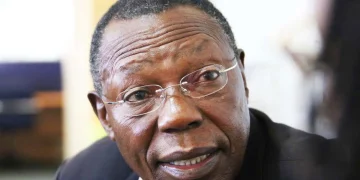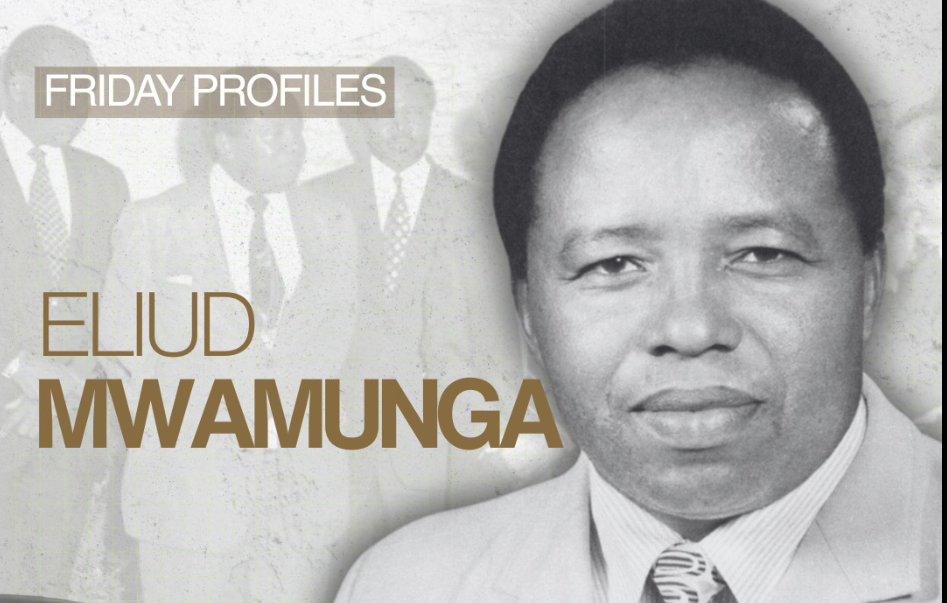
Eliud Timothy Mwamunga built a career that defines the Eliud Mwamunga legacy, navigating Kenya’s political landscape for two decades as a cabinet minister and later contributing to the country’s opposition movement. Born in 1935 in Ishamba in Taita Taveta, he rose from local administration to national leadership during a period of significant political transition.
His early life combined education and public service. After studying at Makerere University and the University of Dar es Salaam, he worked as a teacher before joining local government as a clerk to the Taita Taveta County Council.
Eliud Mwamunga legacy shaped by early public service
The Eliud Mwamunga legacy began to take shape during his work in local administration, where he engaged with land and development issues across Taita Taveta. His experiences informed his later advocacy against land grabbing and in support of local ranchers.
In 1969, he entered Parliament as Member of Parliament for Voi at the age of 34. This marked the start of a continuous parliamentary career that lasted nearly two decades.
Cabinet roles under Kenyatta and Moi
Mwamunga served in cabinet positions under both Jomo Kenyatta and Daniel arap Moi. During his tenure as Minister for Water Development, he oversaw early dam projects aimed at improving water access.
He later served as Minister for Commerce and Industry, where he supported policies aimed at increasing local participation in trade. In addition, he held the Information and Broadcasting portfolio toward the later stages of his cabinet career.
International engagement and diplomacy
The Eliud Mwamunga legacy includes participation in international economic discussions. In 1976, he was involved in hosting the fourth session of the United Nations Conference on Trade and Development, reflecting Kenya’s engagement in global trade dialogue during that period.
This role placed him among key policymakers representing Kenya on the international stage.
Political decline in the 1980s
The 1980s marked a turning point in the Eliud Mwamunga legacy. Political tensions within government, including controversies linked to senior officials, affected his standing.
In January 1988, he was dismissed from his cabinet position. Later that year, he lost his parliamentary seat during the queue-voting elections, ending his long tenure in government.
Role in opposition politics
Rather than withdraw from public life, Mwamunga joined efforts to build opposition politics. In 1992, he worked with Mwai Kibaki to co-found the Democratic Party.
He served as the party’s Coast representative, contributing to the emergence of multiparty democracy in Kenya.
Land advocacy and community impact
A central element of the Eliud Mwamunga legacy was his advocacy for land rights. He is credited with efforts that helped protect large areas of community land in Taita Taveta, reflecting his long-standing focus on local development issues.
These contributions remained significant to his constituents even after his departure from national politics.
Final years and legacy
Mwamunga later retired to private life in Ishamba, focusing on farming and business. He died in 2018 at the age of 83.
His career reflects a combination of public service, political adaptability, and regional advocacy.
Outlook
The Eliud Mwamunga legacy continues to be referenced in Kenya’s political history, particularly in discussions on leadership during the transition from single-party dominance to multiparty democracy.
His trajectory illustrates the challenges and opportunities faced by leaders navigating changing political environments while maintaining ties to their communities.