Dam Construction Companies in the United States play a vital role in water storage, flood control, irrigation, hydropower, municipal supply, drought resilience, environmental management, and public safety. Dams and reservoirs are among the most complex infrastructure assets in the country because they must manage water, geology, concrete, earthworks, structural safety, hydrology, environmental regulation, and long-term risk.
The U.S. dam sector is not only about building new dams. Much of the market involves rehabilitation, spillway upgrades, seismic improvements, levee work, outlet works, reservoir expansion, hydropower modernization, dam safety upgrades, and emergency repair. Kiewit notes that the United States has more than 92,000 reservoirs serving water supply, irrigation, flood control, hydropower, and recreation, and many operate for more than 60 years before major upgrades are needed.
Demand is being shaped by aging infrastructure, drought, climate volatility, flood risk, hydropower renewal, water security, and population growth in water-stressed regions. Public agencies, water districts, utilities, irrigation authorities, energy companies, and municipalities need contractors with deep heavy civil expertise and strong safety systems.
This guide profiles leading Dam Construction Companies in the United States, explains their strengths, and helps buyers understand how to choose the right contractor for dam, reservoir, levee, spillway, and hydropower-related projects.
Industry Overview: Dam Construction Companies in the United States
Dam construction is one of the most technical areas of heavy civil infrastructure. Projects may involve earthfill dams, rockfill dams, concrete gravity dams, roller-compacted concrete dams, arch dams, embankment dams, levees, spillways, outlet works, hydropower facilities, tunnels, reservoirs, intake structures, gates, penstocks, and control systems.
The U.S. market is heavily influenced by public safety and regulation. Dam owners must consider inspections, emergency action plans, hazard classifications, environmental permits, downstream risk, flood modeling, sediment management, fish passage, water rights, seismic standards, and climate resilience.
Major growth areas include dam rehabilitation, spillway capacity upgrades, reservoir expansion, levee modernization, hydropower renewal, pumped storage, water conveyance, flood-control systems, and drought-resilience projects.
The strongest contractors are not ordinary builders. They need heavy earthmoving equipment, geotechnical understanding, concrete expertise, dewatering capability, tunneling or marine experience in some cases, strong safety systems, and experience working with public agencies and engineering consultants.
Ranking Methodology
This directory evaluates companies based on dam and water infrastructure relevance, heavy civil capability, project portfolio, technical specialization, public-sector experience, safety culture, geographic reach, and buyer usefulness.
Companies included here are recognized for dams, reservoirs, hydropower, levees, tunnels, water infrastructure, heavy civil works, or major public infrastructure. This ranking is not a substitute for project-specific due diligence. Owners should verify dam-specific experience, bonding capacity, safety record, engineering coordination, equipment capability, references, and regulatory experience before hiring.
Best Dam Construction Companies in the United States
Kiewit Corporation
Overview
Kiewit Corporation is one of the strongest dam and water infrastructure contractors in North America. The company has completed more than 500 surface water storage projects, including dams, levees, and hydropower facilities across nearly every U.S. state and Canadian province.
Kiewit is especially relevant for large dam safety upgrades, hydropower work, spillway improvements, reservoirs, levees, and water storage projects. Its strength comes from heavy civil construction, engineering coordination, self-perform capacity, and major public infrastructure experience.
Services Offered
Kiewit provides dam construction, dam rehabilitation, spillway upgrades, hydropower construction, levees, reservoirs, water conveyance, civil works, design-build delivery, construction management, and project controls.
Industries Served
The company serves water agencies, utilities, hydropower owners, state agencies, federal agencies, irrigation districts, municipalities, and infrastructure owners.
Notable Projects
Kiewit was selected as general contractor for the Little Long Dam Safety Project, a critical upgrade aimed at improving dam safety and spillway capacity along the Mattagami River in Ontario.
Competitive Advantages
Kiewit’s advantage is deep water infrastructure experience. Its dam, storage, and hydropower portfolio gives it credibility for technically demanding projects.
Headquarters
Omaha, Nebraska.
Website
kiewit.com
Why It Stands Out
Kiewit stands out for dam safety upgrades, hydropower, reservoirs, levees, and major water infrastructure requiring heavy civil depth.
Granite Construction
Overview
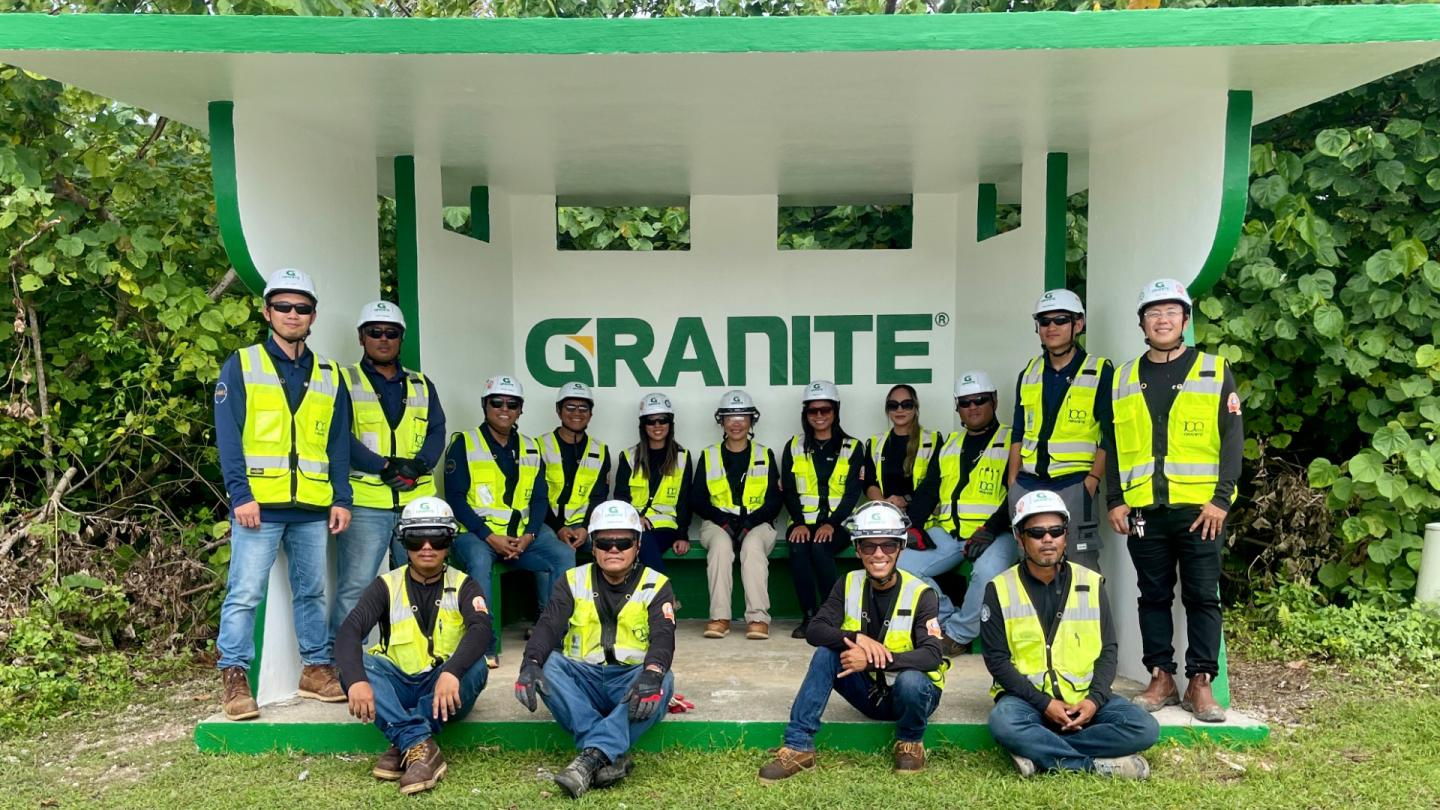
Granite Construction is a major U.S. infrastructure and materials company with strong experience in transportation, water infrastructure, and heavy civil construction. The company says it serves transportation, water infrastructure, and mineral exploration markets.
Granite’s water infrastructure portfolio includes dams, flood control structures, reservoirs, wastewater treatment plants, and lined canals for agricultural irrigation. This makes it a strong candidate for public agencies and water owners seeking contractors with broad civil and materials capability.
Services Offered
Granite provides dam construction, reservoir construction, flood-control structures, canals, water infrastructure, earthwork, concrete works, transportation infrastructure, materials supply, and public works construction.
Industries Served
The company serves water districts, government agencies, municipalities, agricultural water users, public infrastructure owners, transportation agencies, and private clients.
Notable Projects
Granite’s history includes major work on the California Aqueduct, a 444-mile canal system that included 25 dams and reservoirs, 18 pumping plants, and eight hydroelectric power plants.
Competitive Advantages
Granite’s advantage is its combination of construction delivery and materials capability. Dam and reservoir projects require reliable earthworks, aggregates, concrete, and civil execution.
Headquarters
Watsonville, California.
Website
graniteconstruction.com
Why It Stands Out
Granite stands out for dams, reservoirs, canals, flood-control structures, and water infrastructure projects backed by materials and heavy civil experience.
Barnard Construction
Overview
Barnard Construction is a major heavy civil contractor with strong relevance in dams, reservoirs, tunnels, water, sewer, power transmission, marine, and environmental projects. The company describes itself as a large heavy-civil construction company with projects across power transmission, marine, water and sewer pipeline, and environmental sectors.
Barnard is especially important in reservoir and dam construction because it has experience with complex embankment and rockfill dam work. Its portfolio includes large-scale water storage projects that require geotechnical planning, earthwork, concrete structures, tunnels, spillways, and distribution facilities.
Services Offered
Barnard provides dam construction, reservoir construction, tunnels, water infrastructure, pipeline work, marine construction, environmental construction, power transmission, heavy civil works, and construction management.
Industries Served
The company serves water providers, utilities, public agencies, municipalities, hydropower owners, environmental clients, and infrastructure developers.
Notable Projects
Barnard is constructing the Chimney Hollow Reservoir in Colorado, including a zoned rockfill main dam, saddle dam, inlet/outlet structure, concrete-lined tunnel, spillway, and water distribution facilities. The project will add resilience to water supply for more than 500,000 residents.
Competitive Advantages
Barnard’s advantage is specialized heavy civil water infrastructure capability, especially for reservoirs, tunnels, and dam structures.
Headquarters
Bozeman, Montana.
Website
barnard-inc.com
Why It Stands Out
Barnard stands out for major reservoir and dam projects that require heavy civil expertise, water infrastructure experience, and complex earthworks.
Bechtel
Overview
Bechtel is one of the most recognized engineering, procurement, construction, and project management companies in the United States. It is ranked No. 2 on ENR’s 2026 Top 400 Contractors list.
Although Bechtel is widely known for energy, industrial, infrastructure, and megaproject delivery, its capabilities are relevant to large water, hydropower, and infrastructure programs where engineering, procurement, construction, and project controls must be integrated.
Services Offered
Bechtel provides engineering, procurement, construction, project management, program management, infrastructure delivery, energy infrastructure, water-related civil works, and commissioning support.
Industries Served
The company serves government agencies, utilities, energy companies, industrial clients, infrastructure owners, mining clients, and public-sector clients.
Notable Projects
Bechtel has delivered major infrastructure and energy projects globally. Specific U.S. dam projects should be verified during procurement.
Competitive Advantages
Bechtel’s advantage is megaproject management. Dam, hydropower, or pumped-storage projects with large budgets and technical complexity may benefit from this level of delivery experience.
Headquarters
Reston, Virginia.
Website
bechtel.com
Why It Stands Out
Bechtel stands out for major infrastructure programs requiring engineering-led delivery, procurement strength, and project controls.
The Lane Construction Corporation
Overview
The Lane Construction Corporation is a major U.S. heavy civil contractor best known for roads, highways, bridges, tunnels, mass transit, airports, dams, levees, and reservoirs. Lane says its portfolio includes highways, bridges, tunnels, mass transit, airports, dams and levees, reservoirs, and water projects.
Lane is relevant for dam projects that involve access roads, bridges, tunnels, spillways, embankments, and broader transportation or water infrastructure. Its heavy civil background makes it suitable for large public works.
Services Offered
Lane provides dam construction, levees, reservoirs, tunnels, highways, bridges, grading, drainage, water infrastructure, design-build delivery, and heavy civil construction.
Industries Served
The company serves state agencies, federal agencies, water authorities, municipalities, transportation agencies, airports, toll authorities, and infrastructure owners.
Notable Projects
Lane’s broader portfolio includes major transportation and water-related civil infrastructure. Buyers should verify current dam-specific references during procurement.
Competitive Advantages
Lane’s advantage is heavy civil and corridor infrastructure capability, useful for dams connected to tunnels, roads, bridges, and water systems.
Headquarters
Cheshire, Connecticut.
Website
laneconstruct.com
Why It Stands Out
Lane stands out for heavy civil dam-adjacent projects involving tunnels, levees, reservoirs, access infrastructure, and major earthworks.
FlatironDragados
Overview
FlatironDragados is a major heavy civil contractor with strong experience in transportation, water, bridges, rail, and complex infrastructure. The company reported that ENR ranked it No. 1 in Domestic Heavy Contractor and No. 1 in Transportation in 2026.
While it is especially known for transportation, its heavy civil and water infrastructure capabilities make it relevant for selected dam, reservoir, spillway, and water conveyance projects.
Services Offered
FlatironDragados provides heavy civil construction, water infrastructure, bridge construction, tunnels, design-build delivery, concrete structures, civil works, and public infrastructure delivery.
Industries Served
The company serves transportation agencies, water agencies, municipalities, federal agencies, transit authorities, and infrastructure owners.
Notable Projects
FlatironDragados has delivered major infrastructure and water-related projects across North America. Buyers should request dam-specific references for specialized projects.
Competitive Advantages
Its advantage is heavy civil execution and alternative delivery experience.
Headquarters
Broomfield, Colorado.
Website
fdcorp.com
Why It Stands Out
FlatironDragados stands out for complex heavy civil and water infrastructure projects requiring large-project capacity.
The Walsh Group
Overview
The Walsh Group is a major U.S. contractor with experience in transportation, water, wastewater, bridges, heavy civil, and public infrastructure. Its water and heavy civil expertise makes it relevant for dam-related civil works, levees, spillways, flood-control structures, and water infrastructure.
Walsh is particularly useful when dam or reservoir work connects with broader public infrastructure, such as roads, bridges, pumping systems, treatment plants, utilities, or flood-control channels.
Services Offered
Walsh provides heavy civil construction, water infrastructure, flood-control works, concrete structures, construction management, design-build, bridges, transportation, and public works.
Industries Served
The company serves water agencies, municipalities, transportation agencies, public infrastructure owners, utilities, and federal clients.
Notable Projects
Walsh has delivered major public infrastructure, water, bridge, and transportation projects across the United States.
Competitive Advantages
Walsh’s advantage is complex public works delivery, especially where heavy civil and water systems overlap.
Headquarters
Chicago, Illinois.
Website
walshgroup.com
Why It Stands Out
Walsh stands out for heavy civil water infrastructure and flood-control projects requiring public-sector coordination.
Ames Construction
Overview
Ames Construction is a heavy civil contractor with experience in transportation, water, mining, energy, rail, bridges, and large earthwork projects. Dam construction often requires substantial earthmoving, grading, haul roads, foundations, embankments, and civil works, making Ames relevant for selected dam and reservoir projects.
The company is especially useful where a project involves major excavation, rock, earthfill, access roads, or site development around water infrastructure.
Services Offered
Ames provides heavy civil construction, earthwork, grading, water infrastructure, bridges, roads, mining infrastructure, energy infrastructure, utilities, and site development.
Industries Served
The company serves public agencies, water owners, mining companies, energy clients, municipalities, industrial owners, and infrastructure developers.
Notable Projects
Ames has worked on major earthwork, water, transportation, mining, and civil infrastructure projects across the United States.
Competitive Advantages
Its advantage is large-scale earthmoving and heavy civil field capability.
Headquarters
Burnsville, Minnesota.
Website
amesconstruction.com
Why It Stands Out
Ames stands out for dam and reservoir projects with major earthwork, grading, access roads, and heavy civil scopes.
Michels Corporation
Overview
Michels Corporation is a large infrastructure contractor active in energy, transportation, water, sewer, civil works, foundations, tunneling, and utilities. Dam-related projects often require specialty scopes such as deep foundations, tunneling, grouting, pipelines, water conveyance, and civil infrastructure, making Michels relevant for selected water and dam-adjacent work.
The company is particularly useful where dam projects involve buried utilities, conveyance pipelines, foundations, or complex underground work.
Services Offered
Michels provides heavy civil construction, foundations, tunneling, pipeline construction, water infrastructure, utility construction, transportation, energy infrastructure, and specialty construction.
Industries Served
The company serves utilities, water agencies, energy companies, municipalities, transportation agencies, industrial clients, and public infrastructure owners.
Notable Projects
Michels has delivered major infrastructure, utility, pipeline, water, tunneling, and civil projects across North America.
Competitive Advantages
Its advantage is specialty infrastructure capability, especially foundations, tunneling, pipelines, and utilities.
Headquarters
Brownsville, Wisconsin.
Website
michels.us
Why It Stands Out
Michels stands out for dam-adjacent infrastructure involving tunneling, foundations, pipelines, utilities, and water conveyance.
Malcolm Drilling
Overview
Malcolm Drilling is a specialty deep foundation and geotechnical contractor, not a general dam builder. However, dam projects often require foundation improvement, cutoff walls, secant piles, slurry walls, anchors, grouting, and seepage-control systems. This makes firms like Malcolm important in dam rehabilitation and safety upgrades.
For dam owners, specialty foundation contractors can be critical when the issue is seepage, unstable foundation conditions, seismic risk, or structural reinforcement.
Services Offered
Malcolm Drilling provides deep foundations, drilled shafts, slurry walls, cutoff walls, ground improvement, anchors, grouting, secant piles, and specialty geotechnical construction.
Industries Served
The company serves infrastructure owners, water agencies, transportation agencies, developers, contractors, utilities, and public-sector clients.
Notable Projects
Malcolm has worked on major foundation and geotechnical projects across the United States.
Competitive Advantages
Its advantage is specialty geotechnical and foundation expertise.
Headquarters
San Francisco Bay Area, California.
Website
malcolmdrilling.com
Why It Stands Out
Malcolm Drilling stands out for dam safety and rehabilitation projects requiring cutoff walls, foundation improvement, seepage control, and geotechnical construction.
Industry Trends Affecting Dam Construction Companies
Dam Safety Rehabilitation
Many U.S. dams are older assets that need spillway upgrades, seepage control, seismic retrofits, outlet works repairs, and monitoring improvements. Rehabilitation is often more common than new dam construction.
Climate Resilience
More intense storms, droughts, floods, and changing runoff patterns are affecting dam design and operations. Contractors must work with engineers to improve spillway capacity, flood routing, embankment protection, and emergency resilience.
Hydropower Modernization
Hydropower facilities are being upgraded for efficiency, reliability, safety, and environmental performance. Work may include turbines, gates, penstocks, powerhouses, fish passage, and control systems.
Reservoir Expansion
Water-stressed regions are exploring reservoir expansion, off-stream storage, and conveyance improvements. These projects can face permitting, environmental, tribal, labor, and funding challenges.
Digital Monitoring
Dam owners increasingly use sensors, drones, remote monitoring, digital models, and automated reporting to track seepage, movement, water levels, spillway performance, and structural health.
Environmental Compliance
Dam projects often involve fish passage, sediment, water quality, habitat protection, wetlands, endangered species, and downstream flow requirements. Contractors must work within strict environmental controls.
Buyer’s Guide: How to Choose Dam Construction Companies
Match the Contractor to the Dam Type
An earthfill dam, rockfill dam, concrete dam, hydropower dam, levee, reservoir, or spillway upgrade requires different expertise. Choose a contractor with directly relevant experience.
Review Dam-Specific References
Heavy civil experience is not enough. Ask for completed dam, reservoir, levee, spillway, hydropower, or water storage projects with similar technical conditions.
Evaluate Geotechnical Capability
Dam projects depend heavily on foundation conditions, seepage control, slope stability, borrow materials, compaction, grouting, and drainage. Ask how the contractor manages geotechnical risk.
Study Safety Systems
Dam construction involves heavy equipment, excavation, water, concrete, slopes, confined spaces, electrical systems, and sometimes tunneling. Strong safety planning is essential.
Check Equipment and Self-Perform Capacity
Dam projects may require large earthmoving fleets, concrete plants, cranes, drilling equipment, dewatering systems, tunneling equipment, or specialty subcontractors. Verify capacity before award.
Understand Regulatory Experience
Dam owners often work with state dam safety offices, federal agencies, environmental regulators, utilities, water districts, and public stakeholders. Contractors should understand documentation and compliance expectations.
Watch for Red Flags
Red flags include no dam-specific experience, weak safety records, unclear geotechnical strategy, vague sequencing, limited equipment, poor references, unrealistic schedules, and weak environmental compliance planning.
Why Dam Construction Companies Matter in the United States
Dam construction companies support water security, flood protection, irrigation, hydropower, recreation, agriculture, municipal growth, and climate resilience. A safe dam can protect communities and support regional economies. A poorly maintained or poorly built dam can create serious public safety and environmental risks.
The industry also supports skilled jobs in heavy equipment operation, concrete work, engineering, surveying, drilling, tunneling, welding, environmental management, hydropower systems, and project controls.
As droughts, floods, aging infrastructure, and energy transition shape America’s water future, qualified Dam Construction Companies will remain essential to public safety and long-term infrastructure resilience.
Conclusion
The leading Dam Construction Companies in the United States include Kiewit, Granite Construction, Barnard Construction, Bechtel, Lane Construction, FlatironDragados, Walsh, Ames Construction, Michels Corporation, and Malcolm Drilling. Each company has different strengths. Kiewit is strong in dams, storage, and hydropower. Granite brings water infrastructure and materials capability. Barnard is highly relevant for reservoirs and heavy civil water works. Bechtel offers megaproject delivery. Lane, FlatironDragados, Walsh, and Ames provide heavy civil infrastructure depth. Michels is useful for tunneling, pipelines, and specialty infrastructure. Malcolm Drilling is important for foundation, cutoff wall, and dam rehabilitation work.
For buyers, the right contractor depends on dam type, safety requirements, geology, hydrology, environmental constraints, delivery method, and project risk. The best choice is the company with the right technical team, equipment, references, safety culture, and dam-specific experience.
Frequently Asked Questions
What are the best Dam Construction Companies in the United States?
Some of the best Dam Construction Companies in the United States include Kiewit, Granite Construction, Barnard Construction, Bechtel, Lane Construction, FlatironDragados, Walsh, Ames Construction, Michels Corporation, and Malcolm Drilling. The best choice depends on whether the project involves a new dam, reservoir, spillway upgrade, levee, hydropower facility, tunnel, foundation repair, or dam safety rehabilitation.
What does a dam construction company do?
A dam construction company builds, repairs, upgrades, or rehabilitates dams, reservoirs, spillways, levees, outlet works, hydropower facilities, and water-control structures. Work may include earthmoving, concrete placement, foundation treatment, seepage control, drainage, tunneling, gates, penstocks, dewatering, instrumentation, erosion protection, and environmental controls.
How do I choose a dam contractor?
Choose a dam contractor based on direct dam experience, safety record, geotechnical capability, equipment capacity, references, regulatory experience, and similar completed projects. Do not choose based only on general heavy civil experience. Dam work involves public safety, hydrology, seepage, foundations, and long-term risk, so specialized knowledge matters.
Which company is best for dam safety upgrades?
Kiewit, Barnard, Granite, Malcolm Drilling, Michels, Walsh, and other heavy civil specialists may be strong candidates depending on the scope. Dam safety upgrades may involve spillway expansion, cutoff walls, outlet works, grouting, slope stabilization, instrumentation, or seismic retrofit. The best contractor depends on the technical problem.
What is the difference between a dam and a reservoir?
A dam is the structure that blocks or controls water flow. A reservoir is the water storage area created behind or near the dam. Some projects involve both dam construction and reservoir development, including spillways, intake structures, outlet works, tunnels, access roads, and distribution facilities.
How much does dam construction cost in the United States?
Dam construction costs vary widely depending on size, type, geology, materials, spillway design, hydrology, environmental requirements, access, labor, safety needs, and whether the project includes hydropower, tunnels, or water conveyance. A small embankment dam can cost far less than a large reservoir or hydropower dam. Owners need detailed engineering before reliable pricing.
What are common types of dams?
Common dam types include earthfill dams, rockfill dams, concrete gravity dams, arch dams, buttress dams, roller-compacted concrete dams, embankment dams, diversion dams, and hydropower dams. The right type depends on geology, valley shape, water purpose, materials, seismic risk, hydrology, and budget.
Why are dam safety upgrades important?
Dam safety upgrades reduce the risk of failure, flooding, property damage, water loss, and public danger. Older dams may need spillway improvements, seepage control, outlet repairs, instrumentation, seismic strengthening, or embankment stabilization. These upgrades protect downstream communities and extend the life of critical water infrastructure.
What are warning signs of a weak dam contractor?
Warning signs include no dam-specific references, weak safety documentation, poor geotechnical understanding, vague sequencing, limited heavy equipment, unclear environmental plans, unrealistic schedules, and weak regulatory experience. Owners should be cautious if a contractor cannot explain seepage control, foundation treatment, spillway work, or emergency risk management.
Why are dam construction companies important?
Dam construction companies help secure water supply, control floods, support irrigation, generate hydropower, protect communities, and strengthen drought resilience. Their work affects public safety, agriculture, energy, municipal growth, and environmental management. Because dams carry long-term risk, qualified contractors are essential.