Bridge Contractors in the United States play a critical role in public safety, transportation reliability, freight movement, regional trade, and infrastructure modernization. Bridges connect cities, ports, farms, industrial corridors, residential communities, airports, and emergency routes. When bridges are poorly maintained, structurally outdated, or unable to handle modern traffic volumes, the impact can affect commuters, supply chains, public agencies, and local economies.
The U.S. bridge construction market is highly specialized. Bridge contractors must manage foundations, piers, decks, steel or concrete superstructures, traffic staging, marine work, environmental requirements, utility conflicts, geotechnical conditions, safety systems, and public communication. Unlike ordinary road construction, bridge projects often involve water crossings, rail corridors, seismic design, complex lifting operations, restricted work zones, and strict inspection requirements.
Demand for qualified bridge contractors remains strong because many U.S. bridges need repair, replacement, widening, seismic upgrades, scour protection, deck rehabilitation, painting, strengthening, or full reconstruction. Public infrastructure investment, state transportation programs, port access needs, climate resilience, and freight corridor upgrades are all supporting long-term work in the sector.
This guide profiles leading Bridge Contractors in the United States, explains their strengths, and helps public agencies, infrastructure owners, developers, and procurement teams understand how to choose the right contractor. It also covers industry trends, buyer guidance, market challenges, and frequently asked questions.
Industry Overview: Bridge Contractors in the United States
Bridge construction in the United States is part of the heavy civil infrastructure sector. It includes new bridge construction, bridge replacement, rehabilitation, widening, seismic retrofits, deck replacement, structural steel work, concrete bridge construction, marine bridges, pedestrian bridges, rail bridges, overpasses, interchanges, and movable bridge systems.
Most bridge projects are funded or managed by state departments of transportation, cities, counties, toll authorities, port authorities, transit agencies, rail owners, and federal agencies. Private-sector bridge work also occurs in industrial sites, mining operations, campuses, logistics hubs, and large developments.
Bridge contractors face several technical challenges. They must manage traffic around work zones, protect workers near live traffic or water, handle heavy lifts, coordinate with engineers, meet DOT specifications, work around utilities, and protect waterways or sensitive habitats. Projects may also involve night work, lane closures, marine barges, cofferdams, drilled shafts, pile driving, temporary structures, and complex sequencing.
The market is increasingly shaped by design-build delivery, accelerated bridge construction, prefabricated bridge elements, digital modeling, low-carbon materials, resilience standards, and stricter safety requirements. Contractors with bridge-specific expertise, equipment capacity, engineering coordination, and public-agency experience are best positioned.
Ranking Methodology
This directory evaluates bridge contractors based on bridge and transportation relevance, public project experience, heavy civil capability, geographic reach, technical expertise, equipment capacity, reputation, safety culture, delivery methods, and buyer usefulness.
ENR’s 2026 Top 400 Contractors ranking provides useful context for major U.S. contractor scale, while company sources confirm specific bridge and transportation capabilities. Kiewit, Granite Construction, Lane Construction, FlatironDragados, Walsh, Skanska USA, Ames Construction, Kokosing, Tutor Perini, and American Bridge Company are among the most relevant firms for bridge-related work in the United States. ENR ranked FlatironDragados as No. 1 in Domestic Heavy Contractor and No. 1 in Transportation in 2026, according to the company’s ENR summary.
Best Bridge Contractors in the United States
Kiewit Corporation
Overview
Kiewit Corporation is one of the strongest bridge and heavy civil contractors in the United States. The company works across transportation, bridges, roads, transit, rail, water, power, and industrial infrastructure. Its bridge capabilities are especially relevant for public agencies and owners managing complex crossings, interchanges, pedestrian bridges, and major corridor improvements.
Kiewit’s bridge work includes structures that require careful coordination with traffic, transit, utilities, waterways, and public stakeholders. The company’s transportation division covers civil and roadway, drainage, materials, structures and bridges, transit, and rail services, giving it a broad platform for bridge-connected infrastructure.
Services Offered
Kiewit provides bridge construction, bridge replacement, heavy civil construction, design-build delivery, transportation infrastructure, roadway integration, drainage, foundations, construction management, and project controls.
Industries Served
The company serves state DOTs, cities, counties, transit agencies, toll authorities, airports, ports, utilities, and public infrastructure owners.
Notable Projects
Kiewit was selected by the Tennessee Department of Transportation as construction manager for the I-55 bridge replacement project.
Competitive Advantages
Kiewit’s advantage is heavy civil execution. It has the equipment, workforce, engineering coordination, and project controls needed for large bridge projects.
Headquarters
Omaha, Nebraska.
Website
kiewit.com
Why It Stands Out
Kiewit stands out for major bridge, interchange, highway, and heavy civil projects requiring scale, safety, and technical depth.
Granite Construction
Overview
Granite Construction is a major U.S. infrastructure contractor with strong bridge and transportation capabilities. The company describes itself as a diversified construction and construction materials company serving transportation, water infrastructure, and mineral exploration markets.
Granite’s bridge experience includes cable-stayed, tied-arch, beam, truss, and suspension bridge construction. Its transportation work includes alternative procurement, design-build, and public-private partnership methods, which are increasingly important for large bridge programs.
Services Offered
Granite provides bridge construction, road and highway construction, design-build delivery, civil infrastructure, asphalt and materials, grading, drainage, concrete work, and public works construction.
Industries Served
The company serves DOTs, municipalities, counties, federal agencies, private developers, ports, airports, utilities, and infrastructure owners.
Notable Projects
Granite’s bridge portfolio includes major transportation structures, including bridge work involving high-capacity crossings and historic route replacements.
Competitive Advantages
Granite’s advantage is the combination of bridge construction, road construction, and materials capability. This supports better control over quality, schedule, and cost.
Headquarters
Watsonville, California.
Website
graniteconstruction.com
Why It Stands Out
Granite stands out for bridge and highway projects where materials, transportation experience, and delivery flexibility matter.
The Lane Construction Corporation
Overview
The Lane Construction Corporation is one of America’s leading heavy civil infrastructure contractors, with deep experience in highways, bridges, tunnels, rail, airports, dams, levees, reservoirs, and mass transit. The company says it has helped create the U.S. network of roads, highways, tunnels, and bridges for 135 years.
Lane is particularly relevant for bridge projects connected to major transportation corridors. Its experience across highways and bridges makes it useful for owners that need integrated roadway and structure delivery.
Services Offered
Lane provides bridge construction, highway construction, road widening, tunnel construction, design-build delivery, heavy civil construction, grading, drainage, paving, and transportation systems.
Industries Served
The company serves state DOTs, transit agencies, federal agencies, toll authorities, rail clients, airports, and public infrastructure owners.
Notable Projects
Lane reports that it has built more than 17,918 miles of highways and 179 miles of bridges over its history.
Competitive Advantages
Lane’s advantage is transportation specialization. Its bridge work is supported by long experience in highways, tunnels, and corridor infrastructure.
Headquarters
Cheshire, Connecticut.
Website
laneconstruct.com
Why It Stands Out
Lane stands out for bridge and highway projects where corridor experience, self-performance, and heavy civil capacity are essential.
FlatironDragados
Overview
FlatironDragados is a major North American heavy civil contractor with strong bridge, road, rail, water, and transportation infrastructure capabilities. The company is especially relevant for large, technically demanding bridge and transportation projects that require innovative delivery, complex staging, and deep engineering coordination.
In 2026, FlatironDragados said ENR ranked it No. 1 in Domestic Heavy Contractor and No. 1 in Transportation, confirming its strength in U.S. heavy civil markets.
Services Offered
FlatironDragados provides bridge construction, highway construction, rail and transit infrastructure, water infrastructure, design-build delivery, concrete structures, heavy civil construction, and public works delivery.
Industries Served
The company serves transportation agencies, cities, counties, federal agencies, transit authorities, rail owners, water agencies, and infrastructure developers.
Notable Projects
FlatironDragados has delivered major road, bridge, rail, and civil infrastructure projects across North America.
Competitive Advantages
Its advantage is technical heavy civil construction, especially projects requiring bridge structures, major transportation works, and alternative delivery models.
Headquarters
Broomfield, Colorado.
Website
flatirondragados.com
Why It Stands Out
FlatironDragados stands out for complex bridge and transportation infrastructure projects requiring major heavy civil expertise.
The Walsh Group
Overview
The Walsh Group is a major U.S. contractor with strong experience in bridges, transportation, transit, water, buildings, and heavy civil infrastructure. Its bridge construction relevance comes from its ability to manage complex public works that involve structures, traffic, utilities, waterways, and urban constraints.
Walsh is often considered for large transportation and public infrastructure projects where bridge construction must be coordinated with roads, rail, transit, drainage, and public access.
Services Offered
Walsh provides bridge construction, highway construction, civil works, transit infrastructure, design-build, construction management, public works, water infrastructure, and heavy construction services.
Industries Served
The company serves DOTs, municipalities, transit authorities, water agencies, airports, public owners, and infrastructure clients.
Notable Projects
Walsh has delivered major bridge, transportation, transit, and public infrastructure projects across the United States.
Competitive Advantages
Its advantage is complex public infrastructure delivery, especially in urban and high-traffic environments.
Headquarters
Chicago, Illinois.
Website
walshgroup.com
Why It Stands Out
Walsh stands out for bridge and transportation projects that require strong public-sector coordination and heavy civil execution.
Skanska USA
Overview
Skanska USA is a major U.S. construction and development company with strong infrastructure and building operations. In bridge construction, Skanska is relevant for major public infrastructure, bridge replacement, road corridors, transit systems, and complex transportation projects.
Skanska’s global construction knowledge, safety systems, sustainability focus, and project controls make it suitable for large bridge projects with high public visibility and technical risk.
Services Offered
Skanska USA provides bridge construction, highway construction, civil infrastructure, design-build delivery, public-private partnership support, construction management, project controls, and sustainable infrastructure services.
Industries Served
The company serves state DOTs, transit agencies, federal agencies, cities, counties, airports, ports, utilities, and infrastructure developers.
Notable Projects
Skanska USA has worked on bridges, highways, rail, airports, civic infrastructure, and major public works projects across the United States.
Competitive Advantages
Its advantage is large-project capacity and experience with technically demanding public infrastructure.
Headquarters
U.S. headquarters: New York City, New York.
Website
skanska.com
Why It Stands Out
Skanska USA stands out for major public bridge and infrastructure projects requiring scale, safety, and sustainability.
Ames Construction
Overview
Ames Construction is a heavy civil and industrial contractor with strong experience in transportation, highways, bridges, rail, mining, energy, water, and site development. For bridge projects, Ames is particularly useful where structures are connected to major earthwork, grading, road corridors, and heavy civil scopes.
The company is relevant for state, regional, and industrial infrastructure owners that need a contractor with field capacity, equipment depth, and experience in challenging conditions.
Services Offered
Ames provides bridge construction, highway construction, grading, earthwork, rail, site development, utilities, water infrastructure, mining services, and heavy civil construction.
Industries Served
The company serves transportation agencies, mining companies, municipalities, industrial owners, developers, energy clients, and public infrastructure clients.
Notable Projects
Ames has worked on bridges, highways, interchanges, rail infrastructure, industrial sites, and major earthwork projects across the United States.
Competitive Advantages
Ames is strong where bridge construction intersects with earthwork, grading, and major civil infrastructure.
Headquarters
Burnsville, Minnesota.
Website
amesconstruction.com
Why It Stands Out
Ames stands out for bridge projects involving heavy earthwork, highway corridors, and complex civil scopes.
Kokosing Construction
Overview
Kokosing Construction is a major heavy civil contractor with strong bridge, highway, asphalt, concrete paving, marine, water, and industrial capabilities. It is especially relevant in Midwest and regional markets where DOT relationships, local materials knowledge, and field execution matter.
Bridge contractors often need regional experience because state specifications, weather, labor markets, and materials availability vary. Kokosing’s regional strength makes it a serious bridge construction option in its operating markets.
Services Offered
Kokosing provides bridge construction, highway construction, asphalt paving, concrete paving, earthwork, marine construction, water infrastructure, utilities, and heavy civil services.
Industries Served
The company serves state DOTs, municipalities, counties, water agencies, industrial owners, developers, and public infrastructure clients.
Notable Projects
Kokosing has delivered bridges, highways, paving programs, water infrastructure, marine projects, and heavy civil works across regional markets.
Competitive Advantages
Its advantage is regional heavy civil strength backed by bridge, paving, and public works capability.
Headquarters
Westerville, Ohio.
Website
kokosing.biz
Why It Stands Out
Kokosing stands out for bridge, highway, marine, and heavy civil work in regional U.S. infrastructure markets.
American Bridge Company
Overview
American Bridge Company is one of the most historic bridge contractors in the United States. The company has deep experience in complex bridge construction, rehabilitation, marine structures, heavy civil work, and major infrastructure. Its name is closely associated with iconic U.S. bridge building history.
American Bridge is especially relevant for large or technically difficult bridge projects involving steel structures, major spans, complex erection, marine work, and rehabilitation. It is a specialist option rather than a general road contractor.
Services Offered
American Bridge provides bridge construction, bridge rehabilitation, steel erection, marine construction, heavy civil construction, complex lifting, foundations, and major infrastructure delivery.
Industries Served
The company serves DOTs, transit agencies, port authorities, federal agencies, municipalities, rail owners, and infrastructure developers.
Notable Projects
American Bridge has been involved in major bridge and infrastructure projects across the United States and internationally.
Competitive Advantages
Its advantage is bridge specialization. Few contractors have the same historical depth in major bridge construction and complex steel structures.
Headquarters
Coraopolis, Pennsylvania.
Website
americanbridge.net
Why It Stands Out
American Bridge stands out for complex bridge construction and rehabilitation projects where specialized structural expertise is required.
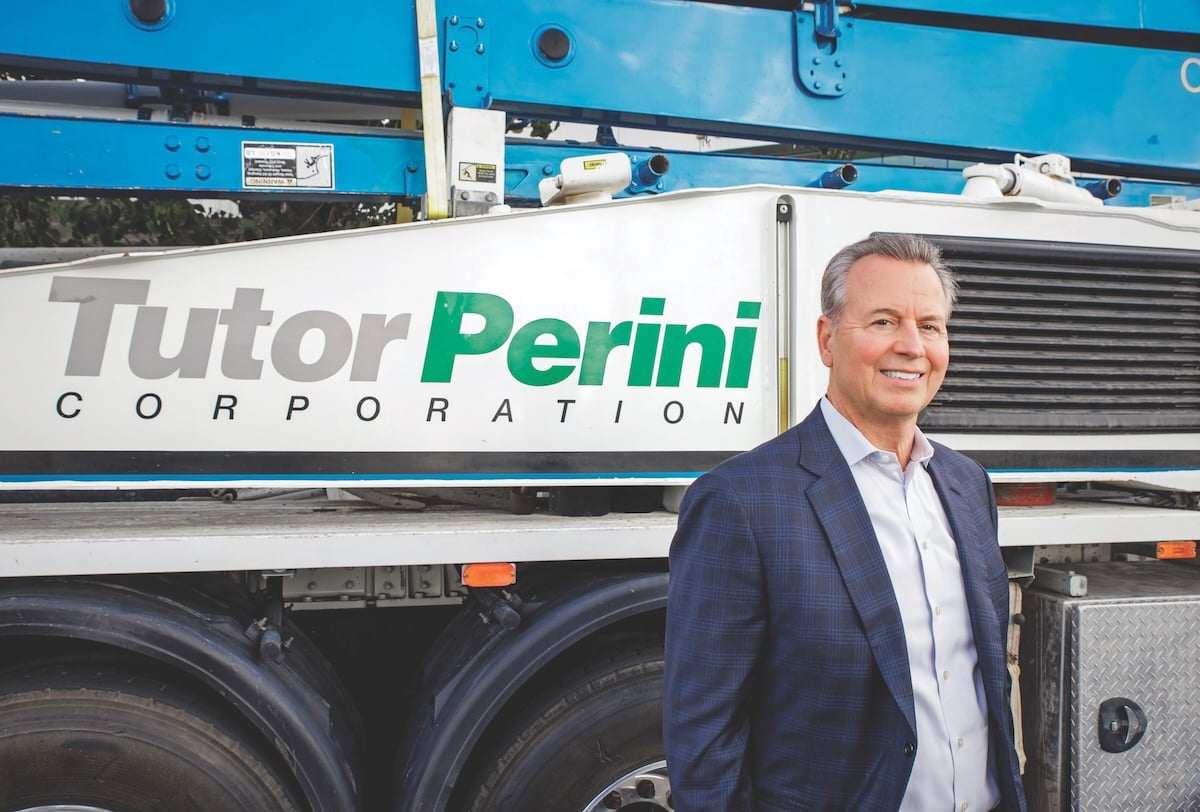
Tutor Perini
Overview
Tutor Perini is a major U.S. civil, building, and specialty construction company with experience in transportation, bridges, transit, tunnels, infrastructure, and public works. It is especially relevant for large, complex projects in major urban markets where bridges interact with rail, transit, highways, and public infrastructure.
The company’s civil construction operations are suitable for projects requiring scale, complex coordination, and public-sector delivery.
Services Offered
Tutor Perini provides bridge construction, civil infrastructure, transit construction, highway construction, tunnels, public works, specialty construction, construction management, and design-build support.
Industries Served
The company serves DOTs, transit agencies, municipalities, federal agencies, airports, public authorities, and infrastructure owners.
Notable Projects
Tutor Perini has worked on major transit, bridge, highway, and public infrastructure projects across the United States.
Competitive Advantages
Its advantage is experience on large, complex public infrastructure projects, especially in dense urban environments.
Headquarters
Sylmar, California.
Website
tutorperini.com
Why It Stands Out
Tutor Perini stands out for major civil and transportation projects where bridges are part of broader public infrastructure programs.
Industry Trends Affecting Bridge Contractors
Bridge Replacement and Rehabilitation
A large share of U.S. bridge work involves replacing outdated bridges, rehabilitating aging decks, strengthening structures, and improving safety. Many projects are not new landmark bridges but practical upgrades to existing crossings.
Accelerated Bridge Construction
Accelerated bridge construction uses prefabricated elements, rapid installation methods, and shorter closures to reduce disruption. This is especially valuable on busy highways, urban corridors, and critical freight routes.
Design-Build Delivery
Design-build is increasingly common for large bridge projects because it allows contractors and designers to coordinate earlier. This can improve schedule certainty, constructability, and risk management when properly structured.
Climate Resilience
Bridge design and construction are being affected by flooding, scour, stronger storms, sea-level rise, wildfire risk, and heat. Contractors must increasingly plan for resilient foundations, drainage, materials, and access routes.
Digital Engineering and Monitoring
Bridge projects now use BIM, 3D modeling, drones, lidar, digital surveying, structural monitoring sensors, and project dashboards. These tools improve coordination, inspection, safety, and long-term asset management.
Work-Zone Safety
Bridge contractors face high-risk environments involving heights, live traffic, water, cranes, heavy lifts, and confined spaces. Safety planning, traffic control, fall protection, and emergency procedures are central to project success.
Buyer’s Guide: How to Choose Bridge Contractors
Match the Contractor to the Bridge Type
A pedestrian bridge, highway overpass, river crossing, rail bridge, movable bridge, marine bridge, and major cable-stayed bridge require different expertise. Choose a contractor with direct experience in the structure type.
Review DOT and Public-Agency Experience
Most bridge work involves public specifications, inspections, traffic control, reporting, and funding requirements. Contractors should have strong experience working with state DOTs or relevant public owners.
Evaluate Structural Capability
Bridge contractors must understand foundations, piers, decks, steel, concrete, bearings, expansion joints, drainage, barriers, and temporary works. Ask how the contractor manages structural risk.
Check Heavy Equipment and Lifting Plans
Bridge construction often requires cranes, barges, falsework, temporary supports, pile driving, drilled shafts, and heavy lifts. Equipment capacity and lifting expertise are critical.
Study Safety Performance
Bridge work is high-risk. Ask for safety records, fall protection procedures, traffic-control systems, marine safety plans, crane safety programs, and subcontractor safety requirements.
Understand Pricing and Risk
Bridge pricing depends on foundations, materials, traffic staging, environmental controls, steel or concrete systems, demolition, utilities, access, schedule, and weather. Compare bids based on scope, not only total price.
Watch for Red Flags
Red flags include weak bridge-specific experience, vague traffic-control plans, limited equipment capacity, poor safety documentation, unclear structural sequencing, weak references, and unrealistic schedules.
Why Bridge Contractors Matter in the United States
Bridge contractors support public safety, economic activity, freight movement, emergency access, tourism, agriculture, and regional connectivity. A bridge can determine whether a community has reliable access to jobs, schools, hospitals, markets, and ports.
The industry also supports skilled employment across ironworkers, carpenters, equipment operators, crane operators, concrete crews, engineers, surveyors, inspectors, truck drivers, materials suppliers, and safety professionals.
Strong bridge construction reduces congestion, improves safety, supports commerce, and protects long-term infrastructure value. Poor bridge construction can create structural problems, traffic disruptions, public risk, and expensive repairs.
As the United States continues to modernize transportation infrastructure, qualified Bridge Contractors will remain essential to safe and reliable mobility.
Conclusion
The leading Bridge Contractors in the United States include Kiewit, Granite Construction, Lane Construction, FlatironDragados, Walsh, Skanska USA, Ames Construction, Kokosing Construction, American Bridge Company, and Tutor Perini. Each has different strengths. Kiewit is strong in major heavy civil and transportation projects. Granite combines bridge construction with materials and road expertise. Lane has deep highway and bridge history. FlatironDragados is a top heavy civil and transportation contractor. Walsh and Skanska are strong public infrastructure builders. Ames and Kokosing bring regional heavy civil strength. American Bridge is a specialist in complex bridge structures. Tutor Perini is relevant for large urban and public infrastructure programs.
For buyers, the right contractor depends on bridge type, location, traffic conditions, structural complexity, public-agency requirements, safety expectations, and delivery method. The best bridge contractor is the one with the right people, equipment, technical experience, and risk plan for the specific crossing.
Frequently Asked Questions
What are the best Bridge Contractors in the United States?
Some of the best Bridge Contractors in the United States include Kiewit, Granite Construction, The Lane Construction Corporation, FlatironDragados, The Walsh Group, Skanska USA, Ames Construction, Kokosing Construction, American Bridge Company, and Tutor Perini. The best choice depends on the bridge type, location, size, delivery method, traffic conditions, and whether the project involves new construction, replacement, rehabilitation, or major structural repair.
What does a bridge contractor do?
A bridge contractor builds, replaces, repairs, widens, or rehabilitates bridges. Work may include foundations, piles, drilled shafts, piers, abutments, girders, decks, barriers, drainage, bearings, expansion joints, demolition, traffic control, marine work, and structural steel or concrete installation. Large bridge contractors also coordinate with engineers, inspectors, utilities, environmental agencies, and public owners.
How do I choose a bridge contractor?
Choose a bridge contractor based on similar project experience, safety record, equipment capacity, DOT experience, structural expertise, traffic-control planning, references, and delivery method. A contractor that builds small pedestrian bridges may not be qualified for a major river crossing, and a general road contractor may not be suited for complex steel or marine bridge work.
Which company is best for major bridge projects?
For major bridge projects, companies such as Kiewit, FlatironDragados, American Bridge, Granite Construction, Lane Construction, Walsh, Skanska USA, and Tutor Perini are strong candidates depending on project location and scope. Major bridges require heavy civil expertise, structural coordination, large equipment, risk management, and proven public infrastructure experience.
What is the difference between bridge construction and road construction?
Road construction focuses on pavements, earthwork, drainage, road widening, grading, resurfacing, and traffic infrastructure. Bridge construction focuses on structures that span roads, rivers, railways, valleys, or other obstacles. Bridge work usually involves more structural engineering, foundations, heavy lifts, fall protection, and inspection requirements.
How much does bridge construction cost in the United States?
Bridge construction costs vary widely depending on length, span type, materials, foundations, site access, traffic staging, environmental requirements, utilities, seismic standards, marine conditions, and demolition needs. A small rural bridge can cost far less than a major urban river crossing or cable-stayed bridge. Buyers should request detailed estimates that separate foundations, structures, traffic control, demolition, materials, and contingencies.
What are common types of bridges built in the United States?
Common bridge types include beam bridges, girder bridges, truss bridges, arch bridges, suspension bridges, cable-stayed bridges, box girder bridges, pedestrian bridges, rail bridges, movable bridges, and overpasses. The right bridge type depends on span length, traffic, site conditions, budget, aesthetics, navigation needs, and engineering requirements.
Why is traffic control important during bridge construction?
Traffic control protects workers and the public while keeping transportation networks operating. Bridge projects often happen on busy highways, city roads, rail corridors, or critical freight routes. Contractors must plan lane closures, detours, temporary barriers, signage, night work, emergency access, and public communication. Poor traffic control can cause crashes, delays, and public frustration.
What are warning signs of a weak bridge contractor?
Warning signs include limited bridge-specific experience, weak safety documentation, vague structural sequencing, poor equipment capacity, unclear traffic-control plans, limited DOT experience, weak references, unrealistic schedules, and unclear pricing. Buyers should also be cautious if a contractor cannot explain foundation risks, lifting plans, temporary works, or inspection requirements.
Why are bridge contractors important to the U.S. economy?
Bridge contractors help keep people, goods, emergency services, and businesses moving. Bridges connect communities, ports, farms, factories, highways, and cities. Reliable bridges reduce travel delays, support freight movement, improve safety, and protect regional economies. As infrastructure ages, qualified bridge contractors are essential for maintenance, replacement, and modernization.