Angiosarcoma is an uncommon and aggressive type of cancer that arises in the lining of blood vessels and lymphatic vessels. These vessels play a crucial role in circulating blood and managing the body’s immune response. While this rare cancer can develop in any part of the body, it most commonly occurs in the skin, particularly on the head and neck. It can also form in deeper tissues and vital organs like the liver and heart.
Key Facts About Angiosarcoma
- Primary Location: Most frequently found in the skin, especially on the head, neck, and scalp. Rarely, it may affect the breast, liver, or heart.
- Risk Factors: Prior radiation therapy, lymphedema, exposure to certain chemicals, and specific genetic syndromes can increase the likelihood of angiosarcoma.
- Symptoms: Symptoms vary depending on the location but often include bruise-like lesions on the skin, swelling, and pain in affected organs.
Symptoms of Angiosarcoma
Angiosarcoma Affecting the Skin
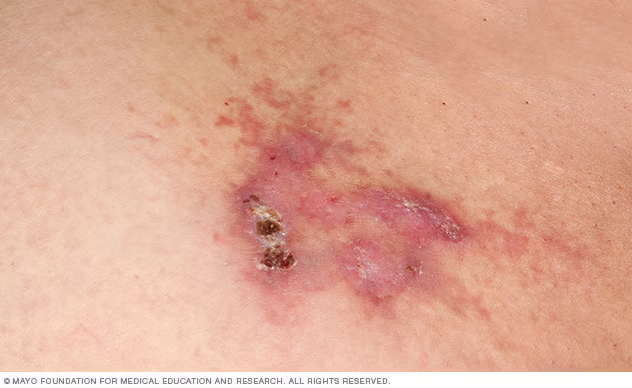
This is the most common presentation, often appearing as:
- A bruise-like area on the skin that grows over time.
- Raised lesions that may bleed when scratched or bumped.
- Swelling around the lesion.
- A lesion that does not heal, resembling a chronic wound.
Angiosarcoma in Organs
When angiosarcoma develops in internal organs like the liver or heart, symptoms may include:
- Persistent pain in the affected area.
- Organ-specific symptoms:
- Liver: Abdominal pain, jaundice, or unexplained weight loss.
- Heart: Shortness of breath, irregular heartbeat, or chest pain.
When to See a Doctor
Seek medical attention if you notice:
- Persistent skin changes resembling a bruise or wound that does not heal.
- Unexplained swelling or pain in any part of the body.
- Symptoms that are worsening or persistent without an apparent cause.
Causes of Angiosarcoma
The exact cause of angiosarcoma is often unknown. However, it occurs due to mutations in the DNA of cells lining the blood or lymphatic vessels. These mutations cause the cells to:
- Multiply uncontrollably.
- Avoid natural cell death.
- Invade healthy tissue and potentially spread to other parts of the body (metastasis).
Risk Factors
Several factors can increase the likelihood of developing angiosarcoma:
- Radiation Therapy:
- Angiosarcoma is a rare side effect of prior radiation treatments for cancer or other conditions.
- Lymphedema:
- Damage to lymph vessels, often after cancer surgery involving lymph node removal, can lead to lymphedema and increase angiosarcoma risk.
- Chemical Exposure:
- Exposure to certain industrial chemicals like vinyl chloride and arsenic is linked to angiosarcoma, especially in the liver.
- Genetic Syndromes:
- Hereditary conditions such as:
- Neurofibromatosis.
- Maffucci syndrome.
- Klippel-Trenaunay syndrome.
- Mutations in BRCA1 and BRCA2 genes.
- Hereditary conditions such as:
Complications of Angiosarcoma
Angiosarcoma is a highly aggressive cancer that can:
- Spread rapidly to other parts of the body, including the lungs, liver, and bones.
- Damage critical organs, leading to life-threatening complications.
- Cause bleeding and infection if lesions are open or ulcerated.
Diagnosis of Angiosarcoma
To confirm a diagnosis, healthcare providers may recommend:
- Imaging Tests:
- CT scans, MRI, or PET scans to assess the size and spread of the tumor.
- Biopsy:
- Removing a small sample of tissue for microscopic examination.
- Blood Tests:
- To evaluate overall health and organ function.
Treatment Options
The treatment plan depends on the location, size, and spread of the cancer:
- Surgery:
- The primary treatment for localized angiosarcoma is removing the tumor and some surrounding healthy tissue.
- In some cases, reconstructive surgery may be needed.
- Radiation Therapy:
- Often used before or after surgery to destroy cancer cells and reduce recurrence risk.
- Chemotherapy:
- Recommended for advanced or metastatic angiosarcoma.
- Helps shrink tumors and relieve symptoms.
- Targeted Therapy:
- In some cases, treatments targeting specific genetic mutations or pathways may be used.
- Clinical Trials:
- Participation in experimental therapies may offer additional options for treatment.
Prevention and Risk Reduction
While angiosarcoma can’t always be prevented, certain measures may reduce the risk:
- Avoid unnecessary radiation exposure.
- Monitor for lymphedema if you’ve had cancer surgery or lymph node removal.
- Use protective gear if you work with industrial chemicals like vinyl chloride or arsenic.
- Regular checkups for individuals with known genetic syndromes or a family history of angiosarcoma.
Prognosis
The outlook for angiosarcoma varies based on factors such as:
- The size and location of the tumor.
- Whether the cancer has spread.
- The overall health of the individual.
Early diagnosis and treatment significantly improve outcomes.
Key Takeaways
- Angiosarcoma is a rare but aggressive cancer that forms in blood and lymph vessels.
- Early detection is critical. Seek medical attention for any persistent or unusual skin changes or unexplained pain.
- Treatment typically involves a combination of surgery, radiation, and chemotherapy.
- While some risk factors like radiation exposure and chemical exposure are avoidable, genetic predispositions require proactive monitoring.
Managing angiosarcoma involves a team approach, including oncologists, surgeons, and supportive care professionals, to provide the best possible outcome.