Veterinary Clinics in the United States are essential to animal health, pet-owner confidence, food safety, public health, and the growing human-animal bond. For millions of households, a veterinary clinic is where pets receive vaccinations, wellness exams, dental care, parasite prevention, surgery, diagnostics, emergency treatment, and long-term management of chronic disease.
The U.S. veterinary market includes independent local clinics, corporate veterinary networks, university teaching hospitals, emergency animal hospitals, specialty referral centers, mobile veterinarians, equine practices, livestock veterinarians, and low-cost community clinics. AVMA’s 2025 Pet Ownership and Demographic Sourcebook reported 77.5 million U.S. households owned at least one pet in 2025, representing major demand for veterinary services.
Demand is rising because pets are increasingly treated as family members. Owners want advanced diagnostics, better pain control, dental services, urgent care, specialty surgery, dermatology, oncology, cardiology, behavioral care, and online appointment tools. At the same time, the sector faces challenges including veterinary workforce pressure, rising costs, corporate consolidation, appointment delays, and emergency-care access gaps.
This guide profiles leading Veterinary Clinics in the United States, explains the industry, and helps pet owners choose the right clinic. It is informational only and should not replace advice from a licensed veterinarian. In a pet emergency, contact an emergency veterinary hospital or your local veterinarian immediately.
Industry Overview: Veterinary Clinics in the United States
The U.S. veterinary clinic industry is highly diverse. Some clinics focus on preventive care for dogs and cats. Others provide emergency treatment, specialty surgery, internal medicine, oncology, cardiology, neurology, dermatology, dentistry, ophthalmology, exotic animal care, equine medicine, or livestock health.
Corporate networks have become more prominent. Banfield says it has more than 1,000 locations across the U.S. and Puerto Rico. National Veterinary Associates says its network includes 1,000 community hospitals. Mars Veterinary Health lists major veterinary brands including Banfield, VCA, BluePearl, and Antech.
This consolidation can improve access to systems, diagnostics, training, and specialty referral networks. However, many pet owners still prefer independent clinics because of local relationships, continuity, and personalized care.
Ranking Methodology
This directory evaluates veterinary clinics and networks based on reputation, service range, geographic reach, emergency and specialty care, preventive health programs, diagnostic capability, patient access, public information, and usefulness for pet owners.
This is not a medical endorsement. Pet owners should verify veterinarian credentials, clinic reviews, emergency availability, pricing, insurance acceptance, AAHA accreditation where applicable, and whether the clinic treats their animal species.
Leading Veterinary Clinics in the United States
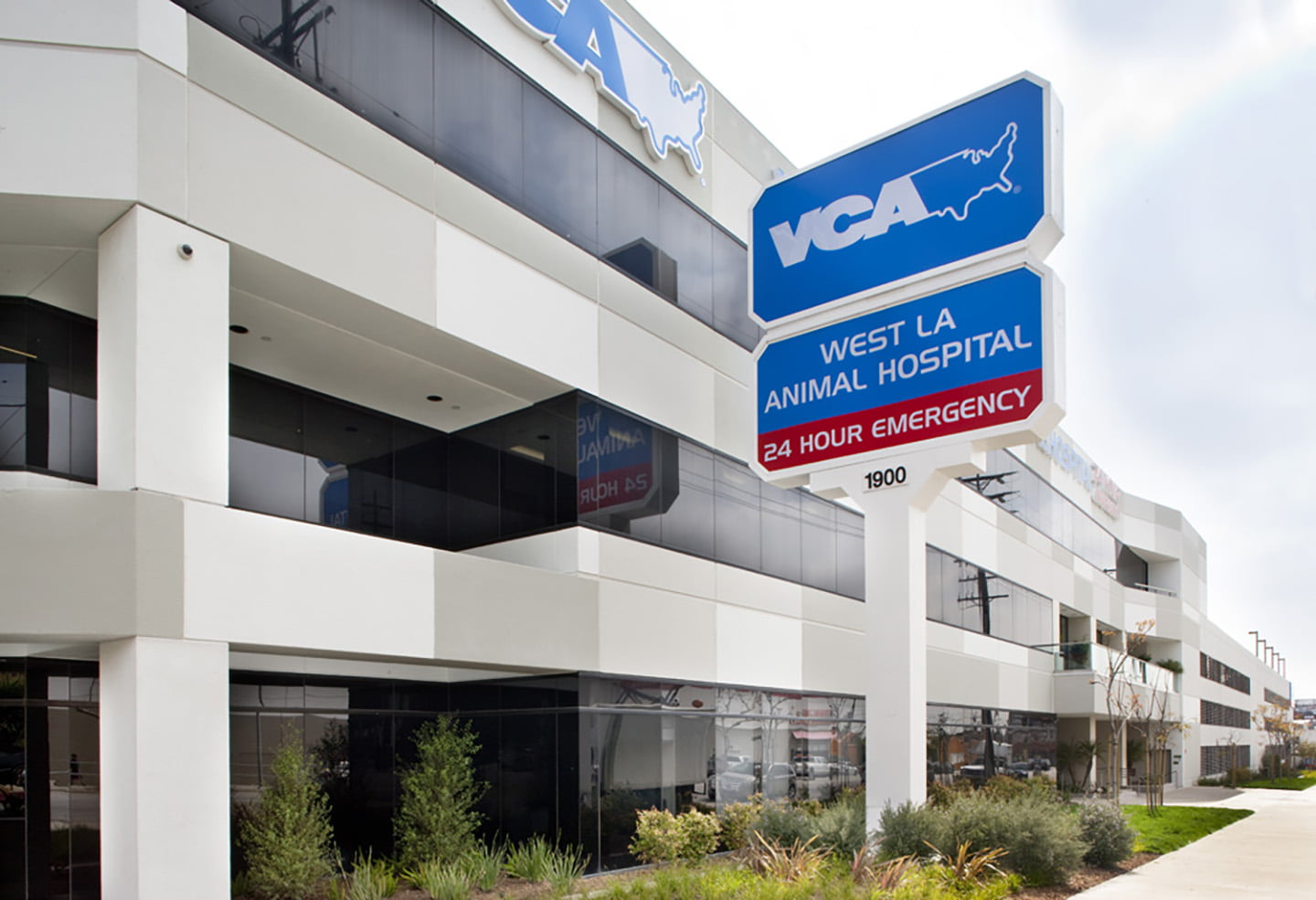
VCA Animal Hospitals
Overview
VCA Animal Hospitals is one of the largest veterinary care networks in North America. It provides primary care, urgent care, specialty care, emergency services, diagnostics, surgery, dentistry, and wellness services through a large hospital network.
Services Offered
Wellness exams, vaccinations, diagnostics, dental care, surgery, urgent care, emergency medicine, specialty referrals, oncology, internal medicine, and preventive care.
Animals Served
Dogs, cats, and selected exotic or specialty cases depending on location.
Notable Features
VCA offers specialty services through several hospitals and has VCA Pet CancerCare centers across North America.
Competitive Advantages
Its advantage is scale, brand recognition, specialty access, and connection to the Mars Veterinary Health ecosystem.
Headquarters
Los Angeles, California.
Website
vcahospitals.com
Why It Stands Out
VCA stands out for pet owners seeking broad veterinary access, specialty referral options, and a large clinic network.
Banfield Pet Hospital
Overview
Banfield Pet Hospital is one of the most recognized preventive veterinary care networks in the United States. It operates more than 1,000 locations across the U.S. and Puerto Rico, making it one of the most accessible clinic brands for routine pet care.
Services Offered
Wellness exams, vaccinations, parasite prevention, dental care, diagnostics, chronic disease monitoring, virtual-care options, and preventive care plans.
Animals Served
Primarily dogs and cats.
Notable Features
Banfield is known for its Optimum Wellness Plans, which help spread preventive-care costs over time.
Competitive Advantages
Its advantage is convenience, preventive-care focus, and national access.
Headquarters
Vancouver, Washington.
Website
banfield.com
Why It Stands Out
Banfield stands out for routine preventive care, wellness plans, and broad access through a national clinic network.
BluePearl Pet Hospital
Overview
BluePearl Pet Hospital is a major specialty and emergency veterinary hospital network. It is especially important for pet owners whose animals need advanced care beyond a standard primary clinic.
Services Offered
Emergency care, critical care, surgery, oncology, cardiology, internal medicine, neurology, ophthalmology, dermatology, and advanced diagnostics.
Animals Served
Primarily dogs and cats, with some specialty variation by hospital.
Notable Features
BluePearl is part of Mars Veterinary Health, alongside Banfield, VCA, and other veterinary brands.
Competitive Advantages
Its advantage is specialty and emergency capability.
Headquarters
Tampa, Florida.
Website
bluepearlvet.com
Why It Stands Out
BluePearl stands out for emergency and referral specialty care when pets need advanced treatment.
National Veterinary Associates
Overview
National Veterinary Associates, or NVA, is one of the largest veterinary hospital networks in the United States. It says its network includes 1,000 community hospitals, giving it a major role in companion-animal care.
Services Offered
Services vary by hospital but may include wellness care, surgery, dentistry, diagnostics, urgent care, boarding, grooming, emergency care, and specialty services.
Animals Served
Dogs, cats, and other species depending on the local hospital.
Notable Features
NVA includes community hospitals and specialty veterinary businesses, including Ethos Veterinary Health.
Competitive Advantages
Its advantage is a large network combined with local hospital identity.
Headquarters
Agoura Hills, California.
Website
nva.com
Why It Stands Out
NVA stands out because it supports many locally branded veterinary clinics while operating at national scale.
Thrive Pet Healthcare
Overview
Thrive Pet Healthcare is a national veterinary network offering primary, urgent, emergency, and specialty veterinary services. The company positions itself as a connected care network for pets and pet owners.
Services Offered
Primary care, preventive medicine, urgent care, emergency care, specialty services, diagnostics, surgery, dentistry, and wellness care.
Animals Served
Primarily dogs and cats, depending on clinic location.
Notable Features
Thrive promotes primary, emergency, urgent, and specialty veterinary services through animal hospitals nationwide.
Competitive Advantages
Its advantage is connected care across multiple levels of veterinary service.
Headquarters
Austin, Texas.
Website
thrivepetcare.com
Why It Stands Out
Thrive stands out for pet owners seeking a network that combines routine care with urgent, emergency, and specialty options.
Southern Veterinary Partners
Overview
Southern Veterinary Partners is a major veterinary care group supporting animal hospitals across the United States. It has grown through acquisition and partnership with local clinics.
Services Offered
Services vary by hospital but may include wellness exams, vaccinations, dentistry, surgery, diagnostics, urgent care, and preventive medicine.
Animals Served
Primarily dogs and cats, with some location-based variation.
Notable Features
The veterinary market has seen major consolidation, including the merger of Southern Veterinary Partners and Mission Veterinary Partners into a large clinic group valued at $8.6 billion, according to the Financial Times.
Competitive Advantages
Its advantage is operational scale while keeping many clinics locally branded.
Headquarters
Birmingham, Alabama.
Website
southernvetpartnersllc.com
Why It Stands Out
Southern Veterinary Partners stands out as one of the major clinic groups shaping the future of U.S. veterinary practice ownership.
Bond Vet
Overview
Bond Vet is a modern veterinary clinic brand focused on primary and urgent care in urban markets. It is known for same-day appointments, digital booking, modern clinic design, and a consumer-friendly patient experience.
Services Offered
Wellness exams, urgent care, vaccinations, diagnostics, dental care, surgery, skin and ear care, digestive issues, travel certificates, and preventive medicine.
Animals Served
Dogs and cats.
Notable Features
Bond Vet is designed around convenience, modern customer service, and urgent-care access.
Competitive Advantages
Its advantage is a modern urban clinic model with easy scheduling and urgent-care availability.
Headquarters
New York, New York.
Website
bondvet.com
Why It Stands Out
Bond Vet stands out for urban pet owners seeking convenient appointments, urgent care, and a modern clinic experience.
University Veterinary Teaching Hospitals
Overview
University veterinary teaching hospitals are among the most advanced animal medical centers in the United States. Examples include hospitals linked to Cornell, UC Davis, Colorado State University, University of Pennsylvania, Texas A&M, and North Carolina State.
Services Offered
Specialty surgery, internal medicine, oncology, cardiology, neurology, ophthalmology, dermatology, emergency care, advanced imaging, equine care, livestock medicine, and exotic animal care.
Animals Served
Dogs, cats, horses, livestock, exotic animals, wildlife, and specialty species depending on the university.
Notable Features
Teaching hospitals combine clinical care, research, specialist training, and advanced diagnostics.
Competitive Advantages
Their advantage is specialist depth and access to veterinary research.
Headquarters
Varies by university.
Website
Varies by institution.
Why It Stands Out
University veterinary hospitals stand out for complex cases, rare diseases, specialty surgery, and advanced diagnostics.
Industry Trends Affecting Veterinary Clinics in the United States
Corporate Consolidation
Large veterinary groups are buying or partnering with local clinics. This can improve systems, staffing support, and technology, but some veterinarians and pet owners worry about pricing, autonomy, and corporate influence.
Rising Pet Ownership
Pet ownership remains high in the United States. AVMA reported 77.5 million U.S. households owned at least one pet in 2025.
More Specialty and Emergency Demand
Pet owners increasingly seek advanced care such as oncology, cardiology, neurology, orthopedic surgery, dermatology, and emergency treatment.
Veterinary Workforce Pressure
The sector continues to face workforce concerns, including veterinarian shortages, technician shortages, burnout, and appointment delays.
Growth of Preventive Plans
Wellness plans and pet insurance are becoming more common as owners try to manage costs for vaccines, exams, dental care, and unexpected illness.
Buyer’s Guide: How to Choose Veterinary Clinics
Match the Clinic to the Pet’s Needs
A healthy puppy or kitten may need primary care, vaccines, parasite prevention, and spay/neuter planning. A pet with cancer, seizures, heart disease, or complex surgery may need a specialist or teaching hospital.
Check Credentials and Services
Ask whether veterinarians are licensed, whether the clinic has experienced technicians, what diagnostics are available, and whether emergency or referral support exists.
Compare Costs Clearly
Ask for written estimates before surgery, dental procedures, imaging, or hospitalization. Veterinary costs can vary widely by city, clinic type, and complexity.
Ask About Emergency Access
A primary clinic may not be open overnight. Pet owners should know the nearest emergency animal hospital before a crisis happens.
Watch for Red Flags
Red flags include unclear pricing, rushed explanations, poor communication, weak follow-up, dirty facilities, no written treatment plan, and refusal to discuss alternatives.
Why Veterinary Clinics Matter in the United States
Veterinary clinics matter because animal health affects families, communities, public health, agriculture, and the economy. Veterinarians help prevent rabies, parasites, zoonotic disease, animal suffering, and food-supply risks.
For pet owners, veterinary clinics support longer, healthier lives through preventive care, early diagnosis, dental health, pain management, nutrition guidance, and emergency treatment. Strong clinics also help owners make difficult decisions with compassion and evidence-based advice.
Conclusion
Veterinary Clinics in the United States range from independent local practices to large national networks and advanced teaching hospitals. VCA, Banfield, BluePearl, NVA, Thrive Pet Healthcare, Southern Veterinary Partners, Bond Vet, and university veterinary hospitals each serve different needs.
The best clinic depends on the animal, condition, budget, location, and urgency. Routine care may be best handled by a trusted local vet. Emergencies require a 24/7 animal hospital. Complex disease may require a specialist or university teaching hospital. The strongest Veterinary Clinics combine medical skill, compassion, transparency, access, and clear communication.
Frequently Asked Questions
What are the best veterinary clinics in the United States?
Some of the best-known veterinary clinic networks and hospitals in the United States include VCA Animal Hospitals, Banfield Pet Hospital, BluePearl Pet Hospital, National Veterinary Associates hospitals, Thrive Pet Healthcare, Southern Veterinary Partners clinics, Bond Vet, and university veterinary teaching hospitals. The best choice depends on location, pet species, medical need, cost, emergency access, and whether specialty care is required.
What is the difference between a veterinary clinic and an animal hospital?
A veterinary clinic usually provides routine exams, vaccines, basic diagnostics, dental care, and minor procedures. An animal hospital may offer broader services, surgery, hospitalization, emergency care, advanced diagnostics, and specialist referral. The terms can overlap, so pet owners should ask what services are actually available.
Is Banfield a good veterinary clinic?
Banfield can be a good option for routine preventive care, wellness exams, vaccines, and parasite prevention, especially because it has more than 1,000 locations across the U.S. and Puerto Rico. Pet owners should still evaluate the local hospital, veterinarian communication, pricing, and appointment availability.
Is VCA better than Banfield?
VCA and Banfield serve different needs. Banfield is strongly focused on preventive care and wellness plans, while VCA includes many full-service hospitals and some specialty options. The better choice depends on the pet’s condition, local hospital quality, cost, and service availability.
When should I take my pet to an emergency vet?
Go to an emergency vet for breathing difficulty, collapse, severe bleeding, seizures, poisoning, trauma, bloated abdomen, inability to urinate, severe pain, heatstroke, repeated vomiting, or sudden weakness. In urgent cases, call the emergency hospital before arrival so they can prepare.
What are veterinary specialists?
Veterinary specialists are veterinarians with advanced training in areas such as surgery, oncology, cardiology, neurology, dermatology, ophthalmology, internal medicine, dentistry, or emergency and critical care. Pets with complex conditions may need referral to a specialist.
Are university veterinary hospitals good?
University veterinary hospitals can be excellent for complex cases, rare diseases, advanced imaging, specialty surgery, and second opinions. They combine clinical care, research, teaching, and specialist expertise. They may cost more and may require referral depending on the service.
How much does a vet visit cost in the United States?
Costs vary by location, clinic type, exam complexity, diagnostics, vaccines, medications, and procedures. Routine exams cost less than emergency care, surgery, hospitalization, or specialty treatment. Pet owners should ask for estimates before major care.
Is pet insurance worth it?
Pet insurance can help with unexpected illness, surgery, emergency care, and specialist treatment. It may not cover pre-existing conditions, wellness care, or all procedures. Owners should compare premiums, deductibles, reimbursement rates, exclusions, and waiting periods.
What should I ask before choosing a vet?
Ask about services, emergency access, pricing, vaccine protocols, dental care, surgery capability, diagnostic equipment, communication, after-hours support, and specialist referral relationships. Also ask whether the clinic treats your pet’s species.
What are red flags at a veterinary clinic?
Red flags include poor cleanliness, unclear pricing, rushed explanations, weak communication, no written estimates, poor handling of animals, lack of follow-up, and refusal to explain risks or alternatives. Trust and transparency are important.
How often should pets visit the vet?
Most healthy adult dogs and cats should see a veterinarian at least once a year. Puppies, kittens, senior pets, and pets with chronic disease may need more frequent visits. Your veterinarian can recommend a schedule based on age, breed, lifestyle, and health status.
Do veterinary clinics treat exotic pets?
Some do, but many standard dog-and-cat clinics do not treat exotic pets. Birds, reptiles, rabbits, ferrets, and small mammals often need veterinarians with exotic animal experience. Always ask before booking.
What is preventive veterinary care?
Preventive veterinary care includes wellness exams, vaccines, parasite prevention, dental checks, nutrition advice, weight management, bloodwork, and early disease screening. It helps detect problems before they become serious.
Why are veterinary costs rising?
Costs are rising because of labor shortages, advanced diagnostics, specialty medicine, equipment costs, medications, rent, insurance, corporate consolidation, and higher expectations for pet care. Written estimates and pet insurance can help owners plan.
Should I get a second opinion for my pet?
A second opinion is reasonable for major surgery, cancer treatment, chronic disease, expensive procedures, unclear diagnosis, or when you feel uncertain. Good veterinarians should support informed decision-making.
Read Also: The Best Pharmacies in the United States