


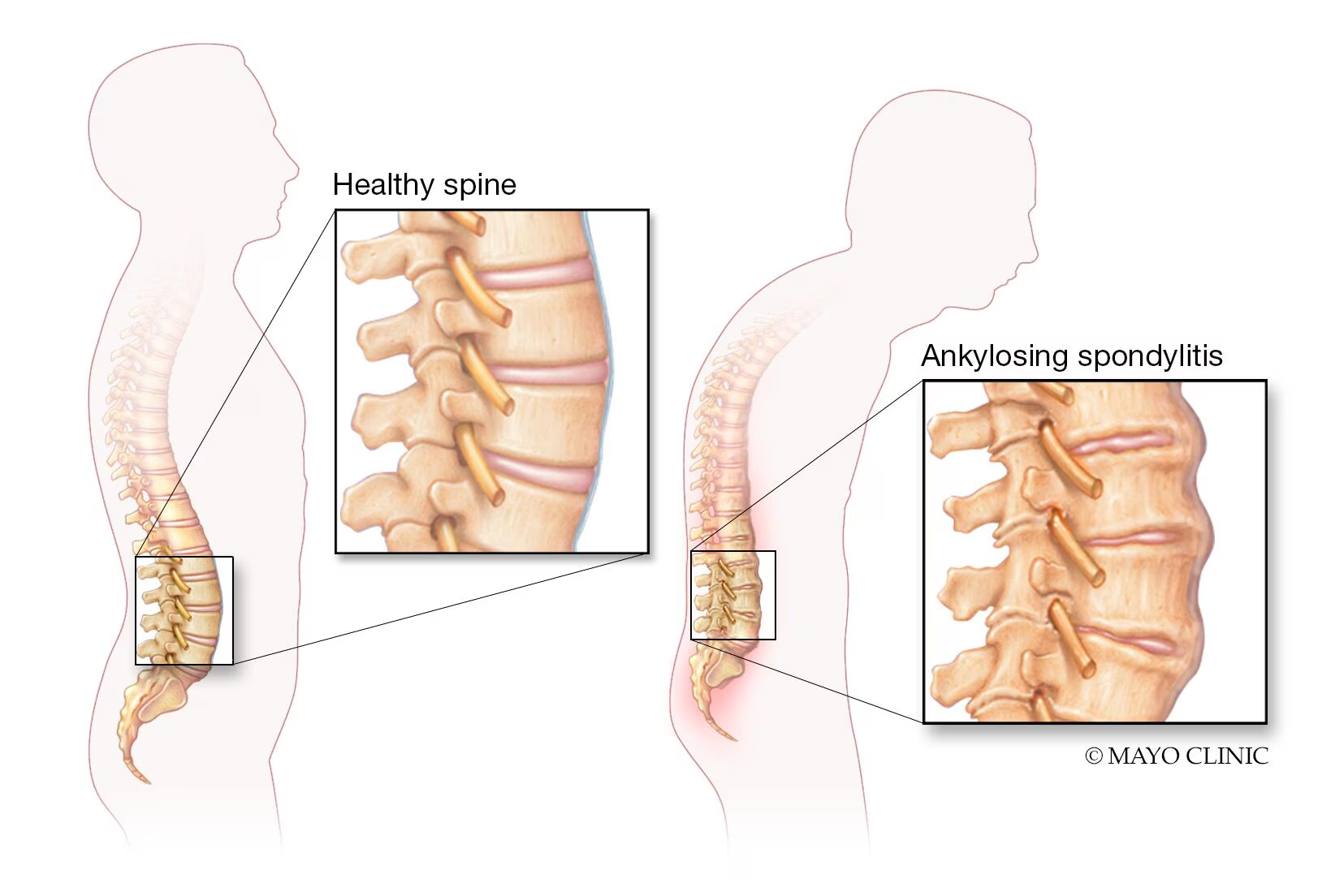
Ankylosing spondylitis (AS) is a chronic inflammatory disease primarily affecting the spine and sacroiliac joints, which connect the spine to the pelvis. This condition, also called axial spondyloarthritis, leads to pain, stiffness, and eventually the fusion of vertebrae, causing loss of spinal flexibility. It can also affect other areas of the body, including the eyes, hips, shoulders, and even the ribs, which may impact breathing.
Key Features of Ankylosing Spondylitis
- Progressive Nature: AS develops over time and can cause sections of the spine to fuse, resulting in a hunched posture and significant stiffness.
- Age of Onset: Symptoms typically begin in late adolescence or early adulthood, usually before age 45.
- Systemic Inflammation: Beyond the spine, AS can affect other parts of the body, including the eyes (causing uveitis), heart, and major joints.
Types of Axial Spondyloarthritis
- Ankylosing Spondylitis (AS):
- Visible on X-rays due to structural changes like bone fusion.
- Typically more advanced with noticeable physical symptoms.
- Nonradiographic Axial Spondyloarthritis:
- Not seen on X-rays but diagnosed through symptoms, blood tests, and MRI.
- Often an earlier stage of the condition.
Symptoms
Early Signs
- Persistent back pain and stiffness, especially in the lower back and hips.
- Pain is often worse in the morning or after periods of inactivity and improves with exercise.
Commonly Affected Areas
- Spine and lower back: Chronic stiffness and pain.
- Pelvis: Inflammation at the sacroiliac joint.
- Heels: Pain and inflammation at tendon attachments.
- Chest: Stiffness in the cartilage connecting the ribs to the breastbone.
- Neck, hips, and shoulders: Reduced range of motion.
Advanced Symptoms
- Difficulty breathing due to limited rib movement.
- Fatigue and general discomfort.
- In severe cases, significant postural changes, including a stooped spine.
When to Seek Medical Attention
Consult a healthcare professional if you experience:
- Persistent low back or buttock pain that improves with exercise but worsens with rest.
- Morning stiffness lasting more than 30 minutes.
- Eye pain, redness, or sensitivity to light, which may indicate uveitis.
- Breathing difficulties or new heart-related symptoms.
Causes
The exact cause of ankylosing spondylitis is unknown, but genetics play a major role. The HLA-B27 gene is strongly linked to AS:
- Presence of HLA-B27 increases risk, but not all carriers develop the condition.
- Environmental factors and immune system triggers may contribute.
Risk Factors
- Genetics: Most people with AS carry the HLA-B27 gene.
- Age: Onset is most common between late teens and early 40s.
- Sex: AS is more prevalent in men, though women can also develop the disease.
- Family History: Having close relatives with AS increases risk.
Complications
- Spinal Fusion:
- Formation of new bone causes sections of the spine to become rigid, limiting movement.
- Fusion in the ribcage may restrict lung function.
- Eye Inflammation (Uveitis):
- A common complication causing eye pain, redness, blurred vision, and light sensitivity.
- Compression Fractures:
- Weakening of bones can lead to fractures, increasing the risk of spinal cord injury.
- Cardiovascular Problems:
- Inflammation can damage the aorta, affecting heart valve function and increasing heart disease risk.
Diagnosis
Diagnosing ankylosing spondylitis involves:
- Physical Exam: Checking for reduced spinal flexibility and tenderness.
- Imaging Tests:
- X-rays to detect bone changes.
- MRI for earlier detection of inflammation.
- Blood Tests:
- Presence of the HLA-B27 gene.
- Markers of inflammation such as C-reactive protein (CRP) and erythrocyte sedimentation rate (ESR).
Treatment
Although there is no cure for ankylosing spondylitis, treatment focuses on managing symptoms, reducing inflammation, and maintaining mobility.
Medications
- Nonsteroidal Anti-Inflammatory Drugs (NSAIDs):
- First-line treatment to relieve pain and reduce inflammation.
- Examples include ibuprofen and naproxen.
- Biologic Drugs:
- Target specific parts of the immune system.
- Tumor Necrosis Factor (TNF) inhibitors and Interleukin-17 (IL-17) inhibitors.
- Corticosteroids:
- Used for short-term inflammation control.
- Disease-Modifying Antirheumatic Drugs (DMARDs):
- Help manage peripheral joint symptoms.
Physical Therapy
- Improves posture and flexibility.
- Strengthens muscles to support joints.
Lifestyle Changes
- Regular exercise: Activities like swimming and yoga improve flexibility and strength.
- Healthy diet: Maintain a balanced diet rich in calcium and vitamin D.
- Quit smoking: Smoking exacerbates inflammation and increases cardiovascular risks.
Surgery
- Recommended for severe cases:
- Joint replacement surgery for damaged hips.
- Procedures to correct severe spinal deformities.
Prevention and Management
While AS cannot be prevented, you can manage symptoms and slow disease progression:
- Stay active: Regular movement prevents stiffness.
- Practice good posture: Avoid slouching to reduce spinal complications.
- Manage stress and inflammation with mindfulness techniques.
- Monitor symptoms: Regular checkups help identify complications early.
Living with Ankylosing Spondylitis
Ankylosing spondylitis can significantly impact daily life, but with proper care, most people can lead fulfilling lives. Early diagnosis and treatment are crucial for maintaining mobility and preventing complications. Partnering with a healthcare team, engaging in physical therapy, and adopting healthy habits can make a substantial difference.


