Mental Health Centers in the United States play a vital role in treating depression, anxiety, trauma-related conditions, bipolar disorder, eating disorders, substance use disorders, personality disorders, obsessive-compulsive disorder, and other behavioral health concerns. They also support families, employers, schools, hospitals, courts, and communities by providing crisis care, inpatient treatment, outpatient therapy, residential programs, medication management, and long-term recovery support.
The U.S. mental-health system includes psychiatric hospitals, academic medical centers, community mental-health centers, private residential programs, outpatient clinics, addiction-treatment providers, teletherapy platforms, nonprofit systems, and specialized youth or family programs. Leading names such as McLean Hospital, The Menninger Clinic, Sheppard Pratt, Johns Hopkins, Mayo Clinic, Rogers Behavioral Health, Hazelden Betty Ford, and Skyland Trail serve different patient needs.
Demand for care has grown as more Americans seek support, while providers face workforce shortages, insurance barriers, high out-of-pocket costs, and limited inpatient capacity. The best centers combine evidence-based treatment, licensed clinicians, psychiatric expertise, individualized care plans, family involvement, safety planning, and strong aftercare.
This guide profiles leading Mental Health Centers in the United States and explains how patients and families can choose the right provider. This article is informational only and should not replace care from a licensed mental-health professional.
Industry Overview: Mental Health Centers in the United States
The U.S. mental-health sector is broad. Some centers provide short-term inpatient stabilization. Others offer residential treatment, partial hospitalization, intensive outpatient programs, outpatient psychiatry, therapy, addiction recovery, trauma treatment, or specialized care for children and adolescents.
The 988 Lifeline is a national crisis support system funded by SAMHSA. It supports people experiencing mental-health distress, substance-use concerns, or emotional crisis.
Major psychiatric hospitals remain important for complex cases. Academic programs such as McLean Hospital, Johns Hopkins, and Mayo Clinic combine clinical treatment with research and training. Private centers such as Menninger and Skyland Trail are known for residential or intensive treatment models. Specialty providers such as Rogers Behavioral Health focus heavily on OCD, anxiety, eating disorders, mood disorders, and addiction programs.
Ranking Methodology
This directory evaluates mental-health centers based on reputation, clinical specialization, service range, academic or institutional credibility, patient access, treatment levels, public information, evidence-based care, and usefulness for different patient needs.
This is not a medical endorsement. Patients should verify licensing, accreditation, insurance coverage, clinician credentials, program fit, safety policies, costs, and whether the center treats their specific condition.
The Best Mental Health Centers in the United States
McLean Hospital
Overview
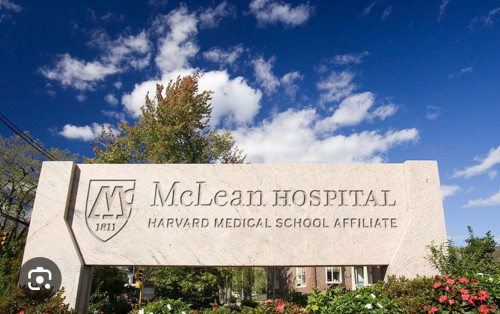
McLean Hospital in Belmont, Massachusetts, is one of the most respected psychiatric hospitals in the United States. It is affiliated with Mass General Brigham and Harvard Medical School and is known for psychiatric care, research, and education. Mass General Brigham describes McLean as a world leader in mental health care, research, and education.
Services Offered
Inpatient care, residential treatment, outpatient programs, addiction treatment, mood disorder care, anxiety treatment, OCD programs, trauma-related care, child and adolescent services, and psychiatric evaluation.
Patients Served
Adults, adolescents, children, families, patients with complex psychiatric needs, and people seeking specialized treatment.
Notable Features
McLean is consistently recognized among leading U.S. psychiatric hospitals.
Competitive Advantages
Its advantage is academic depth, specialty programs, and strong psychiatric research.
Headquarters
Belmont, Massachusetts.
Website
mcleanhospital.org
Why It Stands Out
McLean stands out for advanced psychiatric care, specialty programs, and academic credibility.
The Menninger Clinic
Overview
The Menninger Clinic in Houston is a nationally known psychiatric treatment center with a long history in complex mental-health care. Baylor College of Medicine notes that Menninger has provided treatment for more than 250,000 patients from the U.S. and around the world.
Services Offered
Inpatient psychiatric assessment, residential treatment, outpatient programs, adolescent treatment, addiction-related care, trauma treatment, mood disorder care, anxiety treatment, and personality disorder treatment.
Patients Served
Adults, adolescents, families, patients with complex diagnoses, and people needing intensive psychiatric evaluation.
Notable Features
Menninger is known for comprehensive assessment and intensive treatment programs.
Competitive Advantages
Its advantage is depth in complex psychiatric diagnosis and structured treatment.
Headquarters
Houston, Texas.
Website
menningerclinic.org
Why It Stands Out
Menninger stands out for patients needing intensive psychiatric care, assessment, and residential treatment.
Sheppard Pratt
Overview
Sheppard Pratt is one of the best-known nonprofit mental-health systems in the United States. Based in Maryland, it provides psychiatric hospitals, residential programs, outpatient services, special education, crisis services, and community-based behavioral health care.
Services Offered
Inpatient psychiatry, outpatient therapy, residential treatment, crisis services, autism services, addiction treatment, trauma care, child and adolescent programs, and community mental-health support.
Patients Served
Children, adolescents, adults, families, schools, and communities.
Notable Features
Sheppard Pratt says it has been consistently ranked among top U.S. psychiatric hospitals for decades.
Competitive Advantages
Its advantage is a broad continuum of care across hospitals, residential programs, and community services.
Headquarters
Towson, Maryland.
Website
sheppardpratt.org
Why It Stands Out
Sheppard Pratt stands out for comprehensive behavioral healthcare and nonprofit psychiatric leadership.
Johns Hopkins Psychiatry and Behavioral Sciences
Overview
Johns Hopkins Psychiatry and Behavioral Sciences is part of Johns Hopkins Medicine and offers psychiatric care, research, teaching, and specialty behavioral-health services. It is especially relevant for patients seeking academic medical expertise.
Services Offered
Psychiatric evaluation, inpatient care, outpatient psychiatry, therapy, mood disorder care, anxiety care, addiction services, child and adolescent psychiatry, geriatric psychiatry, and specialty programs.
Patients Served
Adults, children, adolescents, older adults, medically complex patients, and specialty referrals.
Notable Features
The program is connected to one of America’s major academic medical systems.
Competitive Advantages
Its advantage is integration with medical specialties, research, and academic psychiatry.
Headquarters
Baltimore, Maryland.
Website
hopkinsmedicine.org
Why It Stands Out
Johns Hopkins stands out for academic psychiatric care and complex behavioral-health evaluation.
Mayo Clinic Psychiatry and Psychology
Overview
Mayo Clinic Psychiatry and Psychology provides mental-health assessment and treatment within one of the country’s leading academic medical systems. It is useful for patients whose mental-health symptoms overlap with medical conditions.
Services Offered
Psychiatric evaluation, medication management, psychotherapy, inpatient and outpatient care, addiction treatment, pain-related behavioral care, child and adolescent psychiatry, and integrated medical-psychiatric care.
Patients Served
Adults, children, adolescents, patients with medical complexity, and people needing coordinated specialty care.
Notable Features
Mayo’s model supports multidisciplinary review when mental and physical health concerns overlap.
Competitive Advantages
Its advantage is integrated care across psychiatry, psychology, neurology, primary care, and specialty medicine.
Headquarters
Rochester, Minnesota.
Website
mayoclinic.org
Why It Stands Out
Mayo Clinic stands out for patients who need mental-health care connected to broader medical evaluation.
Rogers Behavioral Health
Overview
Rogers Behavioral Health is a major behavioral-health provider known for specialized treatment programs in OCD, anxiety, depression, eating disorders, trauma-related conditions, addiction, and child/adolescent mental health.
Services Offered
Residential treatment, partial hospitalization, intensive outpatient programs, outpatient therapy, addiction programs, eating disorder care, OCD treatment, anxiety treatment, and depression programs.
Patients Served
Children, teens, adults, families, and patients needing structured specialty programs.
Notable Features
Rogers is widely known for OCD and anxiety treatment programs.
Competitive Advantages
Its advantage is specialized, structured behavioral-health programming across multiple levels of care.
Headquarters
Oconomowoc, Wisconsin.
Website
rogersbh.org
Why It Stands Out
Rogers stands out for OCD, anxiety, eating disorder, mood disorder, and intensive outpatient/residential care.
Hazelden Betty Ford Foundation
Overview
Hazelden Betty Ford is one of the most recognized addiction and behavioral-health treatment organizations in the United States. It is especially relevant for patients whose mental-health needs overlap with substance-use recovery.
Services Offered
Residential addiction treatment, outpatient treatment, detox support, recovery programs, family programs, mental-health services, youth programs, and telehealth.
Patients Served
Adults, young adults, teens, families, professionals, and people with co-occurring mental-health and substance-use concerns.
Notable Features
Hazelden Betty Ford is known nationally for addiction treatment, recovery support, and professional education.
Competitive Advantages
Its advantage is long-standing addiction-treatment expertise and national brand recognition.
Headquarters
Center City, Minnesota.
Website
hazeldenbettyford.org
Why It Stands Out
Hazelden Betty Ford stands out for addiction recovery and co-occurring mental-health treatment.
Skyland Trail
Overview
Skyland Trail in Atlanta is a nonprofit mental-health treatment organization offering residential and day treatment for adults and adolescents. It is known for a structured, recovery-focused model.
Services Offered
Residential treatment, day treatment, psychiatric care, therapy, family support, adolescent programs, mood disorder treatment, anxiety treatment, trauma-informed care, and life-skills support.
Patients Served
Adults, adolescents, families, and people needing structured treatment beyond weekly outpatient therapy.
Notable Features
Skyland Trail emphasizes recovery, community, skills-building, and individualized treatment.
Competitive Advantages
Its advantage is nonprofit residential and day-treatment programming with a strong therapeutic structure.
Headquarters
Atlanta, Georgia.
Website
skylandtrail.org
Why It Stands Out
Skyland Trail stands out for residential and day-treatment mental-health care in a nonprofit setting.
Industry Trends Affecting Mental Health Centers in the United States
Higher Demand for Care
More people are seeking mental-health support, but access remains uneven. Waitlists, provider shortages, and insurance barriers continue to affect care.
Growth of Telehealth
Teletherapy and telepsychiatry have expanded access, especially for routine therapy and medication follow-up. However, higher-acuity patients may still need in-person or intensive care.
More Focus on Integrated Care
Mental health is increasingly connected to primary care, neurology, pain management, addiction medicine, and chronic disease care.
Youth Mental Health Pressure
Children and teens need specialized care that includes family involvement, school coordination, and age-appropriate treatment.
Evidence-Based Treatment Demand
Patients and families increasingly ask whether programs use evidence-based therapies, measurement-based care, and clear treatment goals.
Buyer’s Guide: How to Choose Mental Health Centers
Start With the Level of Care
Patients may need outpatient therapy, intensive outpatient care, partial hospitalization, residential treatment, inpatient stabilization, or emergency help. The right level depends on symptoms, safety, diagnosis, and functioning.
Verify Credentials
Check whether psychiatrists, psychologists, therapists, nurses, and social workers are licensed and experienced in the condition being treated.
Ask About Treatment Methods
Look for evidence-based therapies such as CBT, DBT, exposure-based therapies for OCD/anxiety, family therapy, medication management, trauma-informed care, and substance-use treatment where appropriate.
Understand Cost and Insurance
Mental-health care can be expensive. Ask whether the center accepts insurance, what is out-of-network, what prior authorization is needed, and what costs are paid directly.
Review Aftercare Planning
Good centers prepare patients for life after discharge through outpatient referrals, safety planning, medication follow-up, family education, and relapse-prevention support.
Watch for Red Flags
Red flags include vague treatment plans, unclear pricing, unlicensed staff, pressure to admit quickly, no discharge plan, unrealistic promises, weak family communication, and no crisis process.
Why Mental Health Centers Matter in the United States
Mental Health Centers matter because mental wellbeing affects school, work, relationships, physical health, family stability, and community safety. Strong centers help people understand symptoms, receive treatment, build coping skills, improve functioning, and reconnect with support systems.
They also reduce pressure on emergency rooms, courts, schools, and hospitals by providing specialized care before problems escalate. The best centers combine compassion, clinical skill, ethical standards, family involvement, and long-term planning.
Conclusion
The Best Mental Health Centers in the United States include academic psychiatric hospitals, nonprofit systems, residential programs, addiction-treatment centers, and specialty behavioral-health providers. McLean Hospital, The Menninger Clinic, Sheppard Pratt, Johns Hopkins, Mayo Clinic, Rogers Behavioral Health, Hazelden Betty Ford, and Skyland Trail each stand out for different patient needs.
The best choice depends on diagnosis, age, safety, budget, insurance, location, and level of care. Patients and families should prioritize licensed clinicians, evidence-based treatment, clear communication, transparent pricing, and strong aftercare. Mental Health Centers are most effective when they treat the whole person, not just symptoms.
Frequently Asked Questions
What are the best mental health centers in the United States?
Some of the best-known mental health centers in the United States include McLean Hospital, The Menninger Clinic, Sheppard Pratt, Johns Hopkins Psychiatry and Behavioral Sciences, Mayo Clinic Psychiatry and Psychology, Rogers Behavioral Health, Hazelden Betty Ford, and Skyland Trail. The best choice depends on diagnosis, age, location, insurance, and whether the patient needs outpatient therapy, inpatient care, residential treatment, or addiction support.
What is a mental health center?
A mental health center is a facility or program that provides treatment for emotional, behavioral, psychiatric, or substance-use concerns. Services may include therapy, psychiatric evaluation, medication management, inpatient care, residential treatment, intensive outpatient programs, group therapy, family therapy, and crisis support.
What is the difference between inpatient and outpatient mental-health care?
Inpatient care is hospital-based and usually used when a person needs close monitoring and stabilization. Outpatient care allows patients to live at home while attending therapy or psychiatry appointments. Between the two are residential treatment, partial hospitalization, and intensive outpatient programs.
How do I choose a mental health center?
Start by identifying the level of care needed. Then check credentials, specialties, insurance coverage, reviews, treatment approach, staff qualifications, safety policies, and aftercare planning. A center that treats depression may not be the best fit for OCD, trauma, addiction, eating disorders, or adolescent care.
Are mental health centers covered by insurance?
Some are covered, but coverage varies widely. Insurance may cover inpatient care, outpatient therapy, psychiatry, or intensive programs, but residential treatment can be more complicated. Always ask the center and insurer for written benefit details.
What is residential mental-health treatment?
Residential treatment provides structured care in a live-in setting. It is less restrictive than a hospital but more intensive than outpatient therapy. It may include individual therapy, group therapy, psychiatry, skills training, family support, and daily programming.
What is an intensive outpatient program?
An intensive outpatient program, or IOP, provides structured treatment several days per week while the patient lives at home. It can be useful for people who need more support than weekly therapy but do not need inpatient hospitalization.
What is partial hospitalization?
Partial hospitalization, or PHP, is a day-treatment program that provides several hours of care on most weekdays. Patients return home or to housing after programming. PHP is often used as a step-down from inpatient care or as an alternative to hospitalization.
What should families ask before admission?
Families should ask about diagnosis, level of care, treatment plan, staff credentials, medication management, family involvement, communication rules, discharge planning, costs, insurance, and what happens if symptoms worsen.
What are red flags in a mental health center?
Red flags include unclear pricing, unlicensed staff, vague treatment plans, pressure to admit without assessment, no family communication policy, no aftercare plan, unrealistic promises, poor safety procedures, and unwillingness to explain treatment methods.
Can mental health centers treat addiction?
Some centers treat addiction, but not all. Patients with substance-use concerns should look for programs experienced in co-occurring disorders, meaning addiction plus mental-health conditions. Hazelden Betty Ford is one example of a major addiction-treatment provider.
Are academic psychiatric hospitals better?
Academic hospitals may be better for complex cases, rare diagnoses, second opinions, research-linked care, or patients needing medical coordination. Private or nonprofit centers may be better for residential care, longer treatment, or specialized therapy programs. The right choice depends on the patient.
When should someone seek urgent mental-health help?
Urgent help is needed when someone may be in immediate danger, unable to stay safe, severely confused, or experiencing symptoms that require immediate professional support. In the United States, call 911 or contact 988 for crisis support.
Do mental health centers treat teenagers?
Yes, some centers have adolescent programs, but not all adult programs treat teens. Teen care should include age-appropriate therapy, family involvement, school coordination, and clinicians trained in adolescent mental health.
Is teletherapy enough?
Teletherapy can be helpful for many people, especially for routine therapy and follow-up care. It may not be enough for people who need intensive support, medical monitoring, residential care, or emergency intervention. A clinician can help determine the right level of care.