The Best Pharmacies in the United States do far more than dispense prescriptions. They help patients manage chronic conditions, access vaccines, compare medication costs, transfer prescriptions, receive pharmacist counseling, order refills online, arrange delivery, and navigate insurance rules. For many Americans, the local pharmacy is one of the most frequently used parts of the healthcare system.
The U.S. pharmacy market includes national chains, grocery-store pharmacies, warehouse-club pharmacies, independent community pharmacies, online pharmacies, mail-order pharmacies, specialty pharmacies, hospital outpatient pharmacies, and long-term-care pharmacy providers. CVS Health reported about 9,000 retail pharmacy locations as of March 31, 2026, while Walgreens continues to operate one of the country’s largest retail pharmacy networks and recently said it would keep more than 4,000 pharmacy locations open on July 4, 2026.
Demand is shaped by prescription drug costs, insurance coverage, chronic disease, vaccines, aging populations, pharmacy closures, mail-order growth, and patients wanting faster digital access. The strongest pharmacies combine convenience with safety, pharmacist access, prescription accuracy, affordable pricing, immunizations, specialty care, and reliable medication supply.
This guide profiles the Best Pharmacies in the United States, explains the pharmacy industry, and helps patients choose the right provider. It is informational only and should not replace advice from a licensed pharmacist, doctor, or healthcare professional.
Industry Overview: Best Pharmacies in the United States
The U.S. pharmacy industry is large, competitive, and changing quickly. Retail chains remain important, but online refills, same-day delivery, specialty drugs, insurance networks, and pharmacy benefit managers have changed how patients receive medications.
Large chains such as CVS, Walgreens, Walmart, Costco, Kroger, Publix, and Amazon Pharmacy serve millions of patients. CVS describes itself as a health solutions company offering pharmacy services, health plans, and wellness services. Walgreens offers online prescription refills, vaccinations, contact lenses, and health products through its pharmacy platform.
The market also faces pressure. Some communities are losing local pharmacies, creating pharmacy deserts where patients must travel farther for medication access. Recent reporting has highlighted pharmacy closures in underserved areas, including Walgreens store closures in Milwaukee that increased concerns about access.
Ranking Methodology
This directory evaluates pharmacies based on accessibility, prescription services, insurance acceptance, pharmacist support, digital tools, delivery options, pricing programs, specialty pharmacy capability, vaccination services, customer convenience, and national relevance.
This is not a medical endorsement. Patients should verify insurance coverage, medication availability, local store quality, pharmacist access, delivery rules, controlled-substance policies, and state regulations before choosing a pharmacy.
The Best Pharmacies in the United States
CVS Pharmacy
Overview
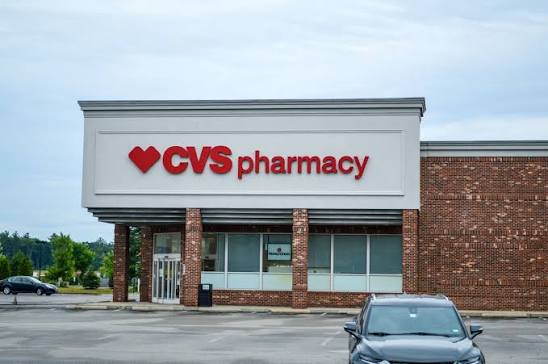
CVS Pharmacy is one of the largest and most recognized pharmacy chains in the United States. It is part of CVS Health, which combines retail pharmacy, insurance, pharmacy benefit management, clinics, and broader healthcare services. CVS Health reported approximately 9,000 retail pharmacy locations as of March 31, 2026.
Services Offered
CVS offers prescription filling, refills, prescription transfers, vaccinations, medication counseling, online prescription management, delivery options, specialty pharmacy, MinuteClinic services in selected locations, and chronic-care support.
Patients Served
CVS serves individuals, families, seniors, employer-plan members, Medicare patients, chronic-disease patients, and people seeking convenient retail pharmacy access.
Notable Features
CVS has strong digital tools, broad insurance participation, and a large national footprint.
Competitive Advantages
Its advantage is integration. Patients may access retail pharmacy, insurance services, clinics, and specialty support through one healthcare ecosystem.
Headquarters
Woonsocket, Rhode Island.
Website
cvs.com
Why It Stands Out
CVS stands out for scale, convenience, digital prescription tools, insurance integration, and broad national access.
Walgreens
Overview
Walgreens is one of America’s best-known retail pharmacy chains. It offers prescription refills, vaccinations, online account management, health and wellness products, contact lenses, and pharmacist support.
Walgreens remains important because of its large U.S. footprint, though the company has also been reshaping its store base. In June 2026, Walgreens said it would keep more than 4,000 pharmacy locations open on July 4 to support prescription and pharmacist access.
Services Offered
Walgreens provides prescription filling, refills, transfers, vaccines, specialty pharmacy, online pharmacy tools, delivery or pickup options, medication counseling, and health services in selected markets.
Patients Served
Walgreens serves families, seniors, chronic-care patients, insured and uninsured customers, travelers, and patients needing convenient pharmacy access.
Notable Features
Walgreens Specialty Pharmacy received NABP specialty pharmacy reaccreditation through August 16, 2028.
Competitive Advantages
Its advantage is brand recognition, pharmacy access, vaccination availability, and specialty pharmacy support.
Headquarters
Deerfield, Illinois.
Website
walgreens.com
Why It Stands Out
Walgreens stands out for national pharmacy access, immunizations, digital prescription tools, and specialty pharmacy services.
Walmart Pharmacy
Overview
Walmart Pharmacy is a major U.S. pharmacy provider because it combines prescription services with Walmart’s huge retail footprint. For many patients, especially in suburban and rural communities, Walmart is one of the most accessible places to fill prescriptions while shopping for everyday goods.
Services Offered
Walmart Pharmacy offers prescription filling, refills, transfers, low-cost generic medications, immunizations, medication counseling, pet medications, and online prescription management.
Patients Served
Walmart serves families, rural customers, budget-conscious patients, seniors, uninsured patients, and shoppers who want pharmacy access inside a large retail store.
Notable Features
Walmart is often valued for pricing transparency and access in areas where standalone pharmacies may be limited.
Competitive Advantages
Its advantage is affordability and convenience.
Headquarters
Bentonville, Arkansas.
Website
walmart.com/pharmacy
Why It Stands Out
Walmart Pharmacy stands out for accessible pricing, broad retail reach, and convenience for everyday prescription needs.
Costco Pharmacy
Overview
Costco Pharmacy is highly regarded by many patients for competitive prescription pricing, mail-order options, and member-focused savings. Costco’s Member Prescription Program is not insurance; it is a discount card program that may help eligible members and dependents obtain lower prices at participating pharmacies.
Services Offered
Costco offers prescription filling, refills, mail-order pharmacy, immunizations, pet medications, prescription transfers, online prescription management, and health consultations.
Patients Served
Costco serves members, families, seniors, cash-paying patients, pet owners, and people comparing prescription prices.
Notable Features
Costco Pharmacy offers online prescription management and mail-order support.
Competitive Advantages
Its advantage is prescription affordability, especially for patients who compare cash prices and discount programs.
Headquarters
Issaquah, Washington.
Website
costco.com/pharmacy
Why It Stands Out
Costco Pharmacy stands out for competitive pricing, mail-order options, and value-focused prescription access.
Kroger Pharmacy
Overview
Kroger Pharmacy operates inside one of the largest grocery retail networks in the United States. It is especially useful for patients who prefer to combine grocery shopping with prescription pickup.
Services Offered
Kroger offers prescription refills, transfers, vaccines, medication counseling, savings programs, health screenings in selected locations, and online prescription management.
Patients Served
Kroger serves families, grocery shoppers, seniors, chronic-care patients, and people seeking convenient neighborhood pharmacy access.
Notable Features
Kroger pharmacies are integrated into grocery stores, making medication pickup part of routine shopping.
Competitive Advantages
Its advantage is convenience in grocery-based healthcare access.
Headquarters
Cincinnati, Ohio.
Website
kroger.com/health/pharmacy
Why It Stands Out
Kroger Pharmacy stands out for patients who want prescriptions, vaccines, and groceries in one location.
Publix Pharmacy
Overview
Publix Pharmacy is a major grocery-store pharmacy provider in the Southeast. It is known for customer service, prescription refills, immunizations, and convenience for shoppers in Publix markets.
Services Offered
Publix offers prescription filling, refills, transfers, vaccines, medication counseling, online management, and selected savings programs.
Patients Served
Publix serves families, seniors, grocery shoppers, chronic-care patients, and communities across the Southeast.
Notable Features
Publix’s pharmacy model benefits from the company’s strong regional customer-service reputation.
Competitive Advantages
Its advantage is local trust and grocery-store convenience.
Headquarters
Lakeland, Florida.
Website
publix.com/pharmacy
Why It Stands Out
Publix Pharmacy stands out for regional strength, customer service, and convenient prescription access in the Southeast.
Amazon Pharmacy
Overview
Amazon Pharmacy is an online pharmacy option for patients who prefer home delivery, digital ordering, and price comparison. It is especially relevant for people who already use Amazon and want prescription management through an online platform.
Services Offered
Amazon Pharmacy offers prescription delivery, online refills, medication price comparison, automatic refills where available, and pharmacist access.
Patients Served
Amazon Pharmacy serves patients who prefer mail delivery, digital convenience, price comparison, and home-based prescription management.
Notable Features
Amazon Pharmacy is part of Amazon’s broader healthcare and consumer platform.
Competitive Advantages
Its advantage is digital convenience and delivery.
Headquarters
Seattle, Washington.
Website
pharmacy.amazon.com
Why It Stands Out
Amazon Pharmacy stands out for online prescription delivery and digital-first medication management.
Health Mart Independent Pharmacies
Overview
Health Mart is a network of independently owned pharmacies supported by McKesson. It is important because independent pharmacies remain essential in many communities, especially where patients value personal service, local pharmacist relationships, medication synchronization, and flexible care.
Services Offered
Services vary by location but may include prescription filling, refills, vaccines, compounding in selected stores, medication packaging, medication therapy management, delivery, and local pharmacist counseling.
Patients Served
Health Mart pharmacies serve local communities, seniors, chronic-care patients, rural residents, and people who prefer independent pharmacy service.
Notable Features
Health Mart pharmacies are locally owned, so service quality and offerings vary by store.
Competitive Advantages
Its advantage is community connection and personalized pharmacist relationships.
Headquarters
Network supported by McKesson.
Website
healthmart.com
Why It Stands Out
Health Mart stands out because it preserves the independent community pharmacy model while offering broader network support.
Industry Trends Affecting Pharmacies in the United States
Pharmacy Closures and Access Gaps
Closures are increasing concerns about pharmacy deserts, especially in urban underserved areas and rural communities. Patients may lose nearby access to prescriptions, vaccines, and pharmacist advice when stores close.
Pharmacists Providing More Care
Some states are expanding pharmacist authority for testing, treatment, vaccines, contraception, and chronic disease support. Recent reporting noted Arizona’s move to allow pharmacists to test and treat selected common illnesses under strict protocols.
Specialty Pharmacy Growth
Specialty medications for cancer, autoimmune disease, fertility, HIV, multiple sclerosis, and rare diseases require special handling, prior authorization, patient education, and close monitoring.
Digital Refills and Delivery
Patients increasingly expect app-based refills, delivery tracking, text alerts, automatic refills, and easy prescription transfers.
Prescription Cost Pressure
Drug prices and insurance rules remain major concerns. Patients compare cash prices, discount cards, pharmacy savings programs, and mail-order options.
Buyer’s Guide: How to Choose the Best Pharmacy
Check Insurance Network
A pharmacy may be convenient but not preferred by your insurance plan. Always confirm whether it is in-network and whether your copays differ by pharmacy.
Compare Medication Prices
Prices can vary widely between pharmacies. Compare insurance copays, cash prices, discount programs, and mail-order options.
Ask About Availability
Some medications may be delayed because of shortages, insurance authorization, or supply issues. A good pharmacy communicates clearly about expected availability.
Consider Pharmacist Access
Choose a pharmacy where you can speak with a pharmacist about side effects, drug interactions, dosing, and safety questions.
Review Delivery and Refill Options
Patients with chronic conditions may benefit from automatic refills, medication synchronization, 90-day supplies, delivery, and mail-order services.
Watch for Red Flags
Red flags include frequent dispensing errors, poor communication, unclear pricing, long delays without updates, weak privacy practices, and difficulty reaching a pharmacist.
Why Pharmacies Matter in the United States
Pharmacies matter because they are one of the most accessible healthcare touchpoints in the country. Patients often see pharmacists more frequently than doctors, especially for chronic medications, vaccines, over-the-counter advice, and medication safety questions.
Pharmacies also support public health through immunizations, medication adherence, chronic-care support, opioid safety programs, emergency preparedness, and access to essential medicines. In underserved areas, a local pharmacy may be the closest healthcare resource.
Conclusion
The Best Pharmacies in the United States include large national chains, grocery-store pharmacies, warehouse-club pharmacies, online pharmacies, and independent community pharmacies. CVS and Walgreens stand out for national reach. Walmart and Costco are strong for affordability and convenience. Kroger and Publix are important grocery-based pharmacy options. Amazon Pharmacy is strong for digital delivery. Health Mart represents the value of independent community pharmacies.
The best pharmacy depends on the patient’s needs. A chronic-care patient may need strong refill management. A senior may need pharmacist counseling and medication synchronization. A budget-conscious patient may prioritize cash pricing. A busy patient may prefer delivery. In every case, the right pharmacy should offer safety, access, affordability, clear communication, and trustworthy pharmacist support.
Frequently Asked Questions
What are the best pharmacies in the United States?
Some of the best-known pharmacies in the United States include CVS Pharmacy, Walgreens, Walmart Pharmacy, Costco Pharmacy, Kroger Pharmacy, Publix Pharmacy, Amazon Pharmacy, and Health Mart independent pharmacies. The best choice depends on insurance, medication cost, location, delivery options, pharmacist access, and whether the patient needs routine prescriptions, vaccines, specialty medication, or mail-order service.
What is the largest pharmacy chain in the United States?
CVS Pharmacy and Walgreens are among the largest pharmacy chains in the United States. CVS Health reported about 9,000 retail pharmacy locations as of March 31, 2026. Walgreens also operates one of the country’s largest pharmacy networks and remains a major national provider.
Is CVS better than Walgreens?
CVS and Walgreens are both major national pharmacy chains. CVS may be attractive for patients who use CVS Health insurance or MinuteClinic services, while Walgreens may be preferred by patients who value its local access, vaccines, and specialty pharmacy services. The better choice depends on insurance, location, medication availability, prices, and local store quality.
Is Walmart Pharmacy cheaper than CVS or Walgreens?
Walmart Pharmacy can be cheaper for some medications, especially selected generics and cash-pay prescriptions. However, prices depend on the medication, insurance plan, discount program, and location. Patients should compare prices before filling expensive prescriptions.
Is Costco Pharmacy worth using?
Costco Pharmacy can be a strong option for patients looking for competitive prices, mail-order service, and discount programs. Costco’s Member Prescription Program is not insurance, but it may help eligible members access lower prices.
Can I use Costco Pharmacy without a membership?
Rules can vary by state and service. In many cases, pharmacy access may be available even to non-members, but discount programs may require membership. Patients should call their local Costco Pharmacy to confirm current rules.
Are online pharmacies safe?
Online pharmacies can be safe when they are licensed, legitimate, and require valid prescriptions. Patients should avoid websites that sell prescription medicines without a prescription or offer suspiciously cheap medications. Use pharmacies connected to recognized providers or verified pharmacy programs.
What is a specialty pharmacy?
A specialty pharmacy handles complex medications that may require refrigeration, prior authorization, injection training, side-effect monitoring, or close coordination with doctors. Specialty medications are often used for cancer, autoimmune disease, HIV, fertility, multiple sclerosis, and rare diseases.
What should I ask a pharmacist?
Ask about dosage, side effects, drug interactions, food interactions, missed doses, storage, refills, generic alternatives, and whether the medicine should be taken with or without food. Pharmacists are trained medication experts and can help patients use prescriptions safely.
Why are prescription prices different at each pharmacy?
Prices vary because of insurance contracts, pharmacy benefit managers, manufacturer pricing, discount cards, cash-pay policies, location, supply, and whether a pharmacy is preferred by the insurer. Patients should compare prices before filling costly medications.
What is mail-order pharmacy?
Mail-order pharmacy delivers medications to a patient’s home, often in 30-day or 90-day supplies. It can be convenient for maintenance medications such as blood pressure, cholesterol, thyroid, or diabetes medicines. It may not be ideal for urgent prescriptions.
What are pharmacy deserts?
Pharmacy deserts are areas where residents have limited access to nearby pharmacies. Closures can make it harder for people to get prescriptions, vaccines, and pharmacist advice, especially in low-income, rural, or transportation-limited communities.
Can pharmacists give vaccines?
Yes. Pharmacists in the United States commonly provide vaccines, though rules vary by state, age, and vaccine type. Many pharmacies offer flu, COVID-19, shingles, pneumonia, RSV, and travel-related vaccines where authorized.
Can pharmacists prescribe medicine?
In some states and situations, pharmacists can prescribe or furnish certain medications under state rules, protocols, or collaborative agreements. These may include vaccines, contraception, smoking cessation treatments, travel medications, or test-and-treat services. Rules vary widely by state.
How do I transfer a prescription to another pharmacy?
Most pharmacies allow prescription transfers online, by phone, or in person. The new pharmacy usually contacts the old pharmacy to request the transfer. Some medications may have restrictions, so patients should ask the pharmacist.
What are red flags when choosing a pharmacy?
Red flags include repeated delays, poor communication, unclear pricing, frequent prescription errors, difficulty reaching a pharmacist, weak privacy practices, and poor handling of medication shortages. A good pharmacy should be accurate, transparent, and responsive.
Read Also: Best Ambulance Services in the United States