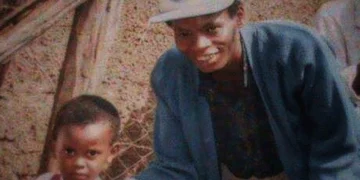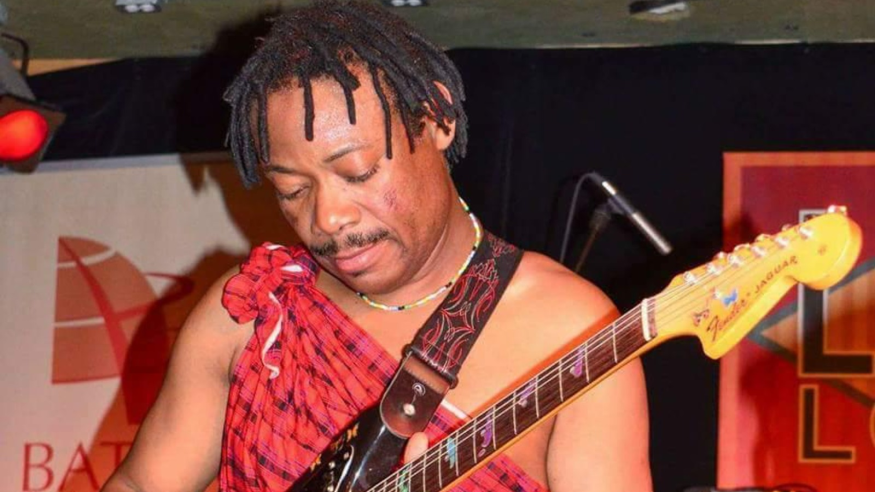
Adam Ndaro is one of the Kenyan musicians whose story shows how African music travels, adapts, and survives across borders. Born in Mombasa, Kenya, Ndaro grew up in a coastal musical environment shaped by community celebrations, traditional instruments, dance rhythms, and live performance. Long before he became known internationally as a guitarist, he was already learning music through the sounds of kivoti, a flute, and kayaamba, a shaker commonly associated with coastal performance traditions.
His journey from village celebrations to Canadian stages reflects more than personal talent. It tells a wider story about Kenyan musicians who carried local sounds into global spaces before digital platforms made international exposure easier. Ndaro built his career through live bands, studio recordings, touring work, collaborations, and cultural preservation. His guitar style connected Kenyan popular music, Congolese influences, coastal rhythms, and pan-African performance.
After moving into the Canadian music scene, Ndaro became associated with major African music circles and earned recognition for his work. He was linked with award-winning projects, including recognition at the Juno Awards, and won honors at the Toronto African Music Awards. These achievements placed him among East African artists who helped introduce African guitar traditions to audiences far from home.
For readers interested in Kenyan music history, Adam Ndaro matters because his career bridges two worlds. He represents the older band culture of Kenya and the international African music movement in Canada. His work also highlights the importance of preserving regional rhythms, especially those connected to the Mijikenda people of Kenya’s coast.
Early Life in Mombasa
Adam Ndaro Solomon was born in Mombasa, a city with a deep musical identity shaped by Swahili culture, coastal traditions, Indian Ocean trade routes, and African rhythm. His early exposure to music came through community events, festivals, and traditional gatherings.
At a young age, he performed using instruments such as the kivoti and kayaamba. These early experiences gave him a foundation in rhythm, timing, melody, and audience connection. Unlike musicians trained only in formal settings, Ndaro’s musical education began in living culture.
That background later influenced his guitar playing. His style carried the feel of coastal music while also fitting into modern African band arrangements.
Building a Career in Kenya’s Band Scene
Before becoming widely known in Canada, Adam Ndaro worked with some of Kenya’s most respected musicians and bands. He played lead guitar and sang on recordings and videos with artists across different generations of East African music.
His credits included work linked to names such as Joseph Kamaru, Daudi Kabaka, Kabasselleh Ochieng, Bana Citoyen, Super Kalles, Bana Batoto, Super Mazembe, Les Wanyika, Fadhili Williams, Juma Toto, and Mombasa Roots Band.
This period was important because Kenya’s live band scene demanded versatility. A guitarist had to understand benga, rumba, coastal sounds, Congolese-style arrangements, and dance-driven popular music. Ndaro’s ability to move across these styles helped him build a strong reputation.
Collaborations With East Africa’s Leading Musicians
Before relocating to Canada, Adam Ndaro built a reputation as one of Kenya’s most accomplished lead guitarists and vocalists. His recording and performance career saw him work with some of the most influential musicians and bands in East and Central Africa.
Over the years, he contributed to recordings, live performances, and music videos alongside artists and groups including Joseph Kamaru, Daudi Kabaka, Zetta Success Band, Kabasselleh Ochieng, Bana Citoyen, Super Kalles, Bana Batoto, Super Mazembe, Les Wanyika, Popo Lipo of Lessa Lessan, Professor Mb. Naaman and the Nine Stars Band, Kanda Bongo Man, Fadhili Williams, Juma Toto, and Mombasa Roots Band.
These collaborations exposed Ndaro to a wide range of musical traditions, from Kenyan benga and coastal sounds to Congolese rumba and soukous. The experience helped shape the distinctive guitar style that would later become a hallmark of his international career.
Touring With African Music Icons
Adam Ndaro’s reputation also earned him opportunities to perform and conduct workshops with some of Africa’s most celebrated artists. His touring credits include performances alongside legendary Congolese singer Papa Wemba and renowned Senegalese artist Ismaël Lô.
Working with such internationally recognized performers expanded his musical horizons and helped introduce audiences outside Africa to the richness of East African guitar traditions.
Taking Kenyan Music to Canada
Adam Ndaro later became part of Canada’s African music scene, where he helped bring East African guitar traditions to new audiences. He was a co-founder of Afronubians, a respected pan-African band in Canada.
With Afronubians, he toured western Canada and contributed to albums such as Tour To Africa and The Great Africans. These projects helped present African music as a broad, connected sound rather than a single regional style.
His work in Canada also connected him with musicians from different parts of Africa. This widened his musical vocabulary while keeping his Kenyan roots central to his identity.
Awards and Recognition
Adam Ndaro’s international work earned notable recognition. He was associated with a 2005 Juno Award-winning project and was also a double winner at the Toronto African Music Awards in 1997, receiving recognition for Best Release and Best New Performer.
These awards matter because they show how African immigrant musicians helped shape Canada’s multicultural music landscape. Ndaro was not only performing for diaspora audiences. He was also helping introduce African music to wider Canadian listeners.
Tikisa and His Solo Music
In 1995, Adam Ndaro formed his own band, Tikisa. Through the group, he continued performing, touring, and developing his own sound.
His solo releases include Safari, released in 1996, and Rocket Express II: African Renaissance Blues, released in 2003. In 2006, Tikisa released Mti wa Maisha, also known as Tree of Life.
In 2007, Ndaro released Roots Rhythms, also known as Magoma Asili. This project paid tribute to the traditional rhythms of the Mijikenda people, the nine coastal communities of Kenya. It remains one of the clearest examples of his commitment to cultural preservation.
Why Adam Ndaro’s Music Matters
Adam Ndaro’s career is important because it connects Kenyan music history with global African performance. He represents a generation of musicians who learned through live performance, studio discipline, and cultural memory.
His story also shows how African musicians abroad often become cultural ambassadors. They preserve old sounds, create new collaborations, and introduce audiences to traditions that might otherwise remain underdocumented.
For Kenya, Ndaro’s work is part of the country’s wider musical export story. For Canada, he is part of the African diaspora artists who enriched the country’s live music scene.
Conclusion
Adam Ndaro’s journey from Mombasa to Canada is a powerful example of talent, cultural pride, and musical endurance. From traditional coastal instruments to lead guitar work with major African musicians, he built a career rooted in skill and identity.
His work with Afronubians, Tikisa, and his solo projects helped carry Kenyan and pan-African sounds into international spaces. More importantly, his dedication to Mijikenda rhythms shows that music can preserve heritage while reaching new audiences.
Adam Ndaro remains a significant figure in the story of Kenyan musicians who took local sound to the world.
FAQs
Who is Adam Ndaro?
Adam Ndaro Solomon is a Kenyan-born musician, guitarist, singer, and bandleader from Mombasa who built a major part of his career in Canada.
What is Adam Ndaro known for?
He is known for his guitar work, pan-African collaborations, solo albums, and efforts to preserve Mijikenda rhythms.
Which band did Adam Ndaro form?
Adam Ndaro formed the band Tikisa in 1995.
What awards has Adam Ndaro received?
He was linked to a 2005 Juno Award-winning project and won honors at the Toronto African Music Awards in 1997.
Why is Adam Ndaro important to Kenyan music?
He helped take Kenyan guitar traditions to Canada while preserving coastal and Mijikenda musical heritage.
Suggested Tags: Adam Ndaro, Kenyan Music, African Guitar, Mijikenda Music