


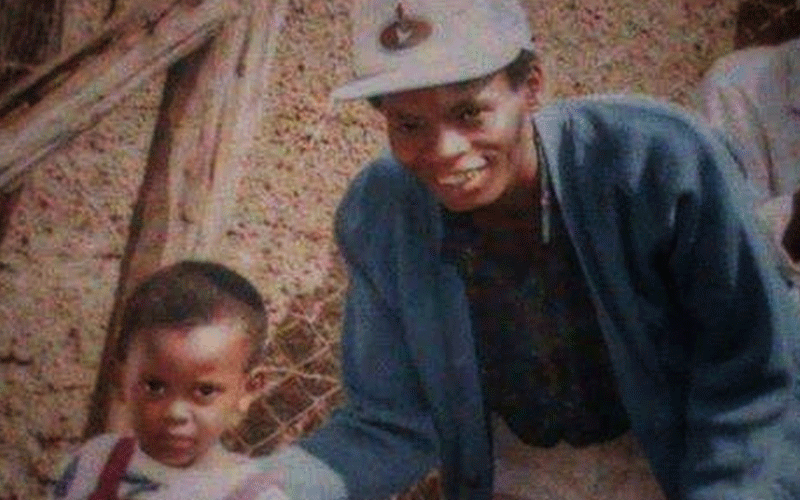
Masanduku Arap Simit was one of Kenya’s earliest and most memorable comic actors, remembered for his sharp humour, expressive performances, and deep connection with ordinary audiences.
Born Samuel Kimani Muya, he became a household name during the golden era of Kenyan television comedy, especially through classic KBC programmes such as Vioja Mahakamani and Vitimbi. At a time when local television was still growing and imported programming dominated many screens, Masanduku helped prove that Kenyan stories, accents, characters, and social realities could entertain the nation.
His comedy was simple on the surface but powerful in meaning. Through exaggerated characters, witty dialogue, physical humour, and cultural expression, he turned everyday Kenyan experiences into memorable entertainment.
Who Was Masanduku Arap Simit?
Masanduku Arap Simit was the stage name of Samuel Kimani Muya, a pioneering Kenyan actor and comedian who rose to fame in the late 1970s, 1980s, and early 1990s.
He was best known for portraying humorous, eccentric, and socially observant characters. His performances often drew from ordinary Kenyan life, including family disagreements, village politics, corruption, courtroom drama, generational conflict, and the small struggles of daily survival.
What made him stand out was his ability to use a Kalenjin-style comic identity while speaking to a national audience. His humour was not limited to one community. Kenyans from different ethnic, social, and regional backgrounds could recognize themselves in his jokes.
He became part of a generation of performers who helped define Kenyan television comedy before the rise of modern stand-up, digital skits, and social media comedians.
Early Career and Rise to Fame
Masanduku Arap Simit emerged during a period when Kenyan television was still heavily shaped by national broadcasting. KBC, then the main television platform for many households, played a major role in introducing local actors to audiences across the country.
His rise came through comedy shows that reflected real Kenyan life. These programmes were often built around familiar settings such as homes, courts, markets, offices, villages, and public spaces. The characters were exaggerated, but the issues were recognizable.
Masanduku’s gift was turning those familiar situations into comedy without losing their social meaning. He could make viewers laugh while also making them reflect on the behaviour of leaders, parents, spouses, neighbours, workers, and ordinary citizens.
His performances helped create a style of Kenyan comedy that was family-friendly, culturally grounded, and rich in social commentary.
Role in Vioja Mahakamani and Vitimbi
Masanduku Arap Simit is strongly remembered for his association with Vioja Mahakamani and Vitimbi, two of Kenya’s most iconic television comedy programmes.
Vioja Mahakamani was built around a courtroom setting, using fictional cases to explore Kenyan social behaviour in a humorous way. The programme gave actors room to perform exaggerated characters while commenting on justice, crime, corruption, family disputes, and public morality.
Vitimbi, on the other hand, became one of Kenya’s most beloved family comedy shows. It featured characters whose struggles and interactions reflected everyday life in Kenyan homes and communities.
Masanduku performed alongside other legendary entertainers such as Mzee Ojwang’, Mama Kayai, and other KBC-era stars who helped shape the identity of Kenyan television comedy.
His presence added cultural variety, comic rhythm, and a distinct voice to the shows. He was not just acting for laughter. He was helping build a national entertainment language.
A Unique Comic Style
Masanduku Arap Simit’s comedy worked because it felt authentic.
He used language, accent, timing, body movement, facial expression, and exaggeration to create characters that audiences could instantly remember. His humour was not dependent on expensive production or complex scripts. It came from performance skill.
His comic identity carried a strong cultural flavour, especially through his Kalenjin-inspired stage persona. But instead of making his comedy narrow, that identity made it richer. He showed that Kenyan entertainment could celebrate ethnic diversity while still speaking to the whole country.
His performances often contained three important elements:
- Humour that was easy to understand
- Social lessons hidden inside comedy
- Characters rooted in real Kenyan culture
That combination made him one of the early masters of local television performance.
Why Masanduku Arap Simit Mattered to Kenyan Comedy
Masanduku Arap Simit mattered because he belonged to the generation that gave Kenyan comedy its foundation.
Today, Kenya has stand-up comedians, online creators, radio personalities, television actors, satirical shows, and digital skit makers. But before all that, performers like Masanduku showed that Kenyan audiences wanted local comedy told in local voices.
He helped prove that a Kenyan character did not need to imitate foreign entertainment to be funny. A comedian could use local speech patterns, cultural references, community habits, and national issues to create powerful humour.
This was important because it gave later comedians permission to be themselves. It opened space for performers to use Sheng, mother tongue accents, regional identities, and everyday Kenyan experiences as material for mainstream entertainment.
Comedy as Social Commentary
Masanduku’s humour was not empty entertainment. Like many great comedians, he used laughter to comment on society.
His characters often reflected real problems: corruption, dishonesty, poverty, domestic conflict, social pressure, pride, ignorance, and abuse of power. But he presented these issues in a light, accessible way that families could watch together.
That made his comedy educational without sounding like a lecture.
Through humour, he helped audiences see their own mistakes. He also allowed Kenyans to laugh at difficult realities, which is one of comedy’s greatest powers.
In this way, Masanduku Arap Simit was not only an entertainer. He was also a cultural commentator.
Working Alongside Kenyan Comedy Legends
Masanduku’s career is often remembered alongside names such as Mzee Ojwang’ and Mama Kayai, who remain among the most respected figures in Kenyan television history.
These performers helped create a golden age of local comedy. They built characters that became part of national memory. Their shows were not just programmes people watched; they became shared family experiences.
In many Kenyan homes, shows like Vioja Mahakamani and Vitimbi were part of weekly life. Families gathered around television sets to watch, laugh, and repeat the jokes later.
Masanduku’s contribution to that culture was significant. He brought energy, difference, and originality to the screen.
His Contribution to Local-Language Entertainment
One of Masanduku Arap Simit’s greatest contributions was helping normalize local identity on national television.
Kenya is a country of many languages, cultures, accents, and traditions. Early television could easily have ignored that diversity in favour of neutral or imported styles. Instead, comedians like Masanduku helped show that cultural difference could be a strength.
By bringing a Kalenjin-flavoured comic character into mainstream entertainment, he helped broaden what Kenyan television could sound like and look like.
This was important for representation. It showed viewers that their own communities, accents, and ways of speaking could appear on national screens.
Legacy and Influence
Masanduku Arap Simit’s legacy continues through Kenya’s vibrant comedy scene.
Modern Kenyan comedians use many tools that early performers helped establish: cultural identity, social satire, everyday language, character-based humour, and performance rooted in local experience.
His influence can also be seen through his son, Nathan Muya Kimani, popularly known as JB Masanduku, who became a comedian and entertainer in his own right.
That family connection gives Masanduku’s legacy another dimension. He did not only entertain a generation; his name also continued into a new era of Kenyan comedy.

Death and Remembrance
Masanduku Arap Simit passed away in 1998.
His death marked the loss of one of Kenya’s pioneering comic voices, but his work continued to live through memory, television history, and the comedians who followed the path he helped create.
Many Kenyans still remember him as part of a classic generation of performers who made local comedy feel real, relatable, and proudly Kenyan.
His name remains associated with a period when comedy was clean, character-driven, and deeply connected to society.
Key Facts About Masanduku Arap Simit
- His real name was Samuel Kimani Muya.
- He was popularly known by his stage name Masanduku Arap Simit.
- He was one of Kenya’s pioneering television comedians.
- He became famous through KBC-era comedy shows.
- He is remembered for Vioja Mahakamani and Vitimbi.
- He acted alongside other Kenyan comedy legends.
- His style carried a strong cultural and local-language identity.
- He used humour to reflect ordinary Kenyan life.
- He helped shape the foundation of Kenyan television comedy.
- He passed away in 1998.
- His son, JB Masanduku, also became a comedian and entertainer.
Frequently Asked Questions
Who was Masanduku Arap Simit?
Masanduku Arap Simit was a Kenyan comic actor and comedian whose real name was Samuel Kimani Muya. He was one of the early pioneers of Kenyan television comedy.
What was Masanduku Arap Simit famous for?
He was famous for his performances in classic Kenyan comedy programmes such as Vioja Mahakamani and Vitimbi.
What was Masanduku Arap Simit’s real name?
His real name was Samuel Kimani Muya.
When did Masanduku Arap Simit die?
Masanduku Arap Simit died in 1998.
Was Masanduku Arap Simit related to JB Masanduku?
Yes. JB Masanduku, whose real name is Nathan Muya Kimani, is the son of the late Masanduku Arap Simit.
Why is Masanduku Arap Simit important in Kenyan comedy?
He helped shape early Kenyan television comedy by using humour, cultural identity, local accents, and social commentary to entertain national audiences.
Which shows did Masanduku Arap Simit appear in?
He is remembered for appearing in Kenyan comedy programmes such as Vioja Mahakamani and Vitimbi.
What made Masanduku Arap Simit’s comedy unique?
His comedy combined cultural authenticity, physical performance, witty dialogue, and social observation. He used humour to reflect real Kenyan life.
Conclusion
Masanduku Arap Simit remains one of the important names in Kenya’s comedy history.
Born Samuel Kimani Muya, he helped build a foundation for local television comedy at a time when Kenyan screens needed authentic local voices. Through his work in shows such as Vioja Mahakamani and Vitimbi, he entertained families, reflected society, and proved that Kenyan stories could command national attention.
His humour carried culture, identity, and meaning. He made people laugh, but he also helped them see themselves.
Though he passed away in 1998, Masanduku Arap Simit’s legacy continues through Kenyan comedy, television history, and the generations of performers who followed his path.
Read Also: Divock Origi Retirement Confirmed as Liverpool Cult Hero Ends Career at 31


