iPhone Ultra rumors have gained fresh attention after a new concept video offered one of the clearest looks yet at what Apple’s first foldable iPhone could look like. The device, widely discussed in leaks as Apple’s long-awaited foldable phone, is expected to arrive as a premium model above the standard iPhone lineup.
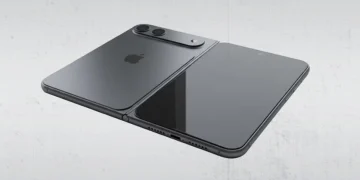
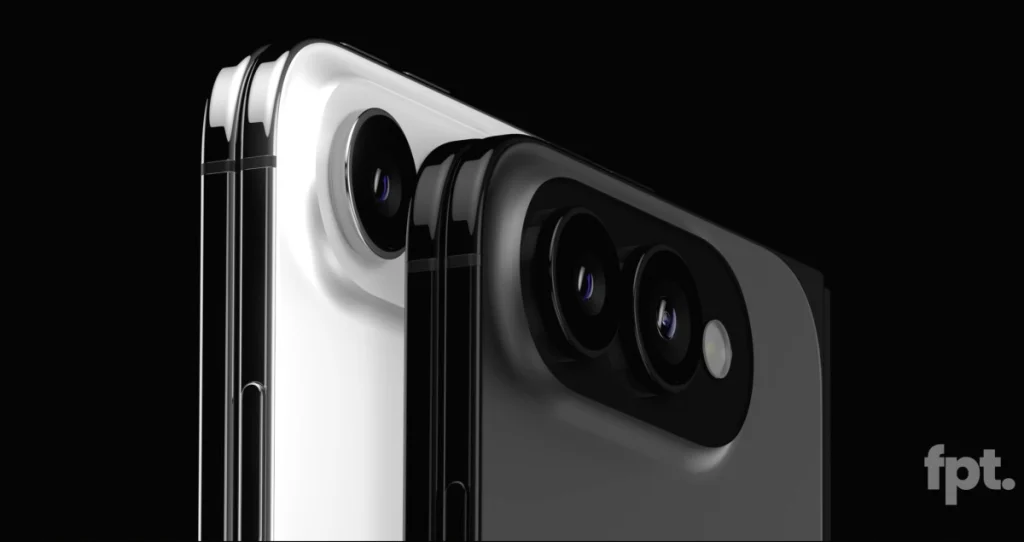
The latest video highlights a book-style foldable design, a slim body, a wide inner display and a camera layout that appears inspired by Apple’s newer design language. Although Apple has not officially announced the device, the growing number of renders, dummy units and concept videos suggests that the foldable iPhone is moving from distant rumor to serious launch discussion.
For years, Apple has watched rivals such as Samsung, Huawei, Honor, Oppo and Google build the foldable phone category. The company has not rushed into the market, which fits its usual approach. Apple often waits until a technology becomes more mature before entering with a refined product. If the iPhone Ultra launches as expected, it may represent Apple’s attempt to make foldables feel more mainstream, polished and durable.
The latest concept video gives fans a better idea of what that future could look like.
New Video Offers a Closer Look at the iPhone Ultra
The new iPhone Ultra concept video was shared by YouTuber Jon Prosser of Front Page Tech, a well-known Apple leaker and tech commentator. The video shows the alleged foldable iPhone from multiple angles, focusing on its exterior design, hinge, rear camera system and thin unfolded profile.
According to the video, the foldable iPhone may launch in two color options: White and Black. That would be a very Apple-like choice for a first-generation Ultra product. Instead of offering many playful colors, Apple may choose a cleaner and more premium launch palette to position the device as a serious flagship.
The design shown in the concept also suggests that Apple may avoid making the foldable look too experimental. Rather than creating a device that feels completely separate from the iPhone family, the iPhone Ultra appears to borrow familiar iPhone design elements while introducing a folding display.
That balance could be important. Foldable phones still need to convince many buyers that they are practical, durable and worth the high price. A familiar iPhone identity may help Apple make the category feel less risky.
iPhone Ultra Design: Slim, Premium and Familiar
The biggest talking point in the new video is the device’s slim profile. The iPhone Ultra is rumored to measure around 4.5mm when unfolded, making it thinner than many traditional smartphones and even slimmer than the iPhone Air figure mentioned in recent reports.
If accurate, that would be a major engineering achievement. Foldable phones must include hinges, flexible displays, batteries, cameras and internal components while still remaining light enough for everyday use. Building a foldable that feels thin and balanced is one of the hardest challenges in this category.
The concept shows a device that folds like a small book. When opened, it appears to provide a wider screen than most regular iPhones. When closed, it should function like a normal phone, giving users a cover display for quick tasks, calls, messages and camera use.
The rumored wider aspect ratio could also make the iPhone Ultra feel different from several Android foldables. Some foldables are tall and narrow when closed, which can make typing or app use feel cramped. Apple may be aiming for a more natural outer-screen experience.
Camera Design Inspired by iPhone Air
The concept video also gives a closer look at the rear camera layout. The device appears to feature a dual-camera system placed inside a raised camera plateau, with an LED flash beside the lenses.
The camera area has been described as inspired by the iPhone Air design language. That could mean Apple is trying to create visual continuity across future iPhone models, even if the foldable Ultra sits in a different price and product category.
A dual-camera setup may surprise some users who expect Apple’s most premium iPhone to carry three rear cameras. However, foldable phones involve space trade-offs. Apple may decide to prioritize thinness, weight and hinge design over a larger camera module.
The camera system will still need to feel flagship-level. A foldable iPhone priced at the very top of Apple’s lineup cannot afford to feel weaker than standard Pro models in daily photography. That means Apple would likely rely on strong sensors, image processing and software features to make the camera experience competitive.
The Hinge Could Be Apple’s Biggest Test
The hinge may become the most important part of the iPhone Ultra. Foldable phones live or fail by hinge quality. A good hinge must feel smooth, strong and reliable. It must also help reduce display crease visibility while protecting the flexible screen over years of use.
The latest rumors suggest that Apple may use an over-engineered hinge designed to reduce the crease on the foldable display. That would fit Apple’s reputation for focusing heavily on hardware feel and long-term durability.
A barely visible crease would be a major selling point. Many foldable phones have improved in recent years, but the crease remains one of the most visible reminders that the display folds. If Apple can reduce that issue, it could make the iPhone Ultra feel more polished than earlier foldable designs.
Durability will matter just as much as appearance. Foldable screens are more complex than traditional smartphone displays. Apple will need to convince buyers that the iPhone Ultra can survive daily folding, pocket use and long-term wear.
Display Experience and Wider Aspect Ratio
The foldable iPhone is expected to offer a wider display format than many Android foldables. That could give Apple a different advantage. A wider inner screen may feel better for reading, watching videos, editing photos, multitasking and using apps with tablet-style layouts.
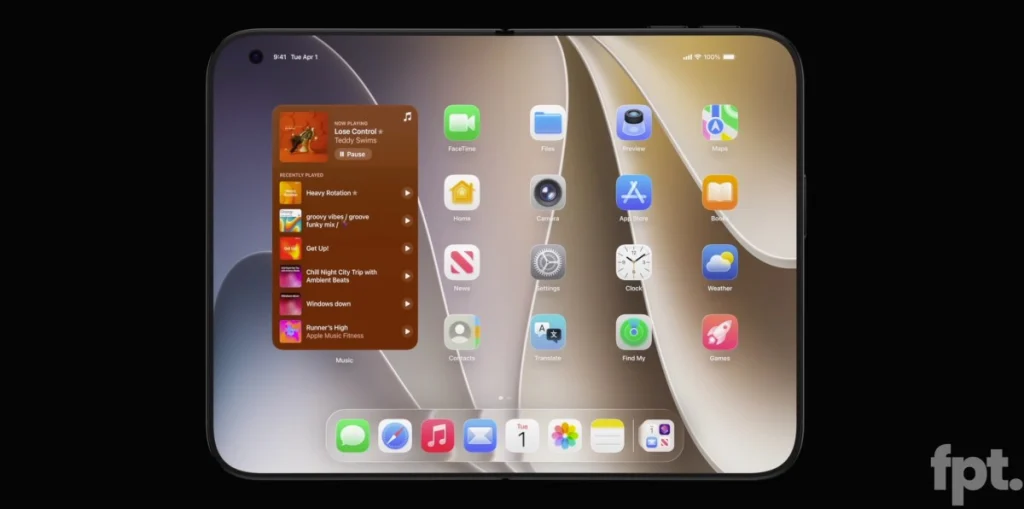
The iPhone Ultra could also benefit from Apple’s control over iOS. Foldable hardware is only useful if the software feels ready. Apple may use adaptive layouts, split-screen functions, app continuity and larger widgets to make the unfolded display more useful.
The challenge is that iOS has traditionally been built around single-screen phone use. A foldable iPhone would require Apple to rethink how apps behave when the device opens and closes. Apps must move smoothly between the outer and inner screens. They must also adapt to different sizes without looking stretched or awkward.
If Apple gets this right, the iPhone Ultra could become more than a novelty. It could offer a true bridge between iPhone and iPad experiences.
Rumored Specs: A20 Pro, C2 Modem and 12GB RAM
The iPhone Ultra is rumored to feature Apple’s A20 Pro chip, a C2 modem and 12GB of RAM. These specifications would place the device firmly in flagship territory.
The A20 Pro chip would likely deliver the performance needed for advanced multitasking, AI features, camera processing and gaming. A foldable phone with a large inner screen needs strong performance because users may expect it to handle more demanding workflows than a regular phone.
The rumored C2 modem would continue Apple’s push toward greater control over wireless technology. Modem performance will be important for battery life, signal strength and overall reliability.
The 12GB RAM rumor also makes sense for a foldable device. More memory would help with multitasking, app switching and keeping multiple workflows active on the larger display.
The device is also expected to include Apple’s dedicated Camera Control button, keeping it aligned with recent iPhone design changes.
Why Apple May Call It iPhone Ultra
The iPhone Ultra name would make strategic sense. Apple already uses “Ultra” branding to signal products that sit above the standard Pro tier, such as Apple Watch Ultra. If Apple brings that name to the iPhone lineup, it would immediately position the foldable as the most premium iPhone.
The Ultra name also sounds more powerful than “iPhone Fold.” Apple rarely uses descriptive names that feel too generic. It may prefer a name that suggests performance, design and status rather than simply describing the hinge.
Calling the device iPhone Ultra would also allow Apple to keep the product separate from the regular iPhone 18 and iPhone 18 Pro lineup. That separation would help justify a higher price and a more experimental form factor.
A foldable iPhone would not need to replace the iPhone Pro Max immediately. It could sit above it as a luxury device for users who want the newest form factor and the largest screen experience.
Expected Launch Window
Recent rumors suggest Apple could unveil the iPhone Ultra alongside the iPhone 18 Pro series in September. That would be a major moment for the iPhone lineup and one of Apple’s biggest hardware changes in years.
A September launch would allow Apple to introduce the foldable as part of its biggest annual product event. It would also place the device directly in the holiday shopping cycle, giving Apple a strong premium product for the end of the year.
However, the launch timing remains unofficial. Foldable devices are complex, and Apple may delay the product if it is not satisfied with durability, display quality, production yield or software readiness.
That caution would not be surprising. Apple’s first foldable iPhone will face enormous attention. If the hinge feels weak, the crease is too visible or the software feels unfinished, criticism could be intense. Apple is likely to wait until the product meets its internal standard before bringing it to market.
How the iPhone Ultra Could Change Foldables
If Apple enters the foldable market, the category could gain a major boost. Samsung and other manufacturers have spent years improving foldable phones, but the market still remains smaller than traditional smartphones.
Apple’s arrival could make foldables feel more mainstream. Many users who have ignored Android foldables may take the category more seriously once an iPhone version exists. Developers may also become more motivated to design apps for foldable layouts if Apple adds official support through iOS.
The iPhone Ultra could also pressure competitors to improve hardware quality, crease reduction, battery life and app optimization. Apple may not be first, but its entry could reshape expectations.
That said, Apple will need to offer more than novelty. A foldable iPhone must prove that it makes daily life better. The larger display must be useful. The closed phone must remain comfortable. The battery must last. The software must feel natural. The price must feel justified.
Conclusion
The new iPhone Ultra concept video gives Apple fans one of the most detailed looks yet at the company’s rumored foldable iPhone. The design shown in the video points to a slim book-style device with a wide display, dual rear cameras, a premium hinge and a familiar iPhone-inspired look.
The rumored features include a 4.5mm unfolded body, White and Black color options, an A20 Pro chip, C2 modem, 12GB of RAM and a dedicated Camera Control button. The device is also expected to use a refined hinge designed to reduce the display crease.
Apple has not confirmed the iPhone Ultra, so all details should still be treated as rumors. But the growing number of leaks, renders and software clues suggests that Apple’s foldable iPhone plans are becoming harder to ignore.
If the iPhone Ultra launches alongside the iPhone 18 Pro series, it could become one of Apple’s most important product introductions in years. The foldable market already exists, but Apple’s entry could push it into a new phase.
For now, the concept video offers a glimpse of what may be coming: a thinner, more polished and more iPhone-like foldable built for users who want the biggest Apple phone experience yet.
Read Also: Technopolis Development Authority Expands Konza Vision