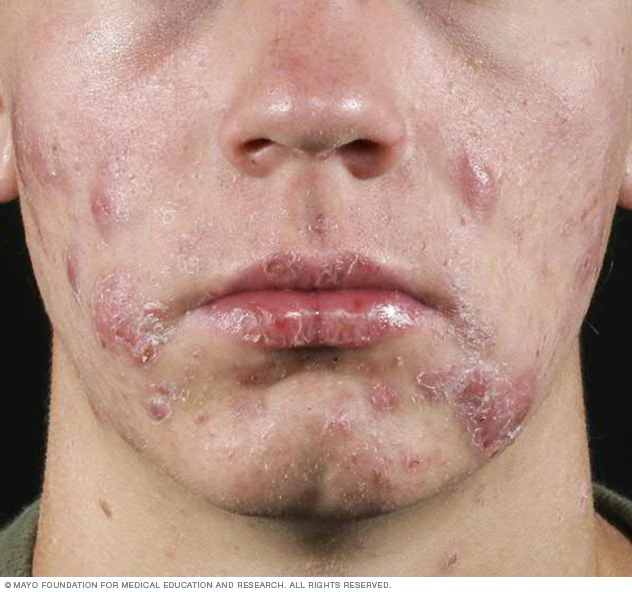
Acne is a common skin condition that occurs when hair follicles become clogged with oil and dead skin cells. It often results in the appearance of whiteheads, blackheads, and pimples. While acne is most prevalent among teenagers, it can affect individuals of all ages.
Although effective treatments are available, acne can be persistent, with lesions healing slowly and new ones frequently appearing. Early and appropriate treatment can reduce the risk of complications like scarring and emotional distress.
What is Acne?
Acne occurs when sebaceous (oil) glands attached to hair follicles produce excess oil (sebum), leading to clogged pores. Bacteria trapped in these pores can cause inflammation, resulting in pimples and cystic lesions. Acne is most commonly found on the face, forehead, chest, upper back, and shoulders due to the concentration of sebaceous glands in these areas.
Types of Acne Lesions:
- Whiteheads: Closed plugged pores.
- Blackheads: Open plugged pores that darken upon exposure to air.
- Papules: Small, red, tender bumps.
- Pustules: Pimples with pus at their tips.
- Nodules: Large, painful lumps under the skin.
- Cystic Lesions: Painful, pus-filled lumps deep under the skin.
Symptoms of Acne
Acne symptoms can vary in severity and location. The most common signs include:
- Whiteheads and Blackheads: Non-inflammatory forms of acne.
- Red or Inflamed Bumps: Papules and pustules.
- Painful Lumps: Nodules and cysts, which indicate severe forms of acne.
- Affected Areas: Acne typically appears on the face, forehead, chest, back, and shoulders.
When to See a Doctor:
- Acne that does not improve with over-the-counter treatments.
- Severe acne that causes scarring or emotional distress.
- Sudden onset of severe acne in adulthood, as this may signal an underlying medical condition.
Seek immediate medical attention if you experience severe reactions to acne products, such as faintness, swelling of the face or throat, or difficulty breathing.
Causes of Acne
Several factors contribute to the development of acne:
1. Excess Oil Production:
Sebaceous glands produce too much oil, clogging hair follicles.
2. Dead Skin Cell Accumulation:
Dead skin cells combine with sebum to block pores.
3. Bacterial Growth:
Bacteria trapped in clogged pores can cause inflammation and infection.
4. Inflammation:
The body’s immune response to bacteria leads to redness, swelling, and pain.
Factors that Trigger or Worsen Acne
Acne can be exacerbated by several factors:
1. Hormonal Changes:
- Increased androgen levels during puberty stimulate oil production.
- Hormonal fluctuations during pregnancy or menstruation can also trigger acne.
2. Certain Medications:
- Drugs containing corticosteroids, testosterone, or lithium can worsen acne.
3. Diet:
- Foods high in refined carbohydrates, such as bread and chips, may contribute to acne.
4. Stress:
- Stress does not directly cause acne but can worsen existing breakouts.
Acne Myths
Contrary to popular belief, several factors have minimal or no effect on acne:
- Chocolate and Greasy Foods: Limited evidence links these to acne breakouts.
- Dirty Skin: Acne is not caused by poor hygiene; excessive scrubbing can irritate the skin.
- Cosmetics: Non-comedogenic (non-pore-clogging) makeup does not worsen acne.
Complications of Acne
Severe or untreated acne can lead to the following complications:
1. Scars:
- Pitted Scars: Indented areas on the skin.
- Keloids: Raised, thick scars.
2. Skin Discoloration:
- Hyperpigmentation: Darkened skin after acne heals.
- Hypopigmentation: Lighter patches of skin in affected areas.
Risk Factors for Acne
Several factors increase the likelihood of developing acne:
- Age: Most common during teenage years but can occur at any age.
- Hormonal Changes: Puberty, pregnancy, and hormonal disorders can trigger acne.
- Family History: Genetics play a significant role in acne development.
- Greasy Substances: Contact with oily products or lotions can clog pores.
- Friction or Pressure: Items like helmets, tight collars, or backpacks can aggravate acne.
Treatment for Acne
Effective acne treatment depends on the severity of the condition and individual skin type.
1. Over-the-Counter Treatments:
- Benzoyl Peroxide: Reduces bacteria and dries excess oil.
- Salicylic Acid: Helps unclog pores and reduce inflammation.
2. Prescription Medications:
- Topical Retinoids: Promote cell turnover to prevent clogged pores.
- Antibiotics: Reduce inflammation and bacterial growth (topical or oral).
- Hormonal Treatments: Birth control pills can regulate hormone-related acne in women.
- Isotretinoin: For severe cystic acne; requires close medical supervision due to potential side effects.
3. Professional Procedures:
- Chemical Peels: Remove dead skin and unclog pores.
- Drainage and Extraction: For large cysts, performed by a dermatologist.
- Laser Therapy: Targets bacteria and inflammation.
Preventing Acne
While not all acne is preventable, these tips can reduce the likelihood of breakouts:
- Keep Skin Clean:
- Wash your face twice a day with a gentle cleanser.
- Avoid Touching Your Face:
- Minimize contact to prevent bacteria transfer.
- Choose Non-Comedogenic Products:
- Opt for oil-free makeup and skincare products.
- Follow a Healthy Diet:
- Limit refined carbohydrates and sugary foods.
- Manage Stress:
- Practice relaxation techniques to reduce stress-induced acne flare-ups.
Living with Acne
Acne can cause physical discomfort and emotional distress. It is important to approach the condition with patience and adopt a consistent treatment plan tailored to your skin’s needs.
Coping Tips:
- Seek Support: Talk to a dermatologist for personalized treatment options.
- Build Confidence: Remember that acne is common and treatable.
- Stay Informed: Monitor your skin’s response to treatments and adjust as needed.
Conclusion
Acne is a common yet manageable skin condition that can significantly impact an individual’s confidence and quality of life. Understanding its causes, symptoms, and treatment options is key to achieving clear skin.
By seeking timely medical advice and adopting a consistent skincare routine, individuals can effectively manage acne and reduce the risk of complications like scarring and discoloration.
Disclaimer: This article is for informational purposes only and should not replace professional medical advice. Always consult a dermatologist for personalized care.