


Absence seizures are a type of seizure characterized by brief, sudden lapses of consciousness. Most commonly seen in children between the ages of 4 and 14, these seizures often appear as vacant stares or subtle movements. While typically not life-threatening, absence seizures can interfere with daily life, especially when left untreated. This guide explores the symptoms, causes, risk factors, complications, and treatment options for absence seizures.
What Are Absence Seizures?
Absence seizures, previously called “petit mal” seizures, involve a brief disruption in normal brain activity. These seizures occur due to abnormal electrical impulses in the brain, leading to short episodes of unresponsiveness or unconsciousness. Unlike other seizures, absence seizures rarely cause physical injury but may result in accidents if they occur during activities such as driving or cycling.
Key Characteristics
- Duration: Lasts about 10 seconds but may extend up to 30 seconds.
- Recovery: There’s no confusion, headache, or drowsiness after the episode.
- Awareness: The person typically has no memory of the seizure but may notice “lost time” if the episode is prolonged.
Symptoms of Absence Seizures
Absence seizures are often mistaken for daydreaming or lapses in attention due to their subtle symptoms. Recognizing these symptoms early is critical for proper diagnosis and treatment.
Common Symptoms
- Vacant Stare: A sudden stop in activity, with a blank expression.
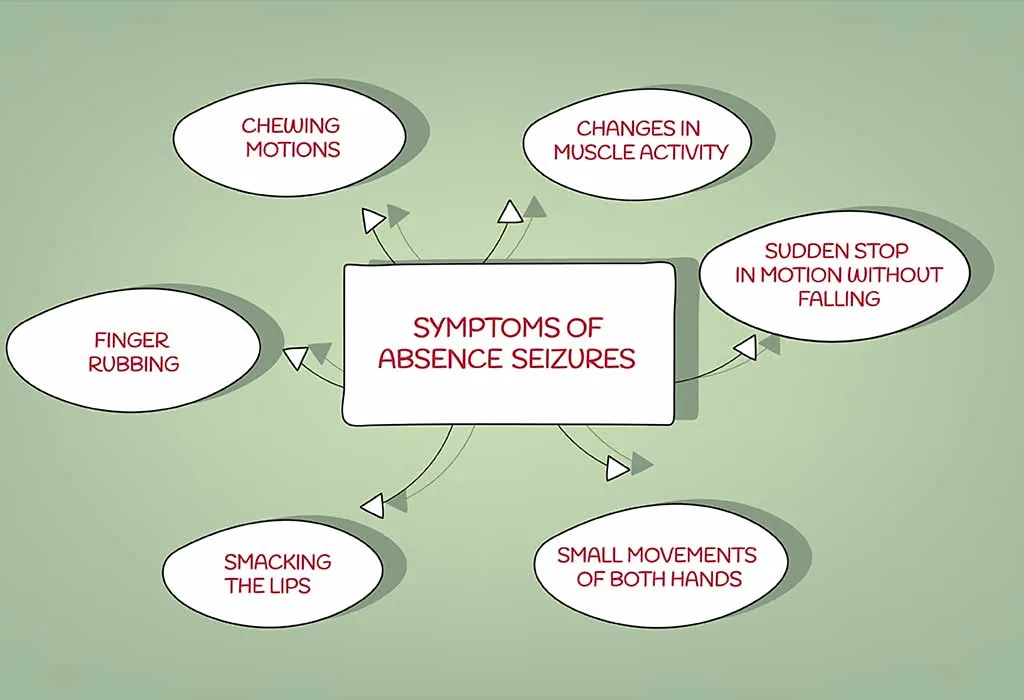
- Small Movements: Lip smacking, eyelid fluttering, chewing motions, or finger rubbing.
- Subtle Actions: Small hand movements or other repetitive motions.
Impact on Daily Life
- Children with frequent episodes may experience disruptions in school performance or daily activities.
- Teachers and caregivers often notice these seizures before parents, as they may interpret them as inattention or daydreaming.
When to Seek Medical Attention
Timely medical intervention is crucial for managing absence seizures effectively.
Contact a Pediatrician If:
- You suspect your child is experiencing seizures.
- Your child develops new seizure symptoms despite taking anti-seizure medications.
- Seizures occur frequently or interfere with daily activities.
Emergency Situations:
Call emergency services if:
- A seizure lasts more than five minutes.
- Prolonged automatic behaviors (e.g., eating, moving without awareness) occur, which may indicate status epilepticus, a medical emergency.
Causes of Absence Seizures
Absence seizures are typically linked to genetic factors. They result from abnormal bursts of electrical impulses in the brain’s neurons, disrupting normal communication between nerve cells.
Key Mechanisms:
- Electrical Activity: During a seizure, electrical signals in the brain repeat in a rapid, three-second pattern.
- Chemical Imbalances: Changes in neurotransmitter levels may also contribute to these seizures.
Risk Factors for Absence Seizures
Certain factors increase the likelihood of developing absence seizures, particularly in children.
Common Risk Factors:
- Age: Most absence seizures occur between ages 4 and 14.
- Sex: Females are more prone to absence seizures than males.
- Family History: A quarter of children with absence seizures have close relatives who also have seizures.
Complications of Absence Seizures
While many children outgrow absence seizures during their teenage years, others may experience complications that require lifelong management.
Potential Complications:
- Lifelong Treatment: Some individuals must continue anti-seizure medications into adulthood.
- Progression to Other Seizures: Children with absence seizures may develop generalized tonic-clonic or myoclonic seizures.
- Cognitive and Behavioral Issues: Learning and behavior problems can arise due to frequent interruptions in focus.
- Social Isolation: Seizures may lead to difficulty maintaining social connections or participating in group activities.
- Injuries: While rare, injuries can occur if a seizure happens during activities such as biking or swimming.
Diagnosis of Absence Seizures
To diagnose absence seizures, healthcare providers use a combination of clinical observation and diagnostic tests.
Diagnostic Tools:
- Medical History: A detailed account of symptoms, frequency, and family history.
- Electroencephalogram (EEG): Detects abnormal electrical activity in the brain.
- Imaging Tests: MRI or CT scans may be used to rule out other conditions.
Treatment for Absence Seizures
Absence seizures are often manageable with anti-seizure medications. Early diagnosis and adherence to treatment plans can significantly improve quality of life.
Medications:
- Ethosuximide: Commonly prescribed and effective for absence seizures.
- Valproic Acid: Often used for children who have other types of seizures in addition to absence seizures.
- Lamotrigine: A newer option with fewer side effects for some patients.
Additional Therapies:
- Lifestyle Adjustments: Ensuring adequate sleep and avoiding seizure triggers, such as stress or flashing lights.
- Regular Monitoring: Frequent follow-ups with a neurologist to adjust medications and assess progress.
Prognosis for Absence Seizures
Many children outgrow absence seizures as they enter adolescence. However, ongoing management may be required for some individuals.
Factors Influencing Prognosis:
- Seizure Frequency: Frequent seizures may require longer treatment.
- Other Seizure Types: The presence of generalized tonic-clonic seizures can complicate treatment.
- Response to Medication: Effective control with medication typically indicates a favorable outcome.
Preventing Seizure-Related Injuries
While absence seizures cannot always be prevented, precautions can minimize risks:
- Supervision: Monitor activities such as swimming or cycling.
- Driving Restrictions: Teens or adults with uncontrolled seizures should avoid driving.
- Educational Support: Work with schools to address any learning challenges related to seizures.
Living with Absence Seizures
Coping with absence seizures involves balancing medical management with emotional and social support.
For Parents:
- Educate yourself about the condition and its triggers.
- Communicate openly with teachers, caregivers, and medical professionals.
For Children:
- Encourage participation in normal activities while being mindful of safety precautions.
- Foster a supportive environment to reduce feelings of isolation or anxiety.
Conclusion
Absence seizures are a manageable condition that requires early diagnosis, effective treatment, and proactive management to ensure minimal disruption to daily life. With proper care and support, most children can outgrow these seizures and lead healthy, active lives.
Disclaimer: This article is for informational purposes only and does not substitute professional medical advice. Always consult a healthcare provider for diagnosis and treatment of absence seizures.




