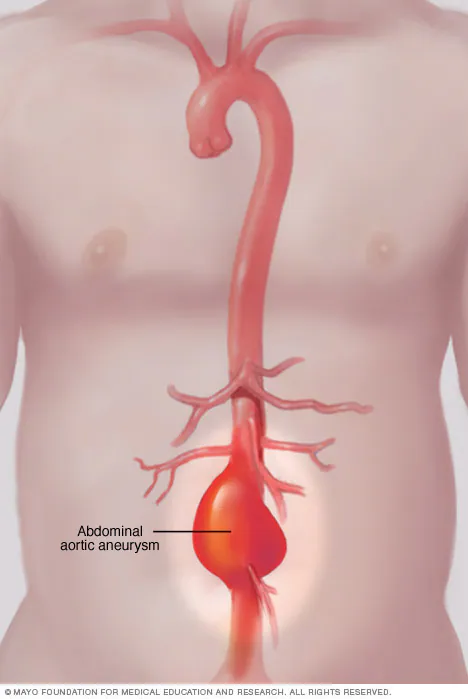
An abdominal aortic aneurysm (AAA) is a serious medical condition characterized by an enlarged area in the lower part of the aorta, the largest blood vessel in the body. The aorta runs from the heart through the chest and abdomen, supplying blood to the rest of the body. When this vessel’s walls weaken and bulge, it forms an aneurysm, which, if ruptured, can result in life-threatening internal bleeding.
This guide explores the symptoms, causes, risk factors, complications, and preventive measures for abdominal aortic aneurysms, offering essential insights for understanding and managing this condition.
What is an Abdominal Aortic Aneurysm?
An abdominal aortic aneurysm is an abnormal enlargement or bulging in the portion of the aorta that passes through the abdomen. While some AAAs remain small and stable over time, others may grow larger and carry an increased risk of rupture. The severity of this condition depends on the size and growth rate of the aneurysm.
Key Characteristics
- Location: Typically found in the abdomen, below the chest cavity.
- Severity: Aneurysms may remain asymptomatic or present with life-threatening complications if they rupture.
- Treatment: Ranges from regular monitoring to surgical intervention, depending on the aneurysm’s size and growth rate.
Symptoms of Abdominal Aortic Aneurysm
One of the challenges of diagnosing AAA is that it often grows slowly and without noticeable symptoms. Many individuals remain unaware of its presence until it is detected incidentally or during routine screenings.
Possible Symptoms
- Deep, persistent pain: Felt in the belly or along the side of the abdomen.
- Back pain: A common symptom due to the aneurysm’s pressure on surrounding structures.
- Pulsating sensation: A noticeable pulse near the bellybutton, which may feel like a rhythmic throbbing.
When to Seek Medical Attention
Immediate medical help is crucial if symptoms include:
- Sudden, severe abdominal or back pain.
- A sensation of tearing or ripping in the abdomen.
- Symptoms of low blood pressure, such as dizziness or fainting.
Causes of Abdominal Aortic Aneurysm
AAAs can develop due to a combination of genetic, lifestyle, and environmental factors that weaken the aorta’s walls.
Underlying Causes
- Atherosclerosis (Hardening of the Arteries):
Fat and other substances accumulate on the blood vessel walls, reducing their flexibility and weakening the structure. - High Blood Pressure:
Chronic hypertension can exert excessive force on the aorta’s walls, leading to damage and bulging. - Inflammatory Diseases:
Conditions that inflame the blood vessels, such as vasculitis, may contribute to the development of AAAs. - Infections:
Rarely, bacterial or fungal infections can weaken the aorta and lead to aneurysm formation. - Trauma:
Physical injuries, such as those sustained in car accidents, can damage the aortic walls and lead to aneurysms.
Risk Factors for Abdominal Aortic Aneurysm
Certain factors increase the likelihood of developing an abdominal aortic aneurysm:
1. Tobacco Use
Smoking is the most significant risk factor for AAA. It directly weakens the aorta’s walls and increases the likelihood of rupture. Long-term smoking history further heightens the risk.
2. Age
The risk of AAA rises significantly after age 65.
3. Gender
Men are more likely than women to develop abdominal aortic aneurysms.
4. Ethnicity
White individuals are at a higher risk compared to other racial groups.
5. Family History
A family history of AAA increases the likelihood of developing the condition.
6. Existing Aneurysms
Having another aneurysm in the body, such as in the thoracic aorta or behind the knee, increases the risk of AAA.
Complications of Abdominal Aortic Aneurysm
An untreated or rapidly growing AAA can lead to severe complications, including:
1. Aortic Dissection
This occurs when there is a tear in the layers of the aortic wall. It can cause severe pain and is a medical emergency.
2. Aneurysm Rupture
A ruptured aneurysm can cause sudden and life-threatening internal bleeding. Signs of rupture include:
- Intense, persistent abdominal or back pain.
- Rapid heartbeat.
- Low blood pressure.
3. Blood Clots
Blood clots can form inside an aneurysm. If they dislodge, they may block blood flow to other parts of the body, causing pain or reduced circulation to the legs, toes, kidneys, or abdomen.
Prevention of Abdominal Aortic Aneurysm
While some risk factors, such as age and family history, cannot be controlled, lifestyle changes and medical management can significantly reduce the risk of AAA.
Healthy Lifestyle Habits
- Quit Smoking:
Avoid tobacco products and limit exposure to secondhand smoke. Smoking cessation programs can provide necessary support. - Adopt a Heart-Healthy Diet:
- Focus on fruits, vegetables, whole grains, lean proteins, and low-fat dairy.
- Avoid saturated and trans fats.
- Reduce salt intake to maintain healthy blood pressure levels.
- Exercise Regularly:
- Aim for at least 150 minutes of moderate aerobic activity weekly.
- Discuss suitable exercises with a healthcare provider, particularly if you have existing heart conditions.
- Manage Stress:
Engage in relaxation techniques like meditation, yoga, or deep breathing to reduce stress, which can negatively impact blood pressure.
Medical Management
- Control Blood Pressure and Cholesterol:
Use prescribed medications to keep these levels within a healthy range. - Routine Screenings:
- Men aged 65 to 75 with a history of smoking should undergo a one-time ultrasound screening for AAA.
- Individuals with a family history of AAA or other risk factors may also benefit from regular monitoring.
Treatment for Abdominal Aortic Aneurysm
Treatment options depend on the size, location, and growth rate of the aneurysm, as well as the individual’s overall health.
1. Regular Monitoring
For small or slow-growing aneurysms, doctors may recommend regular imaging tests and health checkups to monitor changes in size and shape.
2. Medications
To reduce strain on the aorta, medications may be prescribed to:
- Lower blood pressure.
- Reduce cholesterol levels.
- Manage other cardiovascular risk factors.
3. Surgical Intervention
Surgery becomes necessary for large or rapidly growing aneurysms, or those that pose a high risk of rupture.
- Open Surgery:
Involves replacing the damaged section of the aorta with a synthetic graft. - Endovascular Repair (EVAR):
A minimally invasive procedure where a stent is inserted through a blood vessel to reinforce the weakened area.
Conclusion
An abdominal aortic aneurysm is a potentially life-threatening condition that requires timely detection and management. Recognizing the symptoms, understanding the risk factors, and adopting preventive measures are crucial steps to safeguard your health. Regular screenings and a heart-healthy lifestyle can reduce the likelihood of developing AAAs or worsening existing conditions.
If you’re at risk or experiencing symptoms, consult a healthcare provider for personalized advice and treatment. By staying proactive, you can minimize the risks and maintain better cardiovascular health.
Disclaimer: This article is for informational purposes only and should not replace professional medical advice. Always consult a healthcare provider for diagnosis and treatment of abdominal aortic aneurysms or related conditions.