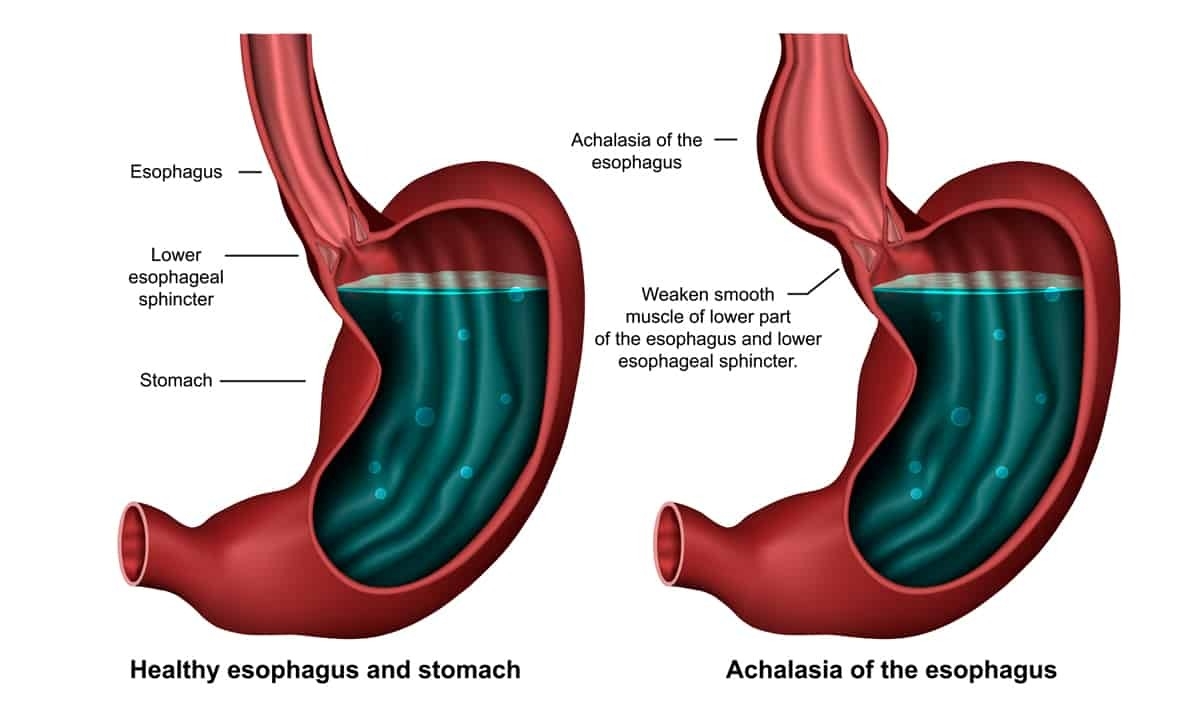
Achalasia is a rare disorder of the esophagus, the muscular tube that connects the mouth to the stomach. The condition makes swallowing difficult due to nerve damage that prevents the esophagus from moving food and liquids effectively into the stomach. Over time, food collects in the esophagus, leading to symptoms such as difficulty swallowing, regurgitation, and weight loss. Although achalasia has no cure, its symptoms can be effectively managed through various treatment options.
What is Achalasia?
Achalasia is a swallowing disorder caused by nerve damage in the esophagus. Normally, the esophageal muscles contract rhythmically to push food into the stomach, while the lower esophageal sphincter (LES) relaxes to allow food to pass. In achalasia, this coordinated movement is disrupted, and the LES fails to relax properly. This causes food and liquid to accumulate in the esophagus, which may ferment and wash back into the mouth, often with a bitter taste.
Key Characteristics
- Progressive Difficulty Swallowing (Dysphagia): Most noticeable with solid foods initially and later with liquids.
- Regurgitation: Swallowed food or saliva flows back into the throat or mouth.
- No Cure: While the esophagus cannot regain its original function, symptoms can be managed with therapy or surgery.
Symptoms of Achalasia
Symptoms of achalasia typically develop gradually and worsen over time, significantly affecting quality of life.
Common Symptoms:
- Difficulty Swallowing (Dysphagia):
A sensation of food being stuck in the throat or chest is often the first symptom. - Regurgitation:
Food or saliva flows back into the throat, especially when lying down. - Heartburn:
A burning sensation in the chest that may mimic gastroesophageal reflux disease (GERD). - Belching:
Frequent burping due to trapped air in the esophagus. - Chest Pain:
May occur intermittently, particularly after eating or at night. - Nighttime Coughing or Choking:
Food entering the airways can cause coughing, choking, or pneumonia. - Weight Loss:
Unintended weight loss due to difficulty eating is common in advanced cases. - Vomiting:
Episodes of vomiting undigested food may occur.
When to See a Doctor:
Consult a healthcare provider if you experience difficulty swallowing, unexplained weight loss, or persistent chest pain. Early diagnosis can prevent complications such as malnutrition or pneumonia.
Causes of Achalasia
The exact cause of achalasia is not well understood, but it is believed to result from the loss of nerve cells in the esophagus. This nerve damage disrupts the normal function of the esophageal muscles and the lower esophageal sphincter.
Possible Causes:
- Nerve Cell Loss:
Researchers suspect that an autoimmune response or viral infection may damage the nerve cells controlling the esophagus. - Genetic Factors:
Rarely, achalasia may be linked to inherited genetic conditions, such as Allgrove syndrome. - Infections:
Some cases may arise from infections that cause inflammation and subsequent nerve damage.
Risk Factors for Achalasia
Although achalasia is a rare condition, certain factors may increase the risk of developing it:
1. Age:
- Achalasia is more common in people aged 25 to 60, though it can occur at any age.
2. Medical Conditions:
- Certain disorders, including allergic conditions and adrenal insufficiency, are associated with a higher risk.
- Allgrove Syndrome: A rare genetic disorder that may include achalasia as one of its symptoms.
Differentiating Achalasia from GERD
Achalasia is often mistaken for GERD due to overlapping symptoms such as regurgitation and heartburn. However, there are key differences:
- Achalasia: Regurgitated material comes from the esophagus, often undigested.
- GERD: Regurgitated material originates from the stomach and includes stomach acid.
Accurate diagnosis is crucial for effective treatment, as the management strategies for the two conditions differ.
Complications of Achalasia
Untreated achalasia can lead to several complications that may impact overall health:
1. Aspiration Pneumonia:
- Food or liquids may enter the airways, causing lung infections.
2. Malnutrition:
- Chronic difficulty swallowing can lead to severe weight loss and nutritional deficiencies.
3. Esophageal Damage:
- Persistent food retention can cause esophageal dilation or rupture.
4. Increased Cancer Risk:
- People with achalasia have a slightly higher risk of developing esophageal cancer due to prolonged irritation of the esophageal lining.
Diagnosis of Achalasia
Accurate diagnosis involves a combination of medical history, physical examination, and specialized tests:
1. Esophageal Manometry:
- Measures the muscle contractions in the esophagus and the ability of the LES to relax.
2. Barium Swallow Test:
- Involves swallowing a liquid that shows up on X-rays to visualize the esophagus and detect blockages or dilation.
3. Endoscopy:
- A thin, flexible tube with a camera is inserted into the esophagus to check for abnormalities and rule out other conditions like cancer.
Treatment Options for Achalasia
While there is no cure for achalasia, various treatments can help manage symptoms and improve quality of life:
1. Endoscopic Procedures:
- Balloon Dilation: A balloon is inflated in the LES to widen the opening, allowing food to pass more easily.
- Botox Injections: Temporarily relaxes the LES, providing short-term relief.
2. Surgical Interventions:
- Heller Myotomy: A minimally invasive surgery that cuts the LES muscles to improve swallowing.
- POEM (Peroral Endoscopic Myotomy): A newer, less invasive procedure that cuts the LES via an endoscope.
3. Medications:
- Calcium Channel Blockers or Nitrates: May relax the LES in some cases, though they are less effective than other treatments.
4. Lifestyle Modifications:
- Eat smaller, softer meals to reduce swallowing difficulty.
- Avoid lying down immediately after eating to prevent regurgitation.
- Stay hydrated to help food move through the esophagus.
Living with Achalasia
Coping with achalasia requires both medical management and lifestyle adjustments:
1. Nutritional Support:
- Work with a dietitian to ensure proper nutrition despite dietary restrictions.
2. Emotional Well-Being:
- Seek support groups or counseling to manage the emotional challenges of living with a chronic condition.
3. Regular Monitoring:
- Periodic follow-ups with a gastroenterologist are essential to monitor symptoms and prevent complications.
Conclusion
Achalasia is a rare but serious swallowing disorder that significantly impacts daily life. While there is no cure, advancements in minimally invasive procedures and surgical techniques offer effective symptom management. Early diagnosis and treatment are key to improving outcomes and preventing complications.
By understanding achalasia and working closely with healthcare providers, individuals can maintain a better quality of life despite the challenges of this condition.
Disclaimer: This article is for informational purposes only and does not substitute professional medical advice. Always consult a healthcare provider for diagnosis and treatment of achalasia or related symptoms.