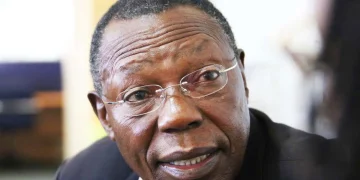
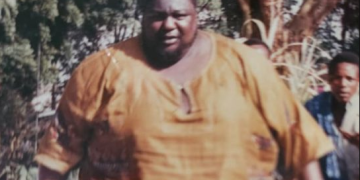
William Odongo Omamo built a career that defines the William Omamo legacy, spanning academia, agriculture, and national politics. Born on February 27, 1928, in Bondo, he rose from modest beginnings to become one of Kenya’s most influential public figures, serving both as an educator and a cabinet minister.
His early life reflected the social realities of rural Kenya at the time. He began schooling in 1936 at Maranda Sector School, where teachers quickly identified his academic ability and leadership potential.
William Omamo legacy rooted in education and scholarship
The William Omamo legacy is closely tied to his academic journey. After attending Maseno School, where he developed a strong interest in agriculture, he pursued further studies abroad in India, Pakistan, and the United States.
His academic achievements culminated in his appointment as the first African principal of Egerton College, marking a significant milestone in Kenya’s education sector during the post-colonial period.
Entry into politics and public service
The William Omamo legacy expanded into politics in 1969, when he entered Parliament following the detention of Jaramogi Oginga Odinga. He was elected Member of Parliament for Bondo, beginning a long career in public office.
Omamo later served as a cabinet minister under both Jomo Kenyatta and Daniel arap Moi, reflecting his continued relevance across different political administrations.
Agricultural reforms and rural initiatives
A defining aspect of the William Omamo legacy was his commitment to agriculture and environmental conservation. He promoted rural afforestation initiatives aimed at protecting land and improving sustainability in farming communities.
His background in agricultural science informed his approach to policy, emphasizing practical solutions for rural development.
Leadership roles beyond government
Beyond politics, Omamo held several leadership positions in public institutions and industry. He managed major sugar companies, chaired university councils, and led commissions that influenced urban planning and development.
These roles reinforced the William Omamo legacy as one of institutional leadership and governance across multiple sectors.
Public persona and communication style
Omamo was widely known for his oratory skills and distinctive communication style. He often used humor and storytelling to engage audiences, earning a reputation as an effective public speaker.
His nickname “Kaliech,” derived from his physical presence and personality, became closely associated with his public image.
Political transitions and later years
Throughout his career, Omamo experienced both electoral victories and defeats. He later aligned with the National Development Party, reflecting shifts in Kenya’s political landscape.
In 2002, he retired from active public life, describing his departure as a natural conclusion to a long career.
Legacy and family
The William Omamo legacy extends beyond his professional achievements. He died on April 27, 2010, at the age of 82, leaving behind a large family, including Raychelle Omamo, who has also served in government.
His contributions to education, agriculture, and governance remain part of Kenya’s national history.
Outlook
The William Omamo legacy continues to be referenced in discussions on leadership and public service in Kenya. His career illustrates the role of education in shaping national leaders and the impact of cross-sector experience in governance.
His life reflects a blend of academic excellence, political service, and institutional leadership that continues to influence Kenya’s development trajectory.