UN rejects Hormuz tolls as the global shipping crisis deepens in one of the world’s most critical energy corridors. The International Maritime Organization has stated that there is no legal justification for imposing fees on vessels passing through the Strait of Hormuz.
The decision comes amid escalating tensions in the Middle East that have disrupted oil and gas flows and triggered rising energy prices.
UN Rejects Hormuz Tolls Over Legal Concerns
Arsenio Dominguez emphasized that international law does not support charging transit fees in key shipping lanes.
He stated that straits used for international navigation must remain open and free from taxes, customs duties, or tolls.
This position reinforces long-standing maritime principles governing global trade routes.
Strait of Hormuz at Center of Global Energy Crisis
The Strait of Hormuz is one of the most important energy corridors in the world.
Recent conflict involving the United States, Israel, and Iran has severely disrupted shipping in the region.
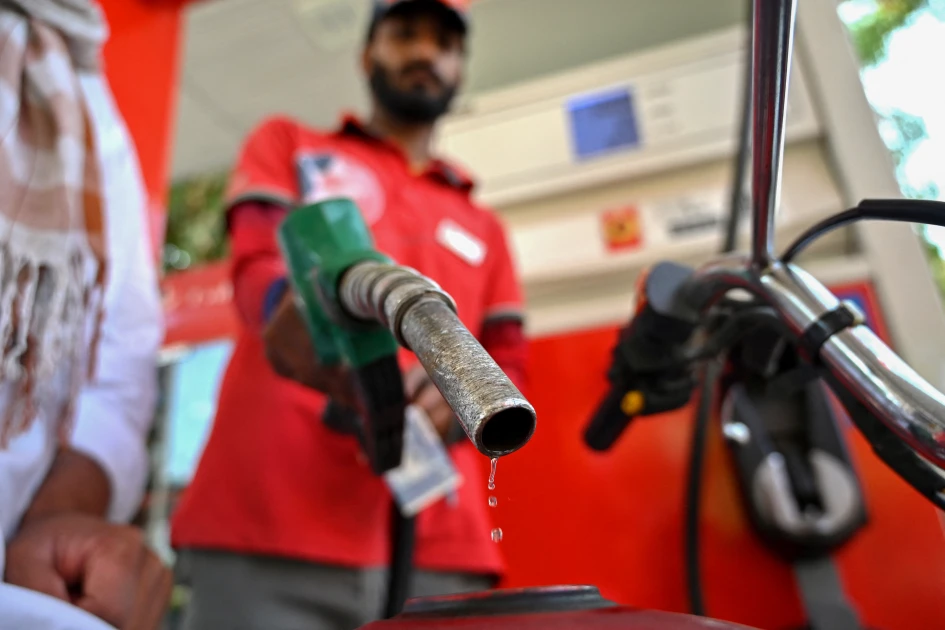
Iran has restricted access to the strait, cutting oil and gas flows and contributing to a surge in global prices.
Iran Proposes Transit Fees
Iran has suggested introducing transit fees as part of a broader peace arrangement.
Officials argue that the country should benefit financially from ships passing through its waters.
However, the International Maritime Organization has firmly rejected this proposal.
Security and Control of the Waterway
Iranian authorities have indicated that their armed forces control the strait.
They have also proposed restrictions on vessels considered hostile.
These developments have increased uncertainty for global shipping and raised concerns about the safety of maritime operations.
Impact on Global Trade and Energy Markets
The disruption in the Strait of Hormuz has significant global implications.
A large portion of the world’s oil and liquefied natural gas passes through this route. Any restriction affects supply chains and drives up prices.
The ongoing situation has already contributed to inflation and economic uncertainty in many regions.
Stranded Seafarers and Evacuation Challenges
The crisis has also affected thousands of seafarers.
An estimated 20,000 crew members remain stranded on vessels in the Gulf.
Arsenio Dominguez said evacuation efforts can only proceed once the waterway is fully secure.
Ongoing Diplomatic Tensions
The issue remains a key sticking point in negotiations between Washington and Tehran.
Although a fragile ceasefire is in place, tensions remain high.
The future of the strait will likely play a major role in any long-term resolution.
Broader Maritime Policy Discussions
At the same time, the International Maritime Organization is addressing other global issues.
These include efforts to reduce carbon emissions in the shipping industry. However, disagreements among major powers have delayed progress on these initiatives.
Conclusion
UN rejects Hormuz tolls as it reinforces international maritime law during a period of global instability. The decision highlights the importance of keeping key shipping routes open and free from additional costs.
As tensions continue, the future of the Strait of Hormuz remains critical to global trade and energy security.