Pension Funds in the United States play a central role in retirement security, public finance, capital markets, and long-term institutional investing. These funds manage money on behalf of teachers, police officers, firefighters, state employees, municipal workers, university staff, judges, school employees, and other public-sector workers. Their purpose is to invest contributions from employees and employers so that retirement benefits can be paid reliably over decades.
The U.S. pension landscape is complex. Some plans are large statewide retirement systems. Others are city systems, teacher systems, university systems, collectively bargained plans, or multi-employer plans. The most visible funds are public defined-benefit pension systems because they manage hundreds of billions of dollars and invest across stocks, bonds, private equity, real estate, infrastructure, private credit, hedge funds, and cash.
The best Pension Funds in the United States are not judged by size alone. A large fund may have enormous investment capacity but still face funding challenges. A smaller fund may be better funded, better governed, or more disciplined. A strong pension fund usually combines sound governance, transparent reporting, prudent investment strategy, reasonable assumptions, risk management, member service, long-term funding discipline, and political independence.
This article profiles leading U.S. pension funds and retirement systems based on scale, governance, investment sophistication, transparency, public importance, and relevance to members and taxpayers. It also explains how pension funds work, what buyers and researchers should know, and why these institutions matter to the U.S. economy.
Industry Overview: Pension Funds in the United States
The U.S. pension sector includes public pension funds, corporate pension plans, union multi-employer plans, and retirement systems connected to government employers. This directory focuses mainly on major public pension funds because they are the most prominent, widely reported, and economically important retirement systems in the country.
Public pension funds are usually defined-benefit plans. That means retirees receive a benefit based on a formula, commonly linked to salary, years of service, and retirement age. The plan sponsor, usually a state or local government, is responsible for ensuring that benefits are funded. This creates a long-term relationship between workers, employers, taxpayers, investment markets, and public budgets.
The sector has several major growth drivers and pressures. Strong investment returns can improve funded status and reduce employer contributions. Weak returns, rising longevity, inadequate contributions, or unrealistic assumptions can create unfunded liabilities. Many systems have also adjusted benefit formulas, contribution rates, cost-of-living adjustments, and risk-sharing rules to improve long-term sustainability.
Public pension funds are major institutional investors. They allocate capital to public equities, fixed income, real estate, private equity, infrastructure, private credit, hedge funds, inflation-sensitive assets, and cash. Their investment decisions can affect asset managers, private markets, corporate governance, infrastructure financing, and regional development.
The future of the sector will depend on investment returns, contribution discipline, demographic trends, funded ratios, governance quality, public trust, and the ability to balance benefit security with taxpayer affordability.
Ranking Methodology
This directory evaluates pension funds using practical, reader-focused criteria rather than assets alone. The goal is to identify major U.S. pension funds that are influential, well-known, and important to members, taxpayers, and capital markets.
The selection considers:
Scale and assets under management
Number of members and beneficiaries served
Governance structure
Investment sophistication
Public reporting and transparency
Funding discipline
Long-term reputation
Role in public retirement security
Economic and capital-market influence
This article is educational and should not be treated as personal financial, legal, tax, or retirement advice. Pension eligibility, benefits, and rules vary by employer, plan, state, job category, hire date, and retirement tier.
Best Pension Funds in the United States
California Public Employees’ Retirement System
Overview
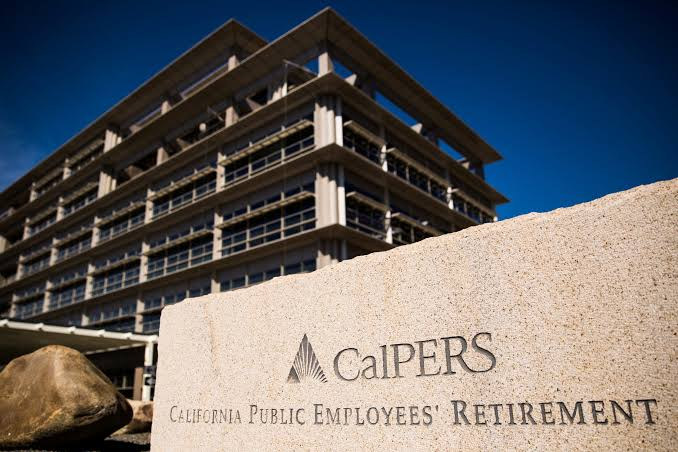
The California Public Employees’ Retirement System, widely known as CalPERS, is the largest defined-benefit public pension fund in the United States. It serves public employees, retirees, and beneficiaries across California and manages one of the most closely watched pension investment portfolios in the world.
CalPERS is important because of its scale, public visibility, investment influence, and role in California’s public workforce. It invests globally and across multiple asset classes, including public equity, fixed income, private equity, real assets, private debt, and liquidity strategies.
Services Offered
CalPERS provides retirement benefits, pension administration, investment management, health benefits, member education, employer support, actuarial reporting, and retirement planning tools.
Industries Served
The system serves California state employees, local government employees, school employees, retirees, beneficiaries, public employers, and health plan participants.
Notable Projects
CalPERS has pursued major long-term investment initiatives, including global diversification, private markets exposure, climate-related investment strategies, and risk-management reforms.
Competitive Advantages
CalPERS’ advantage is scale. Its asset base gives it access to global investment opportunities, sophisticated managers, co-investments, and long-term strategies that smaller plans may not easily access.
Headquarters
Sacramento, California.
Website
calpers.ca.gov
Why It Stands Out
CalPERS stands out because it is the largest U.S. public pension fund and one of the most influential institutional investors in the world. Its decisions are watched by public officials, asset managers, unions, taxpayers, and governance advocates.
California State Teachers’ Retirement System
Overview
The California State Teachers’ Retirement System, known as CalSTRS, is the largest educator-only pension fund in the world. It provides retirement, disability, and survivor benefits for California public school educators and their beneficiaries.
CalSTRS is one of the most important pension systems in the United States because of its size, member base, and long-term investment horizon. The fund invests across public equity, private equity, fixed income, real estate, inflation-sensitive assets, risk-mitigating strategies, and other diversified categories.
Services Offered
CalSTRS provides retirement benefits, disability benefits, survivor benefits, investment management, member education, employer services, financial reporting, and retirement planning resources.
Industries Served
The system serves California teachers, public school educators, community college educators, retirees, beneficiaries, school districts, and education employers.
Notable Projects
CalSTRS is known for long-term stewardship, sustainable investment initiatives, public reporting, and investment policies designed to support benefits for educators over generations.
Competitive Advantages
Its main advantage is specialization. CalSTRS focuses specifically on educators, allowing it to build benefit structures, communications, and member services around the needs of California’s education workforce.
Headquarters
West Sacramento, California.
Website
calstrs.com
Why It Stands Out
CalSTRS stands out because it combines large-scale institutional investing with a clear mission: securing retirement benefits for California educators.
New York State Common Retirement Fund
Overview
The New York State Common Retirement Fund is one of the largest and most respected public pension funds in the United States. It holds and invests assets for the New York State and Local Retirement System, serving public employees, retirees, and beneficiaries across the state.
The fund is overseen by the New York State Comptroller, who acts as sole trustee. This structure is unusual compared with board-governed systems and places significant responsibility on the comptroller’s office for investment policy, transparency, and fiduciary oversight.
Services Offered
The fund provides investment management, retirement asset stewardship, public reporting, corporate governance engagement, risk management, and long-term funding support for the retirement system.
Industries Served
It serves New York state and local government employees, retirees, beneficiaries, public employers, and taxpayers.
Notable Projects
The fund is known for public transparency, corporate governance engagement, sustainable investment initiatives, and reporting on asset allocation and holdings.
Competitive Advantages
Its advantage is strong public reporting and a reputation as one of the best-funded major public pension systems in the country.
Headquarters
Albany, New York.
Website
osc.ny.gov/common-retirement-fund
Why It Stands Out
The New York State Common Retirement Fund stands out because of its size, public accountability, and long-standing reputation for disciplined pension management.
New York City Retirement Systems
Overview
The New York City Retirement Systems are five pension systems serving municipal workers, teachers, police officers, firefighters, and board of education employees in New York City. Together, they form one of the largest public pension platforms in the United States.
The city’s pension funds are advised by the New York City Comptroller and governed through boards of trustees. The systems are important because they support retirement security for hundreds of thousands of workers and retirees in America’s largest city.
Services Offered
The systems provide retirement benefits, disability benefits, survivor benefits, investment management, trustee governance, member services, actuarial reporting, and pension administration.
Industries Served
They serve New York City employees, teachers, police officers, firefighters, education employees, retirees, beneficiaries, and city agencies.
Notable Projects
The New York City funds are known for active corporate governance, responsible investment debates, climate-related investment policies, and public reporting on annual returns.
Competitive Advantages
Their advantage is scale combined with sector-specific systems for different public workers.
Headquarters
New York City, New York.
Website
comptroller.nyc.gov
Why It Stands Out
The New York City Retirement Systems stand out because they support one of the largest municipal workforces in the United States and manage assets at a scale comparable to major statewide systems.
Teacher Retirement System of Texas
Overview
The Teacher Retirement System of Texas, commonly known as TRS Texas, is the largest public retirement system in Texas and one of the largest pension systems in the United States. It serves public education employees, retirees, and beneficiaries across the state.
TRS Texas is important because Texas has one of the largest public education workforces in the country. The system manages a large investment portfolio and pays benefits to retired teachers and education employees, making it a major part of the state’s public finance system.
Services Offered
TRS Texas provides retirement benefits, disability benefits, survivor benefits, health care programs, investment management, member education, employer services, and retirement planning resources.
Industries Served
The system serves Texas public school employees, higher education employees, retirees, beneficiaries, school districts, and public education employers.
Notable Projects
TRS Texas has developed a globally diversified investment portfolio and has built internal investment capabilities across public and private markets.
Competitive Advantages
Its advantage is scale and focus on Texas educators. The system has the size to access sophisticated investment strategies while serving a clearly defined member base.
Headquarters
Austin, Texas.
Website
trs.texas.gov
Why It Stands Out
TRS Texas stands out because it supports millions of members and plays a central role in retirement security for Texas public education workers.
Florida Retirement System Pension Plan
Overview
The Florida Retirement System Pension Plan is one of the largest public pension plans in the United States. Its assets are managed by the Florida State Board of Administration, which also oversees other state investment funds.
The Florida system is important because it serves a large and growing state workforce. Its pension plan supports state employees, county workers, school employees, public safety employees, and other eligible public workers.
Services Offered
The system provides defined-benefit retirement benefits, investment management, pension administration, member support, employer services, actuarial reporting, and retirement planning resources.
Industries Served
It serves Florida public employees, teachers, county employees, state agencies, retirees, beneficiaries, and public employers.
Notable Projects
The Florida State Board of Administration manages a broad institutional portfolio and has been active in private markets, fixed income, public equity, and risk-managed investment strategies.
Competitive Advantages
Its advantage is statewide scale and professional investment management through the SBA.
Headquarters
Tallahassee, Florida.
Website
sbafla.com
Why It Stands Out
The Florida Retirement System Pension Plan stands out because it is one of the largest and most important public pension systems in the country, serving a fast-growing state with significant public-sector retirement obligations.
Washington State Investment Board
Overview
The Washington State Investment Board manages investments for public retirement plans and other public trust funds in Washington State. It is widely respected among institutional investors for its long-term investment discipline and substantial allocation to private markets.
WSIB manages assets for multiple retirement plans, including public employees, teachers, school employees, law enforcement officers, firefighters, and judges. Its investment model is important because pooled assets can help control risk and improve access to diversified strategies.
Services Offered
WSIB provides investment management, asset allocation, risk management, private market investing, public market investing, reporting, and fiduciary oversight for retirement and public trust funds.
Industries Served
It serves Washington public employees, teachers, school employees, public safety workers, judges, retirees, beneficiaries, and public agencies.
Notable Projects
WSIB is known for its large private equity program, diversified asset allocation, and long-term institutional investment approach.
Competitive Advantages
Its advantage is investment specialization. Unlike some retirement systems that combine benefits administration and investments, WSIB focuses heavily on investment management.
Headquarters
Olympia, Washington.
Website
sib.wa.gov
Why It Stands Out
WSIB stands out because of its institutional investment reputation, private market expertise, and role managing pooled assets for Washington public retirement plans.
State of Wisconsin Investment Board
Overview
The State of Wisconsin Investment Board, known as SWIB, manages assets for the Wisconsin Retirement System and other state trust funds. Wisconsin is often cited as one of the better-funded public pension systems in the United States, and SWIB plays a central role in that reputation.
SWIB is important because it combines public pension investing with a disciplined approach to risk, diversification, and long-term returns. The Wisconsin Retirement System includes features that help align benefits with funding conditions, which has contributed to its reputation for sustainability.
Services Offered
SWIB provides investment management, asset allocation, public and private market investing, risk management, reporting, and long-term fund stewardship.
Industries Served
It serves Wisconsin public employees, retirees, beneficiaries, state agencies, public employers, and trust fund beneficiaries.
Notable Projects
SWIB is known for active management, diversified strategies, internal investment capabilities, and long-term performance reporting.
Competitive Advantages
Its advantage is disciplined investment management within a pension system widely viewed as financially strong.
Headquarters
Madison, Wisconsin.
Website
swib.state.wi.us
Why It Stands Out
SWIB stands out because it manages assets for one of the most financially respected public pension systems in the United States.
State Teachers Retirement System of Ohio
Overview
The State Teachers Retirement System of Ohio, commonly known as STRS Ohio, provides retirement benefits for Ohio public educators. It is one of the largest teacher retirement systems in the United States and manages a major investment portfolio.
STRS Ohio is significant because it serves educators across a large Midwestern state and has a long history of pension administration, health care-related support, and investment management. Like many public systems, it must balance benefit security, contribution policy, investment returns, and long-term funding needs.
Services Offered
STRS Ohio provides retirement benefits, disability benefits, survivor benefits, health care support, investment management, member education, employer services, and retirement planning tools.
Industries Served
The system serves Ohio public school teachers, higher education faculty, retirees, beneficiaries, and education employers.
Notable Projects
STRS Ohio manages a diversified investment portfolio and publishes financial and investment reports for members and stakeholders.
Competitive Advantages
Its advantage is educator-focused administration and a large investment base dedicated to public teacher retirement security.
Headquarters
Columbus, Ohio.
Website
strsoh.org
Why It Stands Out
STRS Ohio stands out because it is one of the largest educator-focused retirement systems in the United States and remains a key institution in Ohio public education.
Virginia Retirement System
Overview
The Virginia Retirement System is one of the largest public retirement systems in the United States. It provides retirement benefits and related services to state employees, teachers, political subdivision employees, public safety officers, judges, and other eligible public workers.
VRS is important because it serves a diverse public workforce and manages a large investment portfolio designed to support long-term benefit payments. Its investment program includes public markets, fixed income, real assets, credit, private equity, and internal management capabilities.
Services Offered
VRS provides retirement benefits, disability benefits, survivor benefits, group insurance, investment management, employer services, member education, and retirement planning resources.
Industries Served
The system serves Virginia state employees, teachers, local government employees, public safety workers, judges, retirees, beneficiaries, and public employers.
Notable Projects
VRS has developed internal investment management capabilities and publishes annual reports on fund performance, assets, and governance.
Competitive Advantages
Its advantage is a broad member base and a professional investment program serving multiple categories of public employees.
Headquarters
Richmond, Virginia.
Website
varetire.org
Why It Stands Out
VRS stands out because it is a large, professionally managed public pension system serving one of the most diverse public workforces in the country.
Industry Trends Shaping Pension Funds in the United States
Funding Discipline
The strongest pension funds depend on consistent contributions from employers and employees. Even strong investment returns cannot fully repair a system if contributions are repeatedly skipped or assumptions are unrealistic.
Private Markets Growth
Large pension funds increasingly invest in private equity, private credit, real estate, and infrastructure. These assets may offer diversification and return potential, but they can also introduce complexity, fees, valuation risk, and liquidity constraints.
Lower Return Assumptions
Many public pension systems have gradually reduced assumed rates of return. Lower assumptions can improve realism but may require higher contributions from employers or employees.
Governance and Transparency
Public pension funds face growing demand for transparent reporting, clear governance, conflict management, investment disclosure, and fiduciary discipline. Governance quality can strongly affect long-term outcomes.
Demographic Pressure
Retirees are living longer, and some systems have more retirees relative to active workers. This creates pressure on cash flows, contribution rates, and long-term funding models.
Responsible Investment Debates
Pension funds are increasingly involved in debates over climate risk, corporate governance, labor standards, political restrictions, proxy voting, and fiduciary duty. The best systems focus on long-term risk-adjusted returns while maintaining transparency around policy choices.
Buyer’s Guide: How to Evaluate Pension Funds
Review Funded Status
A pension fund’s funded ratio shows how much of its promised benefits are covered by current assets. A higher funded ratio is generally stronger, but readers should also review assumptions, contribution policy, and actuarial methods.
Look at Contribution Discipline
A plan that receives full actuarially determined contributions is usually healthier than one where contributions are delayed, reduced, or politically manipulated.
Examine Investment Assumptions
Return assumptions should be realistic. Overly optimistic assumptions can make a plan look healthier than it is.
Check Governance Structure
Strong governance includes clear fiduciary duties, professional investment staff, independent oversight, transparency, and limited political interference.
Understand Benefit Rules
Members should review retirement age, service credit, benefit formula, cost-of-living adjustments, survivor benefits, disability benefits, vesting rules, and contribution requirements.
Watch for Red Flags
Red flags include chronic underfunding, skipped contributions, overly high return assumptions, weak disclosure, political interference, poor governance, and repeated benefit changes without clear funding plans.
Why Pension Funds Matter in the United States
Pension funds matter because they provide retirement security for millions of public workers and retirees. For teachers, police officers, firefighters, state employees, municipal workers, and school employees, pensions often represent a major part of retirement income.
They also matter to taxpayers. Poorly funded pension systems can create budget pressure for states, cities, counties, and school districts. Well-managed systems can reduce fiscal stress and provide predictable retirement benefits.
Pension funds are also major investors. Their capital supports public markets, private companies, infrastructure, real estate, credit markets, and economic development. Because they invest over long time horizons, they can provide patient capital to the economy.
Finally, pension funds affect workforce recruitment and retention. Public employers often use retirement benefits to attract and keep qualified employees in education, public safety, government administration, transportation, health services, and public works.
Conclusion
The best Pension Funds in the United States combine scale, governance, transparency, investment sophistication, and a clear commitment to long-term retirement security. CalPERS and CalSTRS lead in national size and influence. The New York State Common Retirement Fund and New York City Retirement Systems are major public retirement institutions. TRS Texas and the Florida Retirement System serve large and growing states. WSIB and SWIB are respected for investment discipline. STRS Ohio and VRS are major systems serving educators and public employees.
No pension fund should be judged by size alone. The most important factors are funded status, contribution discipline, realistic assumptions, investment governance, member service, and long-term sustainability. For members, taxpayers, policymakers, and researchers, understanding Pension Funds is essential to understanding the future of retirement security in the United States.
Frequently Asked Questions
What are the best pension funds in the United States?
The best-known pension funds in the United States include CalPERS, CalSTRS, the New York State Common Retirement Fund, New York City Retirement Systems, Teacher Retirement System of Texas, Florida Retirement System Pension Plan, Washington State Investment Board, State of Wisconsin Investment Board, STRS Ohio, and Virginia Retirement System. The best fund depends on the criteria used. Some are largest by assets, some are strongest by funding discipline, and others stand out for governance, transparency, or investment performance.
What is the largest pension fund in the United States?
CalPERS is generally regarded as the largest defined-benefit public pension fund in the United States. It manages assets for California public employees, retirees, and beneficiaries. Its size gives it major influence in public markets, private equity, real estate, infrastructure, corporate governance, and pension policy discussions. However, size alone does not determine pension quality. Funded status, governance, contribution discipline, and assumptions are also important.
What is the difference between CalPERS and CalSTRS?
CalPERS serves many categories of California public employees, including state, local government, and school employees. CalSTRS specifically serves California public school educators and related education professionals. Both are large public pension systems, but they have different membership bases, benefit structures, governance arrangements, and funding systems. CalSTRS is often described as the largest educator-only pension fund in the world.
Are public pension funds safe?
Public pension funds are designed to provide long-term retirement benefits, but their financial strength varies. A well-funded plan with consistent contributions, realistic assumptions, and strong investment governance is generally healthier than a plan with chronic underfunding. Members should review official plan documents, funded status, contribution policies, and benefit rules. Pension benefits may also be affected by state law and plan-specific rules.
What does funded ratio mean in a pension fund?
A funded ratio compares a pension plan’s assets with its estimated liabilities. For example, a plan that has $80 in assets for every $100 of promised benefits has an 80% funded ratio. A higher ratio generally indicates stronger funding, but it must be interpreted carefully. Assumptions about investment returns, mortality, payroll growth, and discount rates can affect the calculation.
Why do pension funds invest in private equity?
Pension funds invest in private equity because they seek long-term returns and diversification beyond public stocks and bonds. Private equity may offer higher return potential, but it also brings higher fees, less liquidity, valuation complexity, and long investment horizons. Strong governance is essential because private market investments are more difficult to evaluate than publicly traded securities.
How do pension funds affect taxpayers?
Public pension funds affect taxpayers because government employers must contribute enough money to fund promised benefits. If a pension plan is underfunded, future taxpayers may face higher contribution costs. Strong investment returns and disciplined funding can reduce pressure, while skipped contributions and unrealistic assumptions can increase long-term costs.
What makes a pension fund well managed?
A well-managed pension fund usually has realistic assumptions, consistent contributions, transparent reporting, strong governance, diversified investments, professional staff, clear risk controls, and good member service. It should also communicate openly with workers, retirees, employers, policymakers, and taxpayers. Good management does not mean avoiding all losses; it means managing long-term obligations responsibly.
Can individuals invest directly in pension funds?
In most cases, individuals cannot invest directly in public pension funds unless they are eligible members through employment. Pension funds are retirement systems for covered workers, not retail investment products. Individuals looking for retirement investment options usually use 401(k) plans, IRAs, brokerage accounts, mutual funds, ETFs, or employer-sponsored retirement plans.
Why are pension funds important to the U.S. economy?
Pension funds are important because they provide retirement income, support public-sector workforce stability, and invest large pools of capital across the economy. Their investments help finance companies, infrastructure, real estate, bonds, and private markets. They also influence corporate governance through proxy voting and shareholder engagement.
Read Also: The Best Asset Managers in the United States