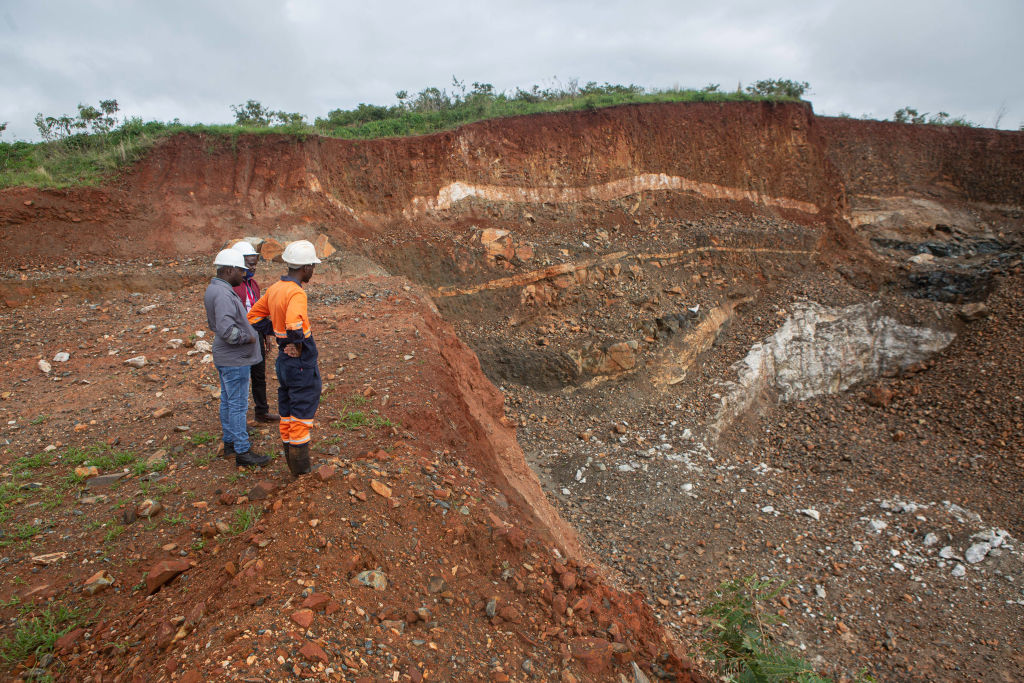
Zimbabwe lithium mining is facing fresh scrutiny as the government, civil society groups, labour unions and local communities raise concerns about environmental damage, worker safety, mineral leakages and the dominant role of Chinese companies in the sector.
The renewed attention comes at a critical moment for Zimbabwe. Lithium has become one of the world’s most important battery minerals because of its use in electric vehicles, energy storage systems and rechargeable electronics. Zimbabwe holds some of Africa’s most significant lithium deposits and has become a key supplier of lithium-bearing spodumene concentrate to China.
But the rapid expansion of lithium mining has also created difficult questions. Who benefits from the country’s mineral wealth? Are communities being protected? Are workers being treated fairly? Is Zimbabwe exporting too much raw value while other countries capture the real profits from battery processing?
These questions are now shaping national debate as authorities push for more local processing and tighter control of the lithium supply chain.
Zimbabwe’s Lithium Wealth and Global Importance
Zimbabwe is one of the most important lithium producers in Africa. Its lithium reserves have attracted major investment from foreign companies, especially Chinese firms seeking secure supplies for the global battery industry.
Mining is already central to Zimbabwe’s economy. The sector contributes significantly to national output and is one of the country’s largest sources of export earnings. Lithium has added new urgency because global demand for battery minerals has increased sharply.
For China, Zimbabwe’s lithium is strategically important. Chinese companies have invested heavily in mines and processing projects as they seek to strengthen supply chains for electric vehicle batteries and energy storage technologies.
For Zimbabwe, the challenge is different. The country wants to avoid becoming only a supplier of raw or semi-processed minerals. Government officials want more value to remain inside Zimbabwe through local beneficiation, industrial investment, jobs and tax revenue.
That ambition is now behind a tougher approach to lithium exports.
Export Ban Signals a Policy Shift
Zimbabwe’s government moved to tighten control of lithium exports after concerns over malpractice, mineral leakages and the smuggling of ore. In February, authorities announced an immediate suspension of exports of raw minerals and lithium concentrates, including material already in transit.
The move accelerated a policy direction that had already been expected. Zimbabwe had planned to restrict lithium concentrate exports from 2027 as part of a broader strategy to force more local processing. The earlier suspension showed that officials were no longer willing to wait.
The government later moved toward a quota-based system for lithium concentrate exports. Under that approach, companies would need to meet stricter conditions, including commitments to local processing and compliance with labour, safety, environmental and financial reporting standards.
The message from Harare is clear: Zimbabwe wants mining companies to do more than extract and ship. It wants them to invest in domestic value addition.
Why Local Processing Matters
Local processing matters because raw mineral exports usually capture only a small share of the final value. Lithium-bearing ore and concentrate can be worth far less than refined battery-grade materials used in electric vehicles and energy storage systems.
When minerals are exported in raw or semi-processed form, much of the profit can be earned elsewhere. Processing, refining, battery manufacturing and technology integration often generate more value than extraction alone.
Zimbabwe wants to move higher up this supply chain. That means pushing mining companies to build processing facilities inside the country rather than sending most material abroad for refinement.
This strategy could support industrial growth, create skilled jobs, improve tax revenue and reduce dependence on raw exports. It could also give Zimbabwe more leverage in the global battery minerals market.
However, building local processing capacity is expensive and technically demanding. It requires capital, reliable energy, water, infrastructure, skilled labour and clear regulation.
Chinese Companies Dominate the Lithium Sector
Chinese companies have become the most influential foreign players in Zimbabwe’s lithium industry. Firms linked to China’s battery supply chain have invested in major projects, including mines and processing facilities.
This investment has helped Zimbabwe grow quickly as a spodumene producer. It has also deepened China’s role in the country’s mining economy.
Supporters argue that Chinese investment has brought capital, jobs, infrastructure and technical capacity that Zimbabwe needs. Without this investment, many lithium assets might have remained underdeveloped.
Critics argue that the relationship has become too unequal. They say Zimbabwe risks losing control over strategic minerals if foreign companies dominate extraction while local communities face the costs.
This tension is at the centre of the current debate. Zimbabwe needs investment, but it also wants stronger accountability.
Allegations of Environmental Damage
Communities and civil society groups have accused some mining operations of damaging the environment. The main concerns include water contamination, groundwater depletion, dust pollution and land disruption around mining areas.
These concerns are serious because mining can affect the daily lives of nearby communities. If water sources are damaged, households, farmers and livestock can suffer. If dust pollution increases, residents may face health and quality-of-life problems. If land is disturbed without proper rehabilitation, communities can lose productive space.
Environmental groups argue that mining companies must be held to stronger standards. They want better monitoring, more transparent environmental impact assessments, stronger penalties for violations and greater community participation in mining decisions.
The issue is not only about lithium. It is about whether Zimbabwe can develop its mineral wealth without sacrificing environmental protection.
Labour Rights Concerns
Labour unions have also raised concerns about working conditions at some Chinese-operated mines. Reported complaints include long hours, low pay, unsafe workplaces and weak respect for decent work standards.
The Zimbabwe Congress of Trade Unions has called for stronger government action against companies accused of ignoring labour rights. Union leaders have warned that some workers feel vulnerable because foreign employers may appear protected by political or business connections.
Worker safety is a major concern in any mining sector. Mines can be dangerous if companies fail to maintain equipment, enforce safety rules, provide protective gear or properly train employees.
For Zimbabwe’s lithium boom to be sustainable, it must not depend on weak labour standards. The country needs mining jobs, but those jobs must be safe, fairly paid and protected by law.
Community Anger Over Mining Conduct
Local frustration has grown in some mining areas where residents say communities are losing land, facing pollution or seeing limited benefits from mineral extraction.
This is a common problem in resource-rich regions. Mining can generate large profits, but nearby communities may see few improvements in roads, schools, clinics, water systems or employment opportunities. When that happens, resentment grows.
In Zimbabwe, the anger is sharpened by the perception that foreign companies export profits while local people absorb the social and environmental costs.
Community leaders and activists are calling for a more balanced model. They want mining companies to respect local rights, consult affected residents, compensate fairly where land is affected and invest in meaningful local development.
Smuggling Allegations Raise Governance Questions
Zimbabwe’s lithium export restrictions are also linked to concerns about smuggling and mineral leakages.
The discovery of suspected Zimbabwean ore outside the country raised questions about whether some material had been moved in violation of export rules. Authorities have said they want to close loopholes and strengthen control at ports and borders.
Smuggling allegations point to a larger governance problem. If minerals can leave the country illegally, Zimbabwe loses revenue, weakens its policy goals and undermines public trust.
Strong mineral governance requires more than announcing bans. It requires clear documentation, transparent export permits, effective customs controls, strong border enforcement and accountability for officials or companies involved in illegal shipments.
Without enforcement, export bans can create black markets instead of solving the problem.
The Government’s Beneficiation Agenda
Zimbabwe’s beneficiation agenda is built on a simple idea: the country should earn more from its minerals by processing them locally.
In lithium, this means moving from raw ore and spodumene concentrate toward lithium sulphate, lithium carbonate, lithium hydroxide and eventually deeper battery-related value chains.
The government has pushed mining companies to invest in processing plants. Some Chinese firms have already announced or developed local processing projects, including lithium sulphate facilities.
This is a positive step, but the quality of implementation will matter. Zimbabwe must ensure that processing plants are real, functional and economically meaningful, not just symbolic projects used to secure export permissions.
The country also needs to build supporting infrastructure. Lithium processing requires energy, transport, water management, technical skills and environmental oversight.
Why the Lithium Debate Matters for Zimbabwe’s Economy
The lithium debate matters because Zimbabwe is trying to convert mineral wealth into long-term economic development.
If managed well, lithium could support industrialisation, job creation, foreign currency earnings and infrastructure development. It could help Zimbabwe become more important in the global clean energy supply chain.
If managed poorly, the country could repeat an old pattern seen across resource-rich economies: foreign firms extract minerals, local elites benefit, communities suffer and most value is captured abroad.
That is why the current scrutiny is important. It reflects a broader demand for a mining model that benefits the country more fairly.
Zimbabwe’s challenge is to attract investment while enforcing strong rules. Investors need policy certainty, but communities need protection. The government must balance both.
China’s Strategic Role
China’s role in Zimbabwe’s lithium sector is part of a much larger global race for battery minerals.
Chinese companies dominate many parts of the global battery supply chain, from mineral processing to battery manufacturing. Securing lithium supplies from countries such as Zimbabwe helps support that position.
For Zimbabwe, Chinese investment brings both opportunity and risk. The opportunity is access to capital, technology and export markets. The risk is overdependence on one dominant foreign partner.
A healthier strategy would involve strong regulation, diversified investment, local ownership opportunities and transparent contracts. Zimbabwe can work with Chinese companies while still enforcing national interests.
The debate should not be reduced to whether foreign investment is good or bad. The real question is whether investment is fair, accountable and aligned with Zimbabwe’s long-term goals.
Environmental Regulation Must Become Stronger
Zimbabwe’s mining future depends heavily on environmental governance. Lithium mining can support clean energy globally, but it can still damage local ecosystems if poorly managed.
Authorities must ensure that companies conduct proper environmental impact assessments before mining begins. They must also monitor water use, waste disposal, dust control, land rehabilitation and community safety.
Environmental rules must apply equally to all companies, whether local or foreign. If violations occur, penalties should be strong enough to change behaviour.
Communities should also have access to information. Residents living near mines deserve to know what risks exist, what monitoring is being done and what compensation or protection is available.
A clean energy mineral should not be produced through dirty local practices.
Labour Standards Need Enforcement
The same principle applies to labour. Zimbabwe cannot build a sustainable lithium industry if workers face unsafe conditions or unfair treatment.
Labour inspectors need the power and resources to monitor mines regularly. Workers must be able to report abuses without fear of losing their jobs. Unions should be allowed to organise and represent employees.
Companies should be required to meet clear standards on wages, working hours, safety equipment, medical support and accident reporting.
Foreign investors must understand that operating in Zimbabwe means respecting Zimbabwean labour law. Investment cannot become a shield against accountability.
A strong mining sector should create dignified jobs, not just export revenue.
What Mining Companies Must Do
Mining companies operating in Zimbabwe need to rebuild trust with communities and workers.
They can start by improving transparency. Companies should publish clear information about employment, local procurement, environmental monitoring, safety records and community development spending.
They should also invest more in local skills. If Zimbabwe is to move into lithium processing, the country needs engineers, technicians, environmental specialists, machine operators and managers trained for the battery minerals sector.
Companies should also engage communities before problems become conflicts. Regular dialogue, fair compensation, local development projects and accessible grievance systems can reduce tension.
The companies that adapt to higher standards will be better positioned as Zimbabwe tightens regulation.
What Zimbabwe Must Avoid
Zimbabwe must avoid two extremes.
The first is allowing foreign companies to operate with limited accountability. That would damage communities, weaken public trust and reduce the long-term value of the lithium boom.
The second is creating unpredictable rules that discourage legitimate investment. Mining and processing projects require large sums of money. Investors need clear laws, stable timelines and fair enforcement.
The best path is firm but predictable regulation. Zimbabwe should set high standards, apply them consistently and communicate policy changes clearly.
That approach would protect national interests while still attracting serious investors.
A Test for Resource Governance
Zimbabwe’s lithium sector is now a test of resource governance.
The country has the minerals the world wants. It has investors willing to spend. It has a chance to build processing capacity and capture more value. But it also faces risks: corruption, smuggling, environmental damage, labour abuse and unequal contracts.
How Zimbabwe handles this moment will shape its mining future.
If the government strengthens oversight and ensures local benefits, lithium could become a foundation for economic transformation. If accountability remains weak, the boom could deepen existing problems.
The scrutiny of Chinese lithium operations is therefore not only about one group of companies. It is about the rules that will define Zimbabwe’s mineral economy.
Final Thoughts
Zimbabwe lithium mining is entering a decisive period. The country wants to move beyond raw exports and become a stronger player in the battery minerals value chain. At the same time, communities, unions and civil society groups are demanding better protection from environmental harm, unsafe labour practices and weak accountability.
Chinese companies have played a major role in developing Zimbabwe’s lithium industry, but their dominance has also brought greater scrutiny. Allegations of pollution, worker exploitation, mineral leakages and poor community relations have increased pressure on the government to act.
The export suspension and quota system show that Zimbabwe is no longer willing to treat lithium as a simple extraction business. The country wants more processing, more control and more value at home.
That goal is reasonable, but success will depend on enforcement. Strong laws mean little without transparent permits, clean supply chains, safe workplaces, environmental monitoring and real consequences for violations.
Zimbabwe’s lithium reserves are a national asset. The question now is whether they will become a source of broad development or another example of mineral wealth leaving communities behind.
The answer will depend on how firmly Zimbabwe protects its people, its environment and its economic interests while managing one of the world’s most important battery minerals.
Read Also: Honor Magic V6 Wins Big at GLOMO Asia Awards