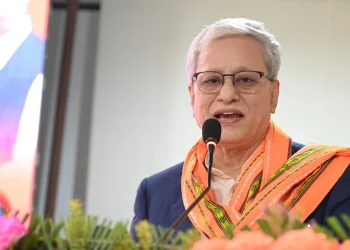
The UK High Commissioner to Kenya is the United Kingdom’s most senior diplomatic representative in the Republic of Kenya, heading the British High Commission in Nairobi. This role is crucial in maintaining and enhancing Kenya–UK bilateral relations, encompassing diplomacy, trade, development, security cooperation, and cultural exchange.
Because both nations are members of the Commonwealth of Nations, they appoint high commissioners instead of ambassadors, conducting diplomatic relations at the governmental level rather than between heads of state. This unique Commonwealth structure underscores the historical and political ties between Kenya and the United Kingdom.
The High Commissioner leads the UK’s diplomatic mission, overseeing all governmental relations, British aid programs, consular services for UK nationals in Kenya, and representing British interests across various sectors, including trade, climate action, and counter-terrorism cooperation.
Below is a chronological list of UK High Commissioners to Kenya since the country gained independence in 1963:
| Term | Name | Honorifics/Notes |
|---|---|---|
| 1963–1964 | Sir Geoffrey de Freitas | First High Commissioner after Kenya’s independence |
| 1964–1965 | Malcolm MacDonald | Later appointed Governor of Kenya Colony pre-independence |
| 1966–1968 | Sir Edward Peck | |
| 1968–1972 | Sir Eric Norris | |
| 1972–1975 | Sir Antony Duff | Later Deputy Governor of the Bank of England |
| 1975–1979 | Sir Stanley Fingland | Previously High Commissioner to Nigeria |
| 1979–1982 | Sir John Williams | |
| 1982–1986 | Sir Leonard Allinson | |
| 1986–1990 | Sir John Johnson | |
| 1990–1992 | Sir Roger Tomkys | Former Ambassador to Bahrain |
| 1992–1995 | Sir Kieran Prendergast | Later UN Under-Secretary-General for Political Affairs |
| 1995–1997 | Simon Hemans | |
| 1997–2001 | Sir Jeffrey James | |
| 2001–2005 | Sir Edward Clay | Known for strong stance against corruption in Kenya |
| 2005–2008 | Adam Wood | |
| 2008–2011 | Robert Macaire | Later Ambassador to Iran |
| 2011–2012 | Peter Tibber | Acting High Commissioner |
| 2012–2015 | Christian Turner | Led modernization of UK-Kenya diplomatic ties |
| 2015–2019 | Nic Hailey | Advocated UK-Kenya security partnership |
| 2019–2023 | Jane Marriott | First female UK High Commissioner to Kenya |
| 2023–Present | Neil Wigan | Current High Commissioner |
This esteemed list reflects both continuity and evolution in UK foreign policy priorities in Kenya—from post-independence support and Cold War diplomacy to modern issues like climate change, education, counter-terrorism, and digital development.
Kenya–UK Diplomatic Significance
The United Kingdom has historically played a key role in Kenya’s development, both during colonial administration and after independence. Modern relations are based on mutual cooperation, especially in areas like:
- Security (anti-terrorism, defense training)
- Health (vaccine partnerships, NHS collaboration)
- Climate and environment (green energy, reforestation)
- Trade and investment (UK is among Kenya’s top trading partners)
- Education (Commonwealth scholarships, academic exchanges)
The High Commissioner is also responsible for engaging with regional organizations, such as the African Union, and representing the UK in multilateral platforms hosted in Nairobi, including the United Nations Environment Programme (UNEP) and UN-Habitat.
As Kenya continues to play a significant role in East African politics, conflict resolution, and economic development, the role of the UK High Commissioner becomes increasingly pivotal in promoting bilateral and regional stability.
For further reading, you may explore the following: