Nyongesa Sande
No Result
View All Result
  • News
    • World
    • Africa
  • Politics
  • Business
  • Tech
  • AI
  • Telecom
  • Sports
  • Opinion
  • Lifestyle
  • Live
  • World Cup 2026
    • World Cup 2026 Standings
    • World Cup 2026
Nyongesa Sande
  • About Us
    • Nyosake Designers
      • Nyosake Webmasters
      • Nyosake Investment
  • Contact Us
    • Newsroom Contact
  • Ownership Disclosure
  • Advertise
No Result
View All Result
Nyongesa Sande
No Result
View All Result
  • News
  • Politics
  • Business
  • Tech
  • AI
  • Telecom
  • Sports
  • Opinion
  • Lifestyle
  • Live
  • World Cup 2026
ADVERTISEMENT

Home » Uganda-Kenya Border Conflict 1987–1990: Museveni vs Moi

Uganda-Kenya Border Conflict 1987–1990: Museveni vs Moi

Explore the near-war conflict between Uganda and Kenya after NRM's rise, triggered by rebel support, border clashes, and political suspicion.

NyongesaSande News Desk by NyongesaSande News Desk
12 months ago
in Africa
Reading Time: 3 mins read
A A
Kenyan-Ugandan border conflict

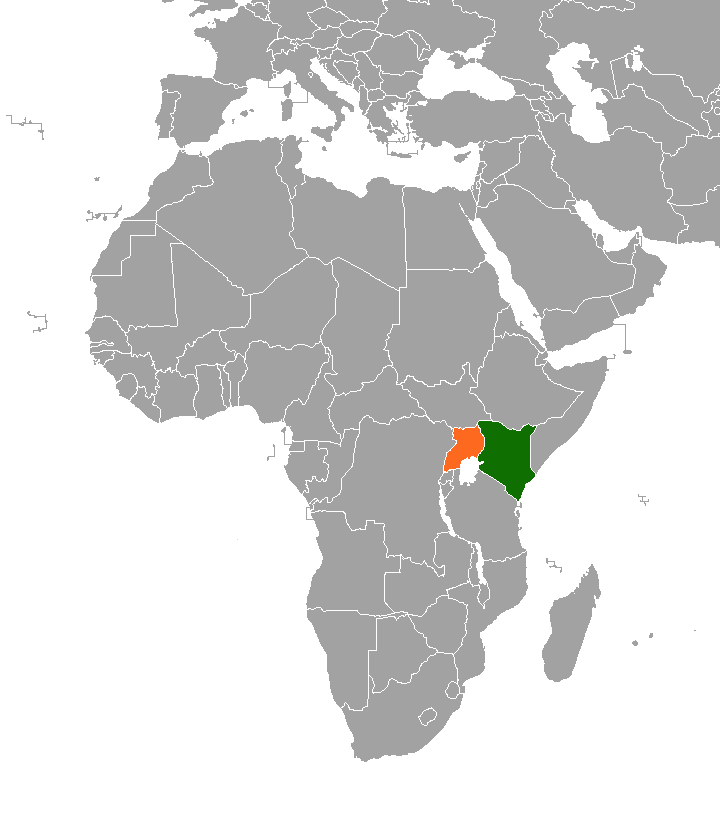
Map showing locations of both Kenya and Uganda

The Uganda-Kenya Border Conflict between 1987 and 1990 was a period marked by escalating military and political tensions between President Yoweri Museveni’s National Resistance Movement (NRM) and President Daniel arap Moi’s Kenyan government. Relations deteriorated rapidly as both leaders accused each other of harboring and supporting rebel groups.

  • Background: Rising Suspicion and Insurgent Ties
  • Busia Clashes and Border Standoff
  • NOM and Continued Hostilities
  • Normalization of Relations

Kenya suspected the left-leaning NRM of aiding the Mwakenya Movement, a socialist insurgent group opposed to the Kenyan government. In turn, Uganda accused Kenya of backing anti-NRM groups like the Uganda People’s Army (UPA). The result was a volatile situation, culminating in deadly border clashes that nearly plunged both nations into full-scale war.


Background: Rising Suspicion and Insurgent Ties

Following the NRM’s rise to power in 1986, relations between Kampala and Nairobi soured. President Moi viewed Museveni’s Marxist rhetoric with suspicion and believed Uganda was providing safe passage and logistical support to Mwakenya fighters. It was widely reported that Mwakenya rebels were allowed to travel freely through Uganda.

ADVERTISEMENT

In retaliation, Kenya allegedly funded and armed the UPA insurgency, which opposed the NRA (National Resistance Army)—the military wing of the NRM.


Busia Clashes and Border Standoff

Tensions boiled over in October 1987, when a firefight broke out between NRA and the Kenya Army at the border town of Busia. Museveni publicly accused Kenya of aiding anti-government forces and deployed troops to secure Uganda’s border. Moi warned that any violation of Kenyan territory would provoke retaliation.

ADVERTISEMENT

During this period, the Kenya Times, a pro-government publication, accused the NRM of spying, rebel support, and kidnapping Kenyan nationals, escalating public fears.

On 15 December 1987, a dramatic incident occurred at the soko mjinga market, a no-man’s land in Busia. A Ugandan veteran “kadogo” (child soldier) who had been arrested by Kenya’s JSU (Joint Security Unit) reportedly disarmed a Kenyan officer and escaped into Uganda with the weapon. This act ignited further violence.

In the ensuing clashes, at least 26 NRA soldiers and over 100 Kenyan soldiers were reportedly killed during a cross-border incident, threatening to trigger a full-scale war. Diplomatic intervention by Ethiopia’s Mengistu Haile Mariam and Tanzania’s Ali Hassan Mwinyi helped defuse the crisis—though the tensions remained high.

ADVERTISEMENT

NOM and Continued Hostilities

In 1988, a new rebel force known as the Ninth of October Movement (NOM) emerged, led by Dan Opito. NOM was suspected of having ties to former Ugandan President Milton Obote and began launching cross-border raids from Kenyan soil into eastern and northeastern Uganda.

In February 1989, NOM clashed with NRA forces at Usuku. The conflict escalated further when, in March 1989, the Ugandan Air Force bombed the Kenyan town of Lokichogio, a move that brought both countries to the brink of war once more.


Normalization of Relations

Despite repeated clashes and accusations, outright war was narrowly avoided. It wasn’t until August 1990 that Presidents Moi and Museveni met face-to-face and agreed to normalize diplomatic relations, ending three years of hostility and suspicion.

Tags: 1987 Busia firefightLokichogio bombingMuseveni Moi relationsMwakenya MovementNOM rebels UgandaNRA border clashesUganda-Kenya Border ConflictUPA insurgents Kenya
Share2Tweet1SendShareScanSharePinShareShare
Google Add as a Preferred Source on Google
Previous Post

Karen Blixen Museum Nairobi: History, Tours, and Hours

Next Post

Intersex Rights in Kenya: Legal Progress and Ongoing Challenges

NyongesaSande News Desk

NyongesaSande News Desk

Nyongesa Sande offers diverse content across news, technology, entertainment, and more, aiming to provide readers with a wide range of informative and engaging articles. NYONGESA SANDE's dedicated team provides our audience not only with the highly relevant news but also with outstanding interactive experience.

Related Posts

The East African Legislative Assembly
East African Community

EAC Largest Cities: Missing Population Centres Added

2 weeks ago
UN Nairobi Investment Signals Africa’s New Global Role
Africa

UN Nairobi Investment Signals Africa’s New Global Role

2 weeks ago
Eastern Africa Cities: Top 10 Leading Urban Centres in 2026
Africa

Kenya Africa Hub: Why Nairobi Anchors the Continent

2 weeks ago
Filing KRA Returns Via WhatsApp in 7 Steps
Kenya Revenue Authority (KRA)

KRA Tax Returns Filing Gets Easier for Kenyans in 2026

2 weeks ago
nairobi skyline 2026
Africa

Eastern Africa Cities: Top 10 Leading Urban Centres in 2026

3 weeks ago
Filing KRA Returns Via WhatsApp in 7 Steps
Kenya Revenue Authority (KRA)

Filing KRA Returns Via WhatsApp: A Simple Guide for Kenyans

3 weeks ago
Load More
Next Post
Intersex flag, using colors that are non-derivative of endosex-associated colours pink and blue. The circle symbolises wholeness.

Intersex Rights in Kenya: Legal Progress and Ongoing Challenges

Greece–Kenya relations include diplomatic, trade, and legal cooperation, highlighted by historical ties, agreements, and growing tourism and commerce.

Greece–Kenya Relations: Diplomacy, Trade and Historical Ties

ADVERTISEMENT

Who We Are

Nyongesa Sande

NyongesaSande.com is a digital news and media platform covering breaking news, business, technology, AI, politics, sports, world affairs and African innovation.

News Sections

  • News
    • World
    • Africa
  • Politics
  • Business
  • Tech
  • AI
  • Telecom
  • Sports
  • Opinion
  • Lifestyle
  • Live
  • World Cup 2026
    • World Cup 2026 Standings
    • World Cup 2026

Editorial Standards

  • Editorial Policy
  • Fact Checking Policy
  • Corrections Policy
  • Ethics Policy
  • AI Usage Policy
  • News Tips
  • Submit Press Release

Legal

  • Privacy Policy
  • Terms of Use
  • Cookie Policy
  • Disclaimer
  • Risk Disclaimer
  • DMCA
  • Ad Choices

Our Company

  • About Us
    • Nyosake Designers
      • Nyosake Webmasters
      • Nyosake Investment
  • Contact Us
    • Newsroom Contact
  • Ownership Disclosure
  • Advertise
  • Privacy Policy
  • Terms of Use
  • Cookie Policy
  • Disclaimer
  • Risk Disclaimer
  • DMCA
  • Ad Choices

NyongesaSande.com is an independent digital news and media platform covering Africa, business, technology, AI, politics and global developments.

© 2026 NyongesaSande.com. All rights reserved.

No Result
View All Result
  • News
    • World
    • Africa
  • Politics
  • Business
  • Tech
  • AI
  • Telecom
  • Sports
  • Opinion
  • Lifestyle
  • Live
  • World Cup 2026
    • World Cup 2026 Standings
    • World Cup 2026

NyongesaSande.com is an independent digital news and media platform covering Africa, business, technology, AI, politics and global developments.

© 2026 NyongesaSande.com. All rights reserved.