The bilateral history of Greece–Kenya relations is rooted in decades of diplomatic and legal cooperation. Greece maintains a full embassy in Nairobi and an Honorary Consulate in Mombasa. Kenya, in turn, is accredited to Greece through its embassy in Rome, Italy. The ties between the two nations reflect growing engagement in legal affairs, tourism, trade, and political exchanges.
Over the years, Greece and Kenya have signed several key bilateral agreements. These include a Negotiation Protocol between their Foreign Ministries (1998), and an Economic and Technological Cooperation Agreement signed the same year. Longstanding treaties, such as the 1936 Legal Aid Agreement and 1910 Extradition Agreement—initially involving England—have been extended through joint agreements in 1967. A Tourist Agreement, negotiated in 2003, remains pending signature, indicating untapped potential for tourism collaboration.
A significant moment in Greece–Kenya political relations occurred in November 1998, when Greek Foreign Minister Theodoros Pangalos visited Kenya. However, relations were briefly strained following the 1999 Abdullah Öcalan affair, when the Greek consul in Nairobi, George Costoulas, offered shelter to the PKK leader at the Greek Embassy. Öcalan had fled several countries before arriving in Kenya. He was eventually captured by Turkish forces with help from Kenyan security. The fallout led to a political shakeup in Kenya, including Cabinet reshuffles, ministerial resignations, and diplomatic consequences in both countries. Greece dismissed three of its officials over the incident, while Kenya reassigned or removed top figures including the Police Commissioner and Finance Minister.
Despite this tension, both nations quickly restored their diplomatic ties. When Greece held the EU Presidency in 2003, it emphasized strengthening partnerships with African nations. This strategic position enabled closer cooperation with Kenya, which was playing a pivotal role in regional peacebuilding through IGAD, especially on the Southern Sudan issue.
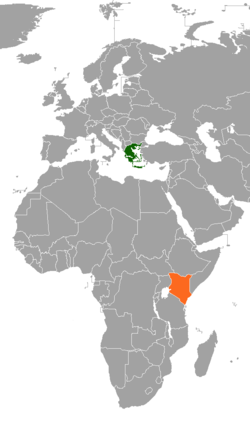
Economic cooperation has been steadily developing. In 2001, the Athens Chamber of Trade and Industry conducted an exploratory mission to Kenya. The goal was to identify sectors with high trade potential, focusing on foodstuffs, pharmaceuticals, and cosmetics. The upcoming trade framework between the EU and ACP countries, anticipated in 2007, was expected to further enhance Kenya–Greece trade relations.
Tourism is another promising area. The number of Greek tourists visiting Kenya—especially through package tours—has been on the rise, demonstrating Kenya’s appeal as a safari and coastal destination.