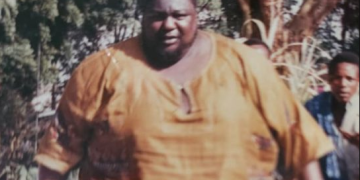
Tshala Muana was one of the most influential figures in African music, widely recognized for popularizing the Mutuashi sound beyond the Democratic Republic of Congo. Known as the “Queen of Mutuashi” and affectionately called “Mamu National,” she blended traditional rhythms with modern Congolese rumba and soukous to create a unique and enduring musical legacy.
Early Life and Background
Élisabeth Tshala Muana Muidikay was born on 13 March 1958 in Élisabethville, now Lubumbashi, in the Democratic Republic of Congo. She grew up in a large family as the second of ten children. Her father, Amadeus Muidikayi, was a soldier, while her mother, Alphonsine Bambiwa Tumba, managed the household.
Tragedy struck early in her life. At the age of six, she lost her father under violent circumstances. As a result, her mother raised her single-handedly, shaping her resilience and determination. This early hardship later influenced her artistic expression and cultural identity.
Career and Rise to Fame
Tshala Muana began her career in 1977 as a dancer with the group Tsheke Tsheke Love. Her stage presence and mastery of traditional dance soon set her apart. Eventually, she transitioned into singing, marking the beginning of a prolific musical journey.
She rose to prominence in the 1980s with her distinct Mutuashi style, a traditional rhythm from the Kasai region. Unlike mainstream Congolese rumba, Mutuashi emphasized cultural roots, rhythmic percussion, and expressive dance. Through her innovation, Tshala Muana transformed this regional sound into an internationally recognized genre.
Over the years, she released more than 20 albums and performed across Africa, Europe, and beyond. Some of her most notable songs include Karibu Yangu, Antidote, and Amina. Her music also featured in the soundtrack of the iconic Congolese film La Vie est Belle (1987), further cementing her place in popular culture.
Moreover, her collaborations, including a notable duet with Papa Wemba, expanded her influence within the African music industry. She earned multiple awards and honors for her contribution to music and cultural preservation.
Musical Style and Influence
Tshala Muana’s music stood out for its fusion of traditional and modern elements. While rooted in Mutuashi, she incorporated soukous and Congolese rumba to appeal to broader audiences. Her energetic dance style, vibrant costumes, and powerful vocals made her performances unforgettable.
Importantly, she played a key role in preserving Luba cultural identity through music. Her work inspired a new generation of artists and helped elevate Congolese music on the global stage.
Personal Life and Political Involvement
Beyond music, Tshala Muana was known for her political engagement. She openly supported former President Joseph Kabila and was associated with the People’s Party for Reconstruction and Democracy (PPRD).
In 2020, she attracted controversy after releasing the song Ingratitude, which many interpreted as political commentary. This led to her brief arrest by authorities, highlighting the intersection of art and politics in her career.
Death and Legacy
In June 2020, rumors of her death circulated after she suffered a stroke, but she later recovered. However, on 10 December 2022, Tshala Muana passed away in Kinshasa at the age of 64.
Her death marked the end of an era in African music. Fellow artists and fans paid tribute to her as a cultural icon and a pioneer of Mutuashi. She left behind a powerful legacy defined by innovation, cultural pride, and artistic excellence.
Discography Highlights
Throughout her career, Tshala Muana released numerous albums, including:
- 1982: Kangungu
- 1983: Tshala Muana à Paris [volumes 1 to 4]
- 1984: Tshala Muana
- 1985: M’Pokolo
- 1985: Kami
- 1988: Nasi Nabali
- 1988: La Divine
- 1988: Biduaya
- 1989: Munanga
- 1990: Tshibola
- 1990: Mady
- 1990: Tshala Muana Dans Un Duo Pour L’Éternité With Papa Wemba
- 1991: The Flying Star
- 1994: Ntambue
- 1996: Mutuashi
- 1999: Pika Pende
- 2003: Malu
- 2004: Tshanza
- 2007: Tshikuna Fou
- 2009: Sikila
- 2016: Lunzenze
- Singles and EPs
- 1981: “Amina” / “Tshebele”
- 1987: “Antidote”
- 1988: “Karibu Yangu”
Notable singles include Amina, Antidote, and Karibu Yangu.
Conclusion
Tshala Muana remains one of the most celebrated artists in African history. Her role in popularizing Mutuashi, combined with her global influence and cultural impact, secured her place as a true icon of Congolese music. Even after her passing, her music continues to inspire audiences and preserve the rich heritage of the Kasai region.