Diagnostic Centers in the United States are essential to modern healthcare because most medical decisions depend on accurate testing, imaging, pathology, and timely interpretation. Whether a patient needs a blood test, MRI, CT scan, ultrasound, genetic test, cancer screening, cardiac imaging, biopsy review, or preventive health panel, diagnostic centers help physicians detect disease, monitor treatment, and make safer clinical decisions.
The U.S. diagnostic market includes hospital-based diagnostic departments, national laboratory networks, outpatient imaging chains, academic pathology laboratories, private preventive screening centers, and specialty testing companies. Major names such as Mayo Clinic Laboratories, Cleveland Clinic, Quest Diagnostics, Labcorp, RadNet, Johns Hopkins, and UCLA Health all play different roles in the diagnostic ecosystem.
This sector is highly regulated. The Clinical Laboratory Improvement Amendments, known as CLIA, set federal quality standards for U.S. laboratories that test human specimens for health assessment, diagnosis, prevention, or treatment. CMS says CLIA aims to ensure laboratory test results are accurate, reliable, and timely.
This guide profiles some of the best Diagnostic Centers in the United States, explains the industry, highlights major trends, and gives patients practical advice on choosing a trustworthy provider. This article is informational only and should not replace medical advice from a licensed healthcare professional.
Industry Overview: Diagnostic Centers in the United States
The U.S. diagnostic sector is divided into several major categories: clinical laboratories, pathology laboratories, imaging centers, hospital diagnostic departments, molecular diagnostics companies, genetic testing providers, and preventive screening centers.
Clinical laboratories process blood, urine, tissue, saliva, and other specimens. Imaging centers provide services such as MRI, CT, X-ray, ultrasound, mammography, PET scans, and cardiac imaging. Pathology departments examine tissue, cells, and biopsies to diagnose cancer, infection, inflammation, and other diseases. Molecular and genetic laboratories provide advanced testing for inherited disease, cancer mutations, infectious disease, pharmacogenomics, and reproductive health.
Scale matters in diagnostics. Quest Diagnostics says it has more than 2,000 U.S. locations, performs more than 200 million tests annually, and offers more than 3,500 lab tests. RadNet describes itself as the largest provider of freestanding, fixed-site outpatient diagnostic imaging in the country, with 440 centers as of May 10, 2026.
At the same time, academic diagnostic centers are important for complex cases. Mayo Clinic’s Laboratory Medicine and Pathology department performs more than 27.6 million tests annually and supports diagnostic and therapeutic evaluations. These large academic systems are especially valuable when a patient needs subspecialty pathology, rare disease testing, or integrated review by multiple specialists.
Ranking Methodology
This directory evaluates diagnostic centers based on reputation, service range, geographic access, laboratory quality, imaging capability, specialty depth, clinical integration, patient convenience, accreditation relevance, and usefulness for different diagnostic needs.
The list includes national laboratory networks, imaging chains, academic medical centers, and hospital-based diagnostic programs because patients use diagnostic services in different ways. A routine cholesterol test may be best handled by a convenient national lab. A complex cancer biopsy may require academic pathology review. An MRI may be easier at an outpatient imaging network. A rare disease workup may need a major medical center.
This is not a medical endorsement. Patients should verify insurance coverage, physician orders, accreditation, pricing, report turnaround, and whether the center is appropriate for their specific test.
Best Diagnostic Centers in the United States
Mayo Clinic Laboratories
Overview
Mayo Clinic Laboratories is one of the most respected diagnostic testing organizations in the United States. It is connected to Mayo Clinic and supports physicians with advanced laboratory testing, pathology, and specialty diagnostics. Mayo Clinic’s Laboratory Medicine and Pathology department is one of the largest clinical laboratories in the world and performs more than 27.6 million tests annually.
Mayo is especially relevant for complex testing, rare conditions, specialty pathology, and cases where diagnostic interpretation needs deep medical expertise. It is not only a place for routine lab work; it is a referral destination for advanced testing that may not be available in smaller laboratories.
Services Offered
Services include clinical laboratory testing, pathology consultation, genetic testing, infectious disease testing, oncology testing, neurology testing, cardiovascular testing, autoimmune testing, and specialty diagnostics.
Patients Served
Mayo Clinic Laboratories serves physicians, hospitals, health systems, clinics, patients, researchers, and specialty medical programs.
Notable Features
The organization is connected to Mayo Clinic’s broader clinical and research environment.
Competitive Advantages
Its main advantage is specialist depth and diagnostic complexity. Mayo is especially strong when ordinary testing is not enough.
Headquarters
Rochester, Minnesota.
Website
mayocliniclabs.com
Why It Stands Out
Mayo Clinic Laboratories stands out for advanced diagnostic testing, complex pathology, and high-level clinical interpretation.
Quest Diagnostics
Overview
Quest Diagnostics is one of the largest diagnostic laboratory companies in the United States. It provides broad access to routine and specialized lab testing through patient service centers, physician offices, hospitals, employers, and health plans.
Quest says it has more than 2,000 convenient locations across the United States, performs more than 200 million tests annually, and offers more than 3,500 lab tests. This scale makes Quest one of the most important diagnostic access points for American patients.
Services Offered
Services include blood testing, urine testing, preventive screening, infectious disease testing, hormone testing, diabetes monitoring, cardiovascular testing, allergy testing, cancer-related testing, and employer health testing.
Patients Served
Quest serves patients, physicians, employers, hospitals, health systems, insurers, and public health programs.
Notable Features
Quest is widely used for routine outpatient lab testing and physician-ordered diagnostics.
Competitive Advantages
Its advantage is access. Patients in many parts of the country can find a nearby Quest location.
Headquarters
Secaucus, New Jersey.
Website
questdiagnostics.com
Why It Stands Out
Quest Diagnostics stands out for national access, high test volume, and broad routine laboratory services.
Labcorp
Overview
Labcorp is another major U.S. diagnostic laboratory company serving patients, physicians, employers, health systems, pharmaceutical companies, and researchers. It provides routine lab testing, specialty diagnostics, oncology testing, women’s health testing, genetic testing, and drug-development support.
Labcorp is especially relevant for patients who need accessible outpatient testing through a large national network. It also has major capabilities in specialty testing and laboratory data, making it important in both clinical care and life sciences.
Services Offered
Services include routine blood testing, urine testing, oncology diagnostics, women’s health testing, genetic testing, infectious disease testing, occupational testing, clinical trials support, and direct-to-consumer testing options.
Patients Served
Labcorp serves patients, providers, hospitals, employers, health plans, pharmaceutical companies, and researchers.
Notable Features
Labcorp combines patient diagnostics with broader drug development and life sciences services.
Competitive Advantages
Its advantage is scale, specialty testing, and integration with clinical research.
Headquarters
Burlington, North Carolina.
Website
labcorp.com
Why It Stands Out
Labcorp stands out for national laboratory access, specialty diagnostics, and broad healthcare industry reach.
RadNet
Overview
RadNet is one of the largest outpatient diagnostic imaging providers in the United States. It operates freestanding imaging centers and provides MRI, CT, X-ray, ultrasound, mammography, PET/CT, nuclear medicine, and other imaging services.
RadNet describes itself as the largest provider of freestanding, fixed-site outpatient diagnostic imaging in the country, with 440 centers as of May 10, 2026. This makes it highly relevant for patients and physicians who need outpatient imaging outside a hospital setting.
Services Offered
Services include MRI, CT, ultrasound, X-ray, mammography, PET/CT, nuclear medicine, DEXA scans, fluoroscopy, and interventional radiology services at selected locations.
Patients Served
RadNet serves patients, physicians, health systems, insurers, employers, and outpatient care networks.
Notable Features
Its large imaging network provides broad access in multiple U.S. markets.
Competitive Advantages
Its advantage is outpatient imaging scale and convenience.
Headquarters
Los Angeles, California.
Website
radnet.com
Why It Stands Out
RadNet stands out for patients needing accessible outpatient imaging services across a large center network.
Cleveland Clinic Diagnostic Services
Overview
Cleveland Clinic is one of the country’s major academic health systems and offers extensive diagnostic services across laboratory medicine, radiology, pathology, imaging, heart testing, cancer diagnostics, and specialty evaluations.
Cleveland Clinic is especially valuable for patients whose diagnostic needs are connected to complex medical problems. A patient with heart disease, cancer, neurological symptoms, autoimmune disease, or unexplained illness may benefit from diagnostic testing integrated with specialist care.
Services Offered
Services include laboratory testing, pathology, radiology, cardiac imaging, cancer diagnostics, genetic testing, neurological testing, endoscopy, and specialty diagnostic evaluation.
Patients Served
Cleveland Clinic serves local, national, and international patients, including people with complex or multisystem conditions.
Notable Features
The system combines diagnostic testing with access to leading specialty departments.
Competitive Advantages
Its advantage is integration between testing and specialist interpretation.
Headquarters
Cleveland, Ohio.
Website
my.clevelandclinic.org
Why It Stands Out
Cleveland Clinic Diagnostic Services stands out for patients who need advanced diagnostics connected to specialist treatment.
Johns Hopkins Diagnostic Services
Overview
Johns Hopkins Medicine offers advanced diagnostic services through its hospitals, laboratories, imaging centers, pathology departments, and specialty clinics. Its academic medical environment makes it especially relevant for complex cases, second opinions, and rare disease evaluation.
Johns Hopkins is known for research, specialty medicine, and high-level clinical interpretation. Patients with difficult diagnoses may benefit from diagnostic evaluation connected to experienced specialists.
Services Offered
Services include laboratory testing, radiology, pathology, genetic testing, cancer diagnostics, neurological testing, cardiac imaging, and specialty diagnostic workups.
Patients Served
Johns Hopkins serves local patients, national referrals, international patients, physicians, and people with complex medical conditions.
Notable Features
It is connected to a major academic medical system with strong research and clinical programs.
Competitive Advantages
Its advantage is academic diagnostic depth and specialty collaboration.
Headquarters
Baltimore, Maryland.
Website
hopkinsmedicine.org
Why It Stands Out
Johns Hopkins stands out for complex diagnostic workups, academic interpretation, and specialty-linked testing.
UCLA Health Diagnostic Services
Overview
UCLA Health provides advanced diagnostic services through its hospitals, clinical laboratories, pathology department, imaging centers, and specialty programs. It is especially relevant for patients in Southern California who need diagnostic testing connected to academic medicine.
UCLA Health combines routine diagnostics with complex testing and specialty interpretation. Patients may use UCLA for imaging, cancer diagnostics, pathology review, genetic testing, and advanced laboratory evaluation.
Services Offered
Services include laboratory medicine, pathology, radiology, MRI, CT, ultrasound, mammography, PET imaging, cancer diagnostics, genetic testing, and specialty workups.
Patients Served
UCLA Health serves patients in California, national referrals, international patients, physicians, and complex-care programs.
Notable Features
UCLA’s diagnostic services are connected to a major academic health system.
Competitive Advantages
Its advantage is advanced testing integrated with specialists and academic clinical care.
Headquarters
Los Angeles, California.
Website
uclahealth.org
Why It Stands Out
UCLA Health stands out for academic diagnostic care, advanced imaging, and specialty-linked testing in the West Coast market.
SimonMed Imaging
Overview
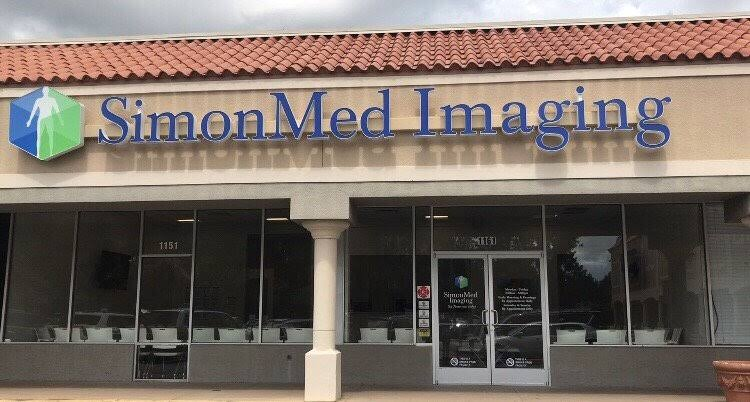
SimonMed Imaging is a large outpatient medical imaging provider with locations across several U.S. states. It offers MRI, CT, X-ray, ultrasound, mammography, DEXA scans, and other imaging services.
The company is relevant for patients who need convenient imaging access without going through a hospital-based radiology department. Outpatient imaging centers can sometimes offer easier scheduling, lower costs, and faster access than hospital imaging, depending on insurance and location.
Services Offered
Services include MRI, CT, X-ray, ultrasound, mammography, DEXA, nuclear medicine, and specialized imaging at selected locations.
Patients Served
SimonMed serves patients, physicians, insurers, employers, and outpatient healthcare providers.
Notable Features
It operates a large outpatient imaging network in multiple states.
Competitive Advantages
Its advantage is convenient outpatient imaging access.
Headquarters
Scottsdale, Arizona.
Website
simonmed.com
Why It Stands Out
SimonMed stands out for patients seeking outpatient imaging across a multi-state network.
Industry Trends Affecting Diagnostic Centers in the United States
Growth of Outpatient Testing
Patients and insurers are increasingly using outpatient laboratories and imaging centers because they can be more convenient and sometimes less expensive than hospital-based testing.
Molecular and Genetic Diagnostics
Genetic testing, cancer mutation testing, pharmacogenomics, and molecular infectious disease testing are becoming more common. These tests can support precision medicine but require careful interpretation.
More Regulatory Scrutiny
Laboratory-developed tests have received greater regulatory attention. Reuters reported that the FDA issued a rule to increase oversight of diagnostic tests developed by clinical laboratories, reflecting concern over test accuracy and reliability.
Artificial Intelligence in Imaging
AI tools are increasingly used to support radiology workflows, image triage, mammography reading, lung screening, and operational efficiency. Patients should understand that AI supports clinicians; it should not replace qualified medical interpretation.
Direct-to-Consumer Testing
More companies now allow patients to order selected tests directly. This can improve access but also creates risk if patients misunderstand results without medical guidance.
Price Transparency Pressure
Patients are demanding clearer prices for lab tests, imaging, and preventive screening. Costs can vary sharply by facility, insurance network, and billing model.
Buyer’s Guide: How to Choose a Diagnostic Center
Start With the Doctor’s Order
Most diagnostic tests should be guided by a licensed clinician. Ask your doctor why the test is needed, what it can show, and how results will affect treatment.
Check Accreditation and Regulation
For lab testing, verify CLIA certification where applicable. For imaging, look for relevant accreditation and qualified radiologists. CLIA rules apply to U.S. facilities that test human specimens for health assessment or diagnosis.
Confirm Insurance and Pricing
Ask whether the center is in-network, what your out-of-pocket cost may be, and whether prior authorization is needed. Imaging costs can vary widely.
Ask About Turnaround Time
Some routine lab results may return quickly, while pathology, genetic testing, and specialty diagnostics can take longer. Ask when your doctor will receive the report.
Understand Who Interprets the Result
A test is only useful if interpreted correctly. Ask whether results are reviewed by board-certified pathologists, radiologists, genetic counselors, or relevant specialists.
Watch for Red Flags
Red flags include unclear pricing, unverified credentials, no physician involvement, exaggerated screening claims, poor privacy practices, and pressure to buy large test panels without medical need.
Why Diagnostic Centers Matter in the United States
Diagnostic centers matter because they shape almost every major medical decision. Doctors use test results to diagnose disease, monitor treatment, detect cancer, assess heart risk, confirm infections, evaluate organ function, and guide surgery.
Reliable diagnostics can reduce unnecessary treatment, speed up care, detect disease earlier, and help patients avoid complications. Poor diagnostics can lead to missed disease, false alarms, unnecessary procedures, or delayed treatment.
The best diagnostic centers combine technology, quality control, medical interpretation, data security, patient access, and ethical testing practices.
Conclusion
Diagnostic Centers in the United States range from national laboratory networks and outpatient imaging chains to academic medical centers and specialty pathology programs. Mayo Clinic Laboratories is a leader in advanced diagnostic testing. Quest Diagnostics and Labcorp provide broad national laboratory access. RadNet and SimonMed are major outpatient imaging providers. Cleveland Clinic, Johns Hopkins, and UCLA Health stand out for diagnostic testing connected to major academic medical systems.
The right provider depends on the test. Routine bloodwork may require convenience and insurance coverage. MRI or CT imaging may require accredited radiology and fast scheduling. Complex cancer, genetic, or rare disease testing may benefit from academic pathology and specialist interpretation. Patients should prioritize accuracy, accreditation, transparency, and clinical guidance when choosing Diagnostic Centers.
Frequently Asked Questions
What are the best diagnostic centers in the United States?
Some of the best-known diagnostic centers and diagnostic networks in the United States include Mayo Clinic Laboratories, Quest Diagnostics, Labcorp, RadNet, Cleveland Clinic Diagnostic Services, Johns Hopkins Diagnostic Services, UCLA Health Diagnostic Services, and SimonMed Imaging. The best choice depends on the test needed, location, insurance, urgency, and whether the patient needs routine testing, imaging, pathology, or complex specialty diagnostics.
What is a diagnostic center?
A diagnostic center is a healthcare facility that performs tests or imaging to help detect, diagnose, monitor, or rule out medical conditions. Services may include blood tests, urine tests, X-rays, MRI, CT scans, ultrasound, mammography, pathology, genetic testing, infectious disease testing, and cancer screening. Some centers focus on laboratories, while others focus on imaging or specialty diagnostics.
What is the difference between a laboratory and an imaging center?
A laboratory tests specimens such as blood, urine, saliva, tissue, or cells. An imaging center uses machines such as MRI, CT, X-ray, ultrasound, mammography, or PET scans to create images of the body. Both are diagnostic centers, but they use different methods and require different specialists.
Are Quest Diagnostics and Labcorp reliable?
Quest Diagnostics and Labcorp are two of the largest diagnostic laboratory companies in the United States. They are widely used by physicians, hospitals, employers, and patients. Reliability depends on proper ordering, collection, handling, testing, and interpretation. Patients should always review results with a licensed healthcare professional.
What is CLIA certification?
CLIA certification refers to federal standards for laboratories that test human specimens for health assessment, diagnosis, prevention, or treatment. CDC says CLIA regulations apply to all U.S. facilities or sites that test human specimens for health or disease assessment. Patients can ask whether a lab is CLIA-certified before testing.
How do I choose a diagnostic center?
Choose a diagnostic center based on the type of test, physician recommendation, accreditation, insurance coverage, cost, location, turnaround time, technology, and who interprets the result. For complex cases, choose a center connected to specialists or an academic medical system.
Are outpatient imaging centers cheaper than hospitals?
Outpatient imaging centers can sometimes be less expensive than hospital imaging departments, but prices depend on insurance, location, facility fees, and network status. Patients should ask for an estimate and confirm whether prior authorization is needed.
What should I ask before an MRI or CT scan?
Ask why the scan is needed, whether contrast is required, what risks apply, how long it will take, who will read the scan, when results will be available, and what your out-of-pocket cost may be. Also tell the center about allergies, kidney disease, pregnancy, implants, or metal devices.
Can I order my own lab tests?
Some companies allow direct-to-consumer or self-ordered lab tests. This can be convenient for selected tests, but results may be confusing without medical context. Patients should discuss abnormal results with a licensed clinician and avoid over-testing without a clear reason.
What are red flags when choosing a diagnostic center?
Red flags include unclear pricing, no accreditation information, poor reviews, unqualified interpretation, pressure to buy unnecessary test panels, unrealistic health claims, weak privacy policies, and no clear process for sending results to your doctor.
Why do diagnostic test prices vary so much?
Prices vary because of insurance contracts, facility fees, location, test complexity, technology, staffing, lab processing, radiologist or pathologist interpretation, and whether the center is in-network. Hospital-based tests may cost more than outpatient tests in some cases.
How long do diagnostic results take?
Routine blood tests may be available within days or sooner, while pathology, genetic testing, specialty panels, and complex imaging reports may take longer. Turnaround time depends on the test, lab workload, specimen transport, and whether specialist review is needed.
Are full-body scans worth it?
Full-body scans are controversial. They may find unexpected issues, but they can also produce false positives, anxiety, unnecessary follow-up tests, and radiation exposure depending on the scan. Patients should discuss risks and benefits with a physician before paying for broad screening.
What is pathology testing?
Pathology testing involves examining tissue, cells, or fluids to diagnose disease. It is especially important in cancer diagnosis, biopsies, surgical specimens, infections, and inflammatory conditions. Pathologists are physicians trained to interpret these specimens.
Should I get a second opinion on diagnostic results?
A second opinion can be useful for complex imaging, cancer pathology, rare diseases, genetic results, or major treatment decisions. Many academic medical centers offer pathology or radiology review services for outside cases.
Read Also: Best Fertility Clinics in the United States