Samsung has made an exciting forecast for the demand of its memory chips in 2026 and 2027. Speaking at Semicon Korea, Song Jai-hyuk, the CTO of Samsung’s Device Solutions division, confirmed that the company expects the memory chip market to remain strong, driven by the growing needs of AI hyperscalers. These companies are rapidly building out vast cloud infrastructures to handle the skyrocketing compute requirements of AI technologies.
As demand for cloud-based services and AI accelerates, memory prices have surged, and Samsung has been at the forefront of meeting these demands. In response, Samsung has been focusing on the mass production of HBM4 (High Bandwidth Memory), with the new memory chips already receiving positive feedback from early corporate customers who have praised the performance of HBM4.
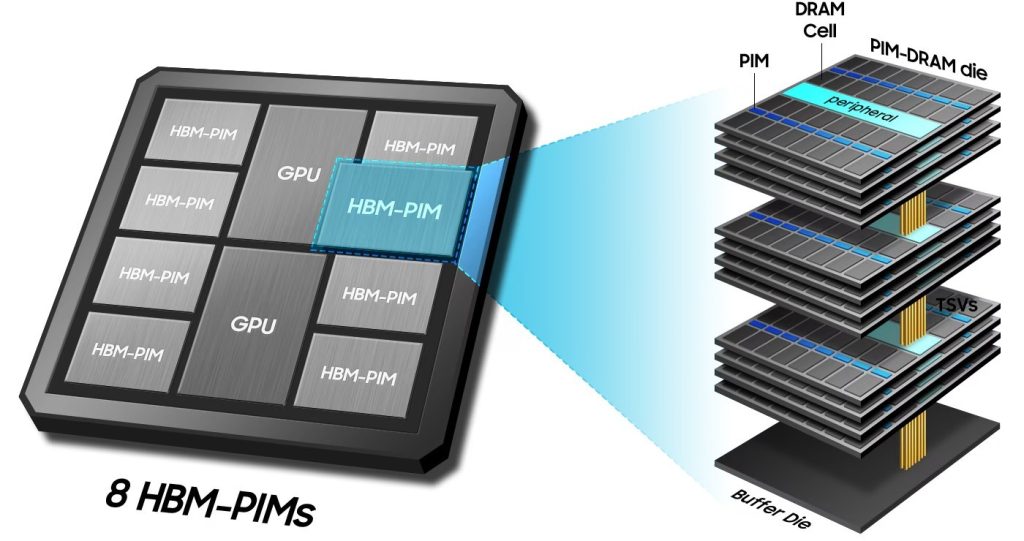
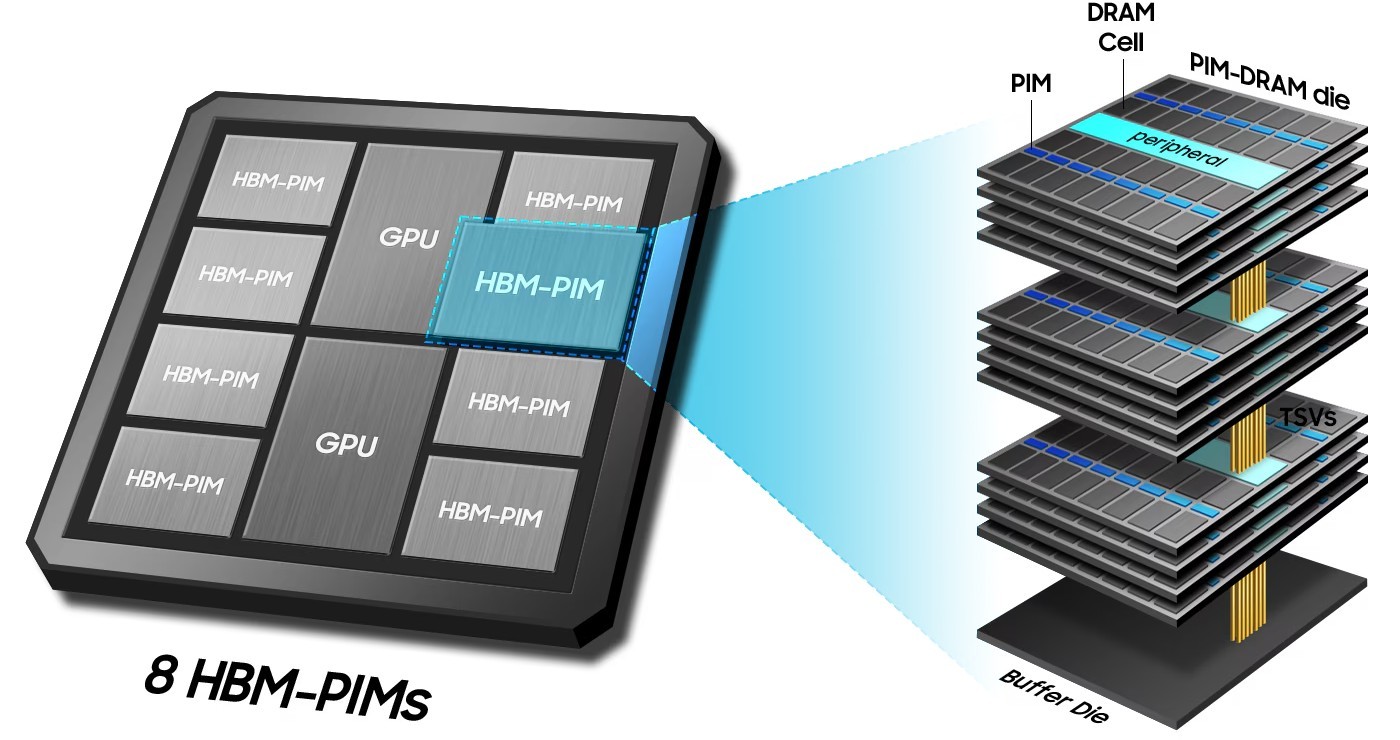
The company is also working on advanced memory technologies, such as hybrid bonding and zHBM, to boost performance and power efficiency, ensuring that they continue to meet the needs of the next-generation AI systems. With custom HBM designs and processing-in-memory (PIM) innovations, Samsung aims to revolutionize memory architecture by integrating compute capabilities directly into the memory.
As the demand for high-performance memory continues to rise, Samsung’s strategic advancements are poised to place them at the heart of AI-powered cloud infrastructures and next-gen computing.
High Bandwidth Memory 4 (HBM4)
Samsung is pushing forward with HBM4, the latest evolution in high-speed memory. With a focus on AI hyperscalers, HBM4 is designed to handle massive data processing, making it an essential component for cloud infrastructure. Early feedback has been overwhelmingly positive, with corporate customers already reporting “very satisfactory” performance after receiving initial shipments.
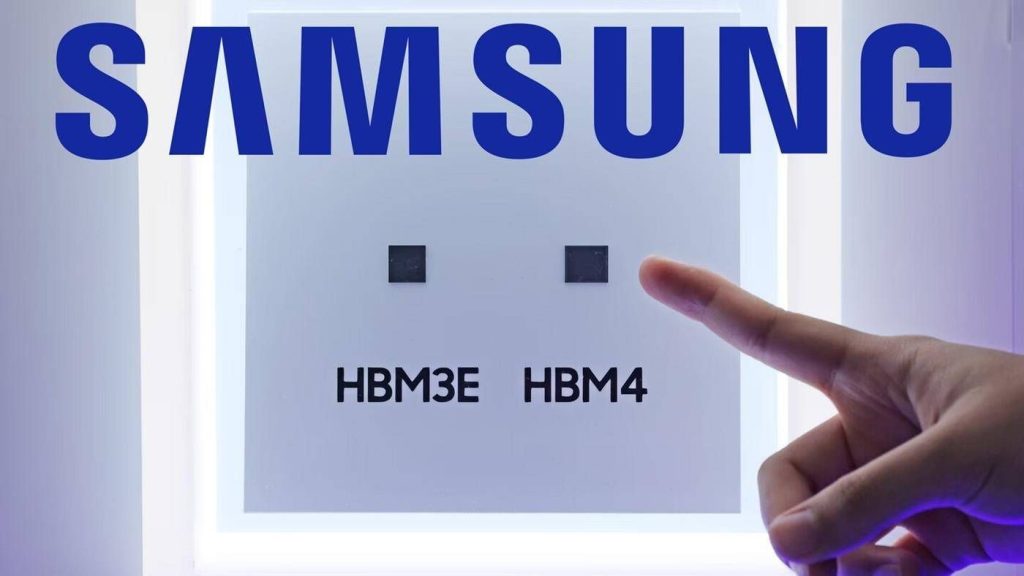
HBM4 is expected to deliver enhanced performance over its predecessors, such as HBM3E, which already saw high demand in 2025. This latest version is poised to be the go-to memory for high-bandwidth applications, including AI and high-performance computing (HPC).
Hybrid Bonding Technology: Lower Temperatures, Higher Efficiency
One of the most groundbreaking advancements in HBM4 is Samsung’s hybrid bonding technology, designed to improve heat dissipation and performance. Hybrid bonding is a technology that allows for better thermal management, reducing the thermal resistance of stacked memory dies by 20%. In tests, this led to an 11% reduction in temperature on the base die, which helps ensure consistent performance under heavy workloads.
By reducing thermal resistance, Samsung’s hybrid bonding improves the durability and reliability of its memory solutions. This will be critical as AI hyperscalers demand more from cloud infrastructure, which requires high-performance components to operate at peak efficiency.
zHBM: 4x Bandwidth, 25% Less Power
Another exciting development from Samsung is zHBM, which stacks memory dies in the Z-axis. This innovative approach promises to deliver 4x more bandwidth while simultaneously reducing power consumption by 25%. zHBM is ideal for the data-intensive applications of tomorrow, enabling AI, machine learning, and HPC systems to process vast amounts of data faster and more efficiently.
This technology is expected to revolutionize memory architecture, making it more suitable for applications that require massive data throughput without draining excessive power. Samsung’s zHBM will likely play a pivotal role in powering cloud AI infrastructure in the coming years.
Custom HBM Designs: Integrating Compute and Memory (PIM)
Samsung is also developing custom HBM designs with processing-in-memory (PIM) capabilities. PIM integrates compute directly into the memory, allowing for 2.8x performance increases without compromising power efficiency. This development represents a major leap forward in memory architecture as it allows for faster data processing and reduced bottlenecks.
With PIM, memory no longer acts solely as a passive storage unit; it actively participates in data processing, improving overall system efficiency. This technology is expected to have a significant impact on AI-driven applications and other high-performance computing tasks.
The Future of Samsung Memory: AI Hyperscalers Lead the Way
As AI continues to evolve and the demands for cloud computing rise, Samsung’s memory technologies, such as HBM4, zHBM, and PIM, are set to play an essential role in meeting these needs. By integrating compute capabilities into memory, Samsung is positioning itself as a leader in the next generation of high-performance computing.
The rise of AI hyperscalers—companies that build and manage massive cloud infrastructures to support AI workloads—has driven the memory chip market to new heights. As these companies continue to scale, Samsung is poised to remain a dominant force in the memory industry.
Conclusion
The future looks bright for Samsung memory chips, with the company expecting continued high demand well into 2027. Thanks to innovations like HBM4, hybrid bonding, zHBM, and PIM, Samsung is not only meeting the needs of AI hyperscalers but also setting the stage for the future of cloud computing and high-performance systems. As technology advances, Samsung’s memory solutions are certain to play a critical role in shaping the future of computing.