Samsung patent lawsuit claims have surfaced again in the United States, with Tau Ceti Ventures LLC filing a new case against Samsung Electronics and Samsung Electronics America over alleged infringement of display-related patents.
The lawsuit was filed in the U.S. District Court for the Eastern District of Texas, a venue frequently associated with major patent disputes. Tau Ceti alleges that Samsung used technologies covered by ten of its patents in a wide range of consumer electronics products.
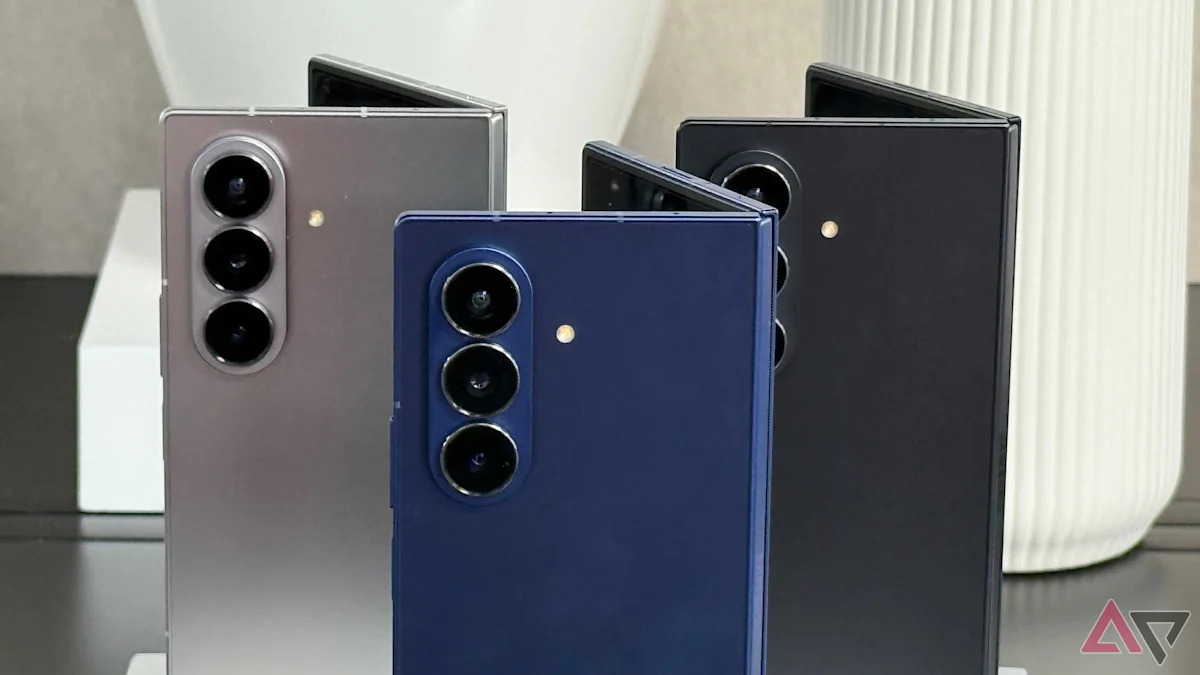
The accused products reportedly include Samsung smartphones, foldables, smartwatches, tablets, laptops, televisions and monitors. Devices named in reports include the Galaxy S25, Galaxy Z Flip7, Galaxy Watch8, Galaxy Tab A9+, Galaxy Book4 and several Samsung smart TVs and monitor models.
At this stage, the case is only a legal claim. The allegations have not been proven in court, and Samsung will have the opportunity to respond through the legal process.
What Tau Ceti Ventures Claims
Tau Ceti Ventures claims that Samsung infringed patents related to LED and display technologies. The patents reportedly cover technologies connected to brighter displays, reduced power use, screen burn-in prevention, improved manufacturing efficiency and lower production costs.
The company alleges that Samsung used these technologies across multiple display-equipped products without authorization.
Tau Ceti also claims that Samsung either knew about the patents or should have known about them. That argument is important because the plaintiff is seeking to frame the alleged infringement as willful.
In patent cases, a finding of willful infringement can potentially increase damages. However, that is a legal issue for the court to decide, not something established by the filing alone.
Samsung Products Named in the Case
The lawsuit reportedly targets a broad range of Samsung products rather than one specific device.
The named product categories include smartphones, foldable phones, smartwatches, tablets, laptops, televisions and monitors. That wide scope suggests Tau Ceti is focusing on Samsung’s display technology across its consumer electronics ecosystem.
Products mentioned in reports include the Galaxy S25, Galaxy Z Flip7, Galaxy Watch8, Galaxy Tab A9+ and Galaxy Book4. Samsung smart TVs and monitors are also reportedly part of the complaint.
This matters because Samsung is not only a smartphone company. It is one of the world’s largest display and electronics manufacturers, with products across mobile, computing, wearables and home entertainment.
A patent claim covering display technology can therefore touch many parts of Samsung’s business.
Why Display Patents Matter
Display technology is one of the most important areas in modern consumer electronics. Screens are central to phones, tablets, watches, laptops, TVs and monitors.
Companies invest heavily in display brightness, energy efficiency, colour accuracy, durability, refresh rates and manufacturing methods. Even small improvements can become valuable when used across millions of devices.
For smartphones and watches, display efficiency can affect battery life. For TVs and monitors, brightness and longevity can influence product quality. For foldables, display engineering is even more important because the screen must handle bending, touch input and long-term use.
That is why patents in display technology can become valuable legal assets. If a patent owner believes a major manufacturer is using protected technology, it may pursue licensing fees, damages or settlement.
What Is a Non-Practicing Entity?
Tau Ceti Ventures has been described in reports as a non-practicing entity. A non-practicing entity is a company that owns patents but does not necessarily manufacture products based on those patents.
Critics often call such companies patent trolls when they focus mainly on suing or licensing patents rather than building products or services. Supporters argue that patent owners have a right to enforce intellectual property, even if they are not manufacturers.
The debate is complicated. Some non-practicing entities help inventors monetize their work. Others are criticized for using lawsuits as pressure tactics against large companies.
In this Samsung patent lawsuit, Tau Ceti is seeking a court judgment, damages and legal costs. Samsung is expected to defend itself against the claims.
Why Samsung Is a Common Patent Target
Samsung is a frequent target in patent litigation because of its size, product range and technology footprint.
The company sells smartphones, TVs, monitors, tablets, wearables, appliances, laptops and semiconductor products in global markets. A large product portfolio increases the chance of legal disputes involving wireless technology, display components, chips, software, user interface features and manufacturing methods.
Large technology companies often face many patent lawsuits at once. Some cases are dismissed, some are settled, and some proceed to trials or damages awards.
For Samsung, patent litigation is part of operating at the top of the global electronics industry. The company also owns a large patent portfolio of its own and frequently participates in patent licensing battles.
Similar Lawsuits Against LG and HP
Tau Ceti has also reportedly filed similar lawsuits against LG and HP. Those cases are said to involve LED-related display technologies used in monitors, laptops, televisions and related products.
This suggests that Tau Ceti is pursuing a broader enforcement campaign against major electronics manufacturers, not only Samsung.
When a patent owner files similar cases against multiple companies, it may be trying to establish licensing leverage across an industry. The outcome of one case can influence settlement talks or litigation strategy in others.
For Samsung, this means the case may not be isolated. It appears to be part of a wider dispute over display-related intellectual property.
What Tau Ceti Wants From the Court
Tau Ceti is asking the court to find that Samsung infringed its patents. It is also seeking financial damages, enhanced damages for alleged willful infringement and payment of legal fees.
The request for enhanced damages is important because it signals that Tau Ceti wants more than ordinary compensation. It wants the court to treat Samsung’s alleged conduct as deliberate or reckless.
However, asking for enhanced damages does not mean the court will grant them. The plaintiff must prove its claims, and Samsung can challenge the patents, the infringement claims and the damages theory.
Patent litigation can take months or years, especially when large technology companies are involved.
The Case Is Still at an Early Stage
The Samsung patent lawsuit is still in its early stage. A complaint is the beginning of a case, not the final outcome.
Samsung may deny infringement, challenge the validity of the patents or argue that its products use different technologies. It may also seek dismissal, transfer, settlement or a full trial depending on its legal strategy.
Patent cases often involve detailed technical analysis. Experts may be required to compare patent claims with accused products. The court may also need to interpret the meaning of specific patent terms before deciding whether infringement occurred.
Because of that, consumers should not assume that Samsung has done anything wrong simply because a lawsuit has been filed.
Could Galaxy Users Be Affected?
For ordinary Samsung users, the lawsuit is unlikely to have any immediate impact.
People using Galaxy phones, Galaxy Watches, Galaxy tablets, Samsung laptops, smart TVs or monitors can continue using their devices normally. Patent lawsuits typically focus on damages, licensing or business agreements rather than immediate product shutdowns.
In rare cases, patent disputes can lead to import restrictions or product changes, but that usually requires a long legal process and specific rulings.
For now, this is mainly a corporate legal dispute between a patent owner and a major electronics manufacturer.
Why the Eastern District of Texas Matters
The case was filed in the Eastern District of Texas, a court district known for handling many patent lawsuits.
Patent plaintiffs have often chosen this district because of its experience with intellectual property cases and procedural history. Major technology companies have faced many patent suits there over the years.
The venue does not determine the outcome, but it can influence the pace and strategy of litigation. Defendants sometimes try to move cases to other districts, especially if they believe another venue is more appropriate.
Whether Samsung challenges venue or proceeds in Texas will become clearer as the case develops.
A Bigger Debate About Patent Litigation
This case also fits into a larger debate about patent enforcement in the technology industry.
Patents are meant to protect innovation by giving inventors exclusive rights for a limited time. But in fast-moving industries, products can involve thousands of patented technologies. That creates room for frequent disputes.
Some patent lawsuits involve genuine conflicts between companies that developed competing technologies. Others involve patent owners that acquire portfolios and sue manufacturers for licensing income.
The challenge for courts is to separate valid enforcement from abusive litigation. Companies should not be allowed to copy protected inventions without permission. At the same time, patent claims should not be used unfairly to pressure companies into settlements when the claims are weak.
The Samsung case will now enter that legal system.
Samsung’s Display Business Makes the Case Significant
Samsung’s display expertise makes the lawsuit especially notable. The company is a major force in OLED, AMOLED, QLED, MicroLED and other display categories.
Samsung Display supplies screens for many devices, while Samsung Electronics sells finished products using advanced display technologies. Because screens are central to Samsung’s brand identity, any legal dispute involving display technology attracts attention.
The company has built its premium phones, TVs and monitors around bright panels, high refresh rates, colour quality and strong contrast. If a lawsuit targets technology behind those features, it becomes more than a narrow legal matter. It touches a core part of Samsung’s competitive advantage.
Still, the legal question remains specific: whether Samsung’s accused products actually infringe Tau Ceti’s patent claims.
What Happens Next
The next steps will likely include Samsung’s formal response, early motions, scheduling orders and technical filings. The parties may also discuss settlement at some point, as many patent cases do.
If the case continues, the court may hold claim construction proceedings to define key patent terms. After that, the dispute could move into discovery, expert reports, summary judgment motions and possibly trial.
The process can be slow and expensive. That is one reason many patent cases settle before reaching a final court decision.
For now, the most important point is that Tau Ceti has filed the lawsuit, Samsung has been accused, and the matter must still be tested in court.
Final Thoughts
The latest Samsung patent lawsuit adds another legal challenge to the company’s long list of intellectual property disputes. Tau Ceti Ventures claims Samsung infringed ten display-related patents across smartphones, foldables, smartwatches, tablets, laptops, TVs and monitors.
The allegations involve technologies said to improve display brightness, reduce burn-in, extend battery life and lower manufacturing costs. Devices reportedly named include the Galaxy S25, Galaxy Z Flip7, Galaxy Watch8, Galaxy Tab A9+ and Galaxy Book4, along with Samsung TVs and monitors.
The case is important because display technology sits at the heart of Samsung’s consumer electronics business. However, the lawsuit remains only an allegation at this stage. Samsung has the right to contest the claims, challenge the patents and defend its products.
For consumers, there is no immediate reason to worry. The case is mainly a business and legal dispute over patents, licensing and potential damages.
The bigger story is the continuing rise of patent litigation around advanced display technology. As screens become brighter, thinner, more efficient and more complex, legal fights over who owns the underlying innovations are likely to remain a major part of the electronics industry.
Source (in Korean)