Before streaming platforms, TikTok trends, and instant digital distribution transformed African music, success in Kenya’s entertainment industry depended heavily on record labels. Artists needed producers, studio access, distribution channels, radio relationships, and physical marketing networks to survive.
During that era, few labels shaped Kenya’s urban music scene as aggressively as Grandpa Records.
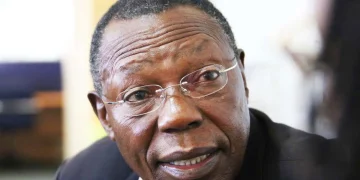
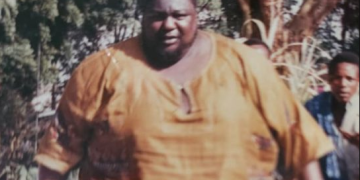
The label became synonymous with street anthems, Gengetone precursors, dancehall-inspired hits, and youthful urban music culture during the late 2000s and early 2010s. Behind the movement stood Noah Yusuf, popularly known as Refigah.
Armed with little more than ambition, studio equipment, and an entrepreneurial mindset, Refigah built Grandpa Records from modest beginnings into one of Kenya’s most recognizable music stables.
But alongside the success came bitter disputes, accusations from former artists, and questions about how Kenyan musicians were compensated during the peak record-label era.
Today, Refigah’s story remains one of the most important—and controversial—chapters in Kenya’s modern music industry.
Refigah’s Early Life and Hustler Mentality
Long before founding Grandpa Records, Noah Yusuf was already immersed in survival entrepreneurship.
Learning Business Before Music
In previous interviews, Refigah explained that he developed business instincts early in life.
At one stage, he reportedly sold charcoal to earn income before entering the entertainment world.
Like many Kenyan youths navigating limited economic opportunities, survival required creativity, adaptability, and constant hustling.
Those experiences later influenced how he approached the music business—not simply as art, but as an entrepreneurial venture.
Entering Kenya’s Music Scene
Refigah initially joined the industry as a rapper.
At the time, Kenya’s urban music scene was still developing commercially. Artists struggled with limited radio support, piracy, weak distribution systems, and minimal industry structures.
Building a music career required persistence and innovation.
The Claim of Becoming the First African Artist on YouTube
One of the most unusual claims associated with Refigah is that he became the first African musician to upload content to YouTube in 2005.
Entering Digital Media Early
Whether fully verifiable historically or not, the claim highlights how early Refigah recognized the power of digital distribution.
At that time, YouTube itself was still new globally.
Most African artists had not yet embraced online video platforms because internet penetration remained limited and traditional television still dominated music exposure.
Refigah’s early experimentation with digital visibility reflected a mindset that would later define Grandpa Records’ marketing strategies.
Why Record Labels Dominated Kenyan Music
To understand the significance of Grandpa Records, it is important to understand how the Kenyan music industry operated before streaming.
The Pre-Streaming Era
Before platforms like Spotify, Apple Music, Boomplay, and TikTok monetization systems, artists depended heavily on record labels for:
- Studio production
- Video recording
- CD duplication
- Radio promotion
- Publicity
- Artist management
- Event booking
Without label support, most musicians struggled to reach national audiences.
The Importance of Urban Music Labels
Urban music labels became cultural powerhouses because they controlled access to production quality and visibility.
In Kenya, labels like Grandpa Records helped shape the sound and identity of an entire generation of urban youth culture.
Founding Grandpa Records With Ksh20,000
In 2009, Refigah made the decision that would define his legacy.
He abandoned his singing ambitions and shifted fully into music production and artist development.
Starting Small
According to past interviews, Refigah reportedly used approximately Ksh20,000 to launch Grandpa Records.
The modest startup investment covered:
- Headphones
- Mixers
- Studio monitors
- Basic production equipment
Compared to the sophisticated studios available today, the setup was extremely humble.
Yet from that small foundation emerged one of Kenya’s most influential music brands.
Why the Name “Grandpa” Was Chosen
Refigah later explained that the name Grandpa reflected his perception of generational influence within Kenya’s music industry.
According to his explanation:
- Earlier artists inspired Juacali and E-Sir
- That generation inspired DNA and Madtraxx
- Younger artists later emerged from those influences
In his view, this made him a symbolic “grandfather” within Kenya’s urban music evolution.
The branding worked because it created a sense of legacy and authority within the entertainment scene.
Building Hits That Defined an Era
Grandpa Records quickly became associated with catchy, street-oriented music that resonated with urban youth audiences.
Songs That Dominated Kenyan Airwaves
The label produced major hits including:
- “Maswali Ya Polisi”
- “Fimbo Chapa”
- Multiple club and matatu anthems
These tracks became deeply embedded within Kenya’s urban pop culture during the late 2000s and early 2010s.
Artists Who Rose Through Grandpa Records
The label helped launch or elevate the careers of artists such as:
- DNA
- Kenrazy
- Visita
- Dufla Diligon
- Pizo Dizo
The label became a factory for commercially successful urban music.
How Refigah Outsmarted Mainstream Media
One of Refigah’s biggest innovations involved music promotion.
Using Matatus as Marketing Platforms
According to Refigah, mainstream media initially resisted playing Grandpa Records music.
Rather than waiting for radio approval, he turned to matatus.
Why Matatus Were Powerful Media Channels
Public transport vehicles in Nairobi and other urban centers heavily shaped youth culture through:
- Loud music systems
- Music videos
- Graffiti culture
- DJ branding
- Street influence
By targeting matatus, Grandpa Records bypassed traditional gatekeepers and connected directly with ordinary listeners.
This strategy proved extremely effective.
Songs became popular on the streets before radio stations could ignore them.
Transforming Urban Music Culture
Grandpa Records helped redefine Kenya’s urban sound during a critical transition period.
Street Music Became Mainstream
Before labels like Grandpa Records, much of Kenya’s mainstream music industry remained heavily influenced by polished pop and traditional broadcasting structures.
Grandpa embraced:
- Sheng culture
- Street slang
- Dancehall rhythms
- Urban storytelling
- Youth identity
This made the music feel authentic to younger audiences.
The Rise of Viral Street Hits Before Social Media
Interestingly, Grandpa Records achieved “viral” popularity before modern social media algorithms dominated music discovery.
Songs spread through:
- Matatus
- Clubs
- CDs
- Bluetooth sharing
- Street DJs
- Mobile phones
The label mastered grassroots music distribution long before TikTok trends existed.
The Business Challenges of Running a Record Label
Despite the glamour associated with music success, Refigah repeatedly argued that managing artists was financially difficult.
The Cost of Artist Development
Record labels often spend heavily on:
- Studio production
- Music videos
- Marketing
- Styling
- Accommodation
- Artist welfare
- Promotion tours
In emerging industries like Kenya’s music sector, recovering those investments can be difficult.
Refigah described managing artists as almost becoming a parental figure responsible for multiple aspects of their lives.
The Controversies That Changed Grandpa Records’ Reputation
As the label grew, so did tensions between management and artists.
Allegations of Exploitation
Several former artists accused Grandpa Records of:
- Underpayment
- Unfair contracts
- Financial exploitation
- Career sabotage
One of the most public critics was Visita, who accused Refigah of underpaying him and damaging his life.
Artists Leaving the Label
Over time, many musicians exited Grandpa Records seeking independent careers.
The departures fueled public speculation about internal disputes and artist dissatisfaction.
Refigah’s Defense Against the Accusations
Refigah consistently denied accusations of exploitation.
Blaming Industry Realities
He argued that running a record label in Kenya was extremely challenging financially.
According to him, many artists failed to understand the investment required behind their success.
Claims About Artist Discipline
In interviews, Refigah also claimed some artists left because of indiscipline rather than mistreatment.
He stated previously that he only personally expelled three artists:
- Visita
- Kidi
- Mr. Nice
He further suggested that some artists who left the label struggled afterward, implying that the label had played a bigger role in their careers than they acknowledged.
The Difficult Reality of Kenyan Music Contracts
The Grandpa Records controversy reflects broader structural issues within African music industries.
Weak Industry Structures
For years, Kenyan artists operated within industries lacking:
- Strong royalty systems
- Transparent contracts
- Legal protections
- Professional artist management structures
As a result, disputes between artists and producers became extremely common.
Labels Took Most Financial Risks
At the same time, labels often carried heavy financial burdens developing unknown talent.
Without streaming income systems, profitability depended heavily on performances, sponsorships, and physical distribution.
This created tension between investment recovery and artist compensation.
Refigah’s Exit From Music Production
After approximately 15 years in music production, Refigah reportedly stepped away from active studio work in 2022.
End of an Era
His departure marked the end of one of Kenya’s most influential urban music eras.
By then, the industry had changed dramatically.
Streaming platforms, social media, TikTok promotion, and direct artist monetization had reduced the dominance of traditional record labels.
Independent artists could now build careers without relying entirely on music stables.
The Lasting Legacy of Grandpa Records
Despite the controversies, Grandpa Records remains one of Kenya’s most influential urban music labels historically.
Launching Careers and Shaping Sound
The label helped introduce artists who later became major names within East African entertainment.
Its sound, marketing style, and street-level promotion strategies influenced countless producers and musicians afterward.
Pioneering Digital Thinking
Refigah’s early embrace of YouTube and unconventional marketing demonstrated unusual foresight during a period when much of Africa’s music industry still relied heavily on traditional media.
Lessons From Refigah’s Story
Several important themes emerge from his journey.
Entrepreneurship Can Begin Small
Grandpa Records reportedly started with only basic studio equipment and around Ksh20,000.
The story highlights how modest beginnings can eventually create nationally recognized brands.
Innovation Beats Gatekeeping
When mainstream radio resisted Grandpa Records music, Refigah used matatus and grassroots promotion instead.
That willingness to innovate helped the label break through.
Creative Industries Need Better Structures
The disputes surrounding Grandpa Records also reveal the need for stronger music industry governance, clearer contracts, and fairer compensation systems for artists and producers alike.
FAQ
Who is Refigah?
Refigah, whose real name is Noah Yusuf, is a Kenyan music producer and founder of Grandpa Records.
When was Grandpa Records founded?
Grandpa Records was founded in 2009 after Refigah left his singing career.
Which artists became famous through Grandpa Records?
Artists associated with the label include DNA, Kenrazy, Visita, Dufla Diligon, and Pizo Dizo.
How much did Refigah use to start Grandpa Records?
He reportedly started the label using approximately Ksh20,000 alongside basic studio equipment.
Why was Grandpa Records controversial?
Some former artists accused the label of underpayment and exploitation, allegations Refigah denied.
Why did Refigah stop music production?
After around 15 years in music production, he reportedly stepped away from active studio work in 2022.
Conclusion
Refigah’s journey from hustling through small businesses to founding Grandpa Records represents one of the most influential entrepreneurial stories in Kenya’s entertainment industry.
With limited resources but strong ambition, he built a label that shaped urban music culture, launched major artists, and changed how music reached ordinary Kenyans.
His use of grassroots marketing, early digital experimentation, and street-focused branding helped redefine Kenya’s music scene during a transformative era.
Yet the controversies surrounding artist compensation and management also exposed deeper structural weaknesses within the African music industry.
Today, Grandpa Records remains both a symbol of innovation and a reminder of the complicated relationship between talent, business, creativity, and power in the entertainment world.
Read Also: COMAC C919 Debuts in Middle East at Dubai Airshow