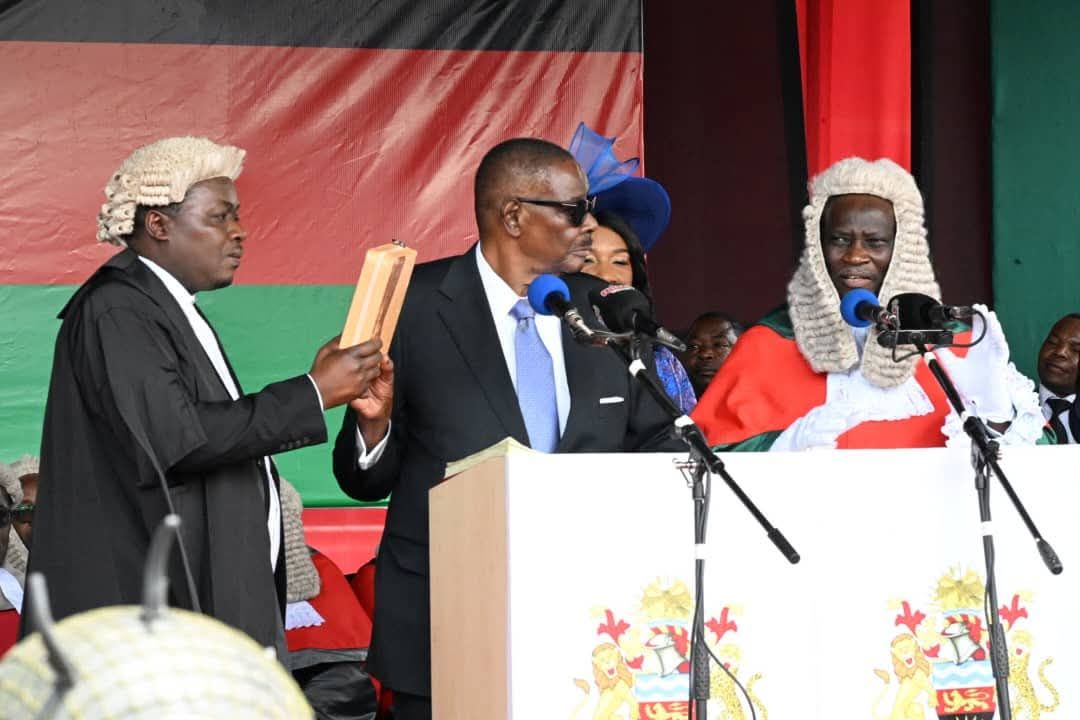
The Peter Mutharika inauguration at Kamuzu Stadium has formally returned the 85-year-old law professor to State House, capping a decisive electoral comeback and opening a consequential new chapter for Malawi. The ceremony drew thousands in Blantyre and set the tone for a reform-first agenda—anti-corruption, economic stabilization, and institutional discipline. Yet one absence spoke volumes: outgoing President Reverend Lazarus Chakwera did not attend, despite reports he had considered it. That decision added a complex emotional layer to a day meant to symbolize unity after a bruising campaign.
Why the Peter Mutharika inauguration matters now
Malawi enters this term with inflation pressure, fuel and food shortages, and public debt strains. Against this backdrop, the Peter Mutharika inauguration signals a reset in tone and priorities. Mutharika, sworn in as Malawi’s seventh president, has pledged to restore integrity in public service and tackle leakages that sap the budget. Early messaging emphasizes swift corrective action, tighter expenditure controls, and a clear demand for delivery from ministries. For citizens and investors alike, the immediate question is one of credibility: can the new administration convert tough talk into measurable gains—stable fuel supplies, lower prices, more jobs, and reliable power?
The optics: why Chakwera’s absence overshadows the moment
In young democracies, the presence of an outgoing leader at a swearing-in is a powerful stagecraft of reconciliation. It honors the electorate and models peaceful transfer of power after hard-fought campaigns. The Peter Mutharika inauguration missed that optic. While Chakwera’s party sent goodwill, the non-attendance inevitably drew focus. For many Malawians, it revived a longstanding regional reality: politics can be deeply personal, and ritual gestures are still evolving. The moment was ripe for a hand-to-hand symbol of continuity; instead, it became a reminder of how much democratic culture depends on shared ceremony as much as on law.
A historical pattern Malawi keeps repeating
Malawi’s political tradition since the 1994 return to multiparty rule shows a consistent pattern when power changes across party lines:
- 1994: Hastings Kamuzu Banda boycotted Bakili Muluzi’s inauguration.
- 2014: Joyce Banda did not attend Peter Mutharika’s swearing-in.
- 2020: Peter Mutharika shunned Lazarus Chakwera’s inauguration after the court-ordered fresh election.
- 2025: The Peter Mutharika inauguration proceeded without Chakwera in attendance.
This lineage matters. Each missed handshake is a missed opportunity to normalize bipartisan civility. As other African cases show—from noisy podium lectures to tense parade grounds—leaders often personalize transitions, forgetting that authority is always temporary. Democracies mature when rivals show up, smile, and sit through the parts they least enjoy—because citizens need to see it.
The ticket and the team: continuity, controversy, and expectations
Alongside the Peter Mutharika inauguration, Jane Ansah took the oath as Vice President, a selection loaded with historical resonance for Malawians who remember the 2019 “Tippex” election saga and subsequent court annulment. Supporters frame her elevation as a statement of legal expertise and toughness; critics see it as provocative. Either way, the vice presidency will be central to selling the government’s credibility. Expect this partnership to be judged quickly on rule-of-law signals: transparent procurement, empowered watchdogs, and zero tolerance for abuses in policing, revenue collection, and parastatals.
The policy homework due immediately
To move from ceremony to substance, the government must tackle four urgent fronts:
- Stabilize essentials: Clear fuel backlogs, normalize forex access, and steady staple prices to rebuild public trust.
- Re-anchor the budget: Freeze non-essential spending, prioritize social safety nets, and publish a credible arrears-clearance plan.
- Fix power and productivity: Accelerate generation and transmission projects, cut technical losses, and unlock industrial and agro-processing capacity.
- Prosecute graft without fear or favor: Fast-track high-profile cases, protect whistleblowers, and publish asset declarations for senior officials.
Deliveries here are the scoreboard. If fuel lines shorten, inflation eases, and the lights stay on, public sentiment can pivot quickly—especially if civil servants feel a culture shift toward performance and if small businesses can plan with confidence.
Regional and international positioning
The Peter Mutharika inauguration also carries foreign-policy signals. Expect a pitch for investment over aid, framed around mining value chains, agriculture modernization, and tourism. Re-engagement with partners—across the U.S., U.K., EU, SADC, and multilateral lenders—will hinge on governance markers. The most bankable narrative Malawi can present is a reform coalition: Treasury discipline, central-bank independence, clean tenders, and fast approvals for credible investors. If Lilongwe shows measurable anti-corruption wins, concessional financing and portfolio flows are more likely to follow.
Nation-building: beyond the podium
Transitions are ultimately civic, not just political. The work of healing will fall to churches, chiefs, unions, student bodies, business councils, and artists who translate national goals into local momentum. The Peter Mutharika inauguration gives the state a fresh mandate; social actors can turn it into a movement—encouraging tax compliance, condemning bribes, mentoring youth entrepreneurs, and insisting on peaceful dialogue across party lines. When citizens believe that rules apply equally, they invest more—in farms, shops, classrooms, and neighborhoods.
What to watch in the first 100 days
- Fuel and forex: Are queues shrinking and reserves rising?
- Price trajectory: Do month-on-month inflation prints begin to soften?
- Procurement transparency: Are major contracts openly tendered and published?
- Energy outages: Are planned outages reduced through better load management and quick generation fixes?
- Justice pipeline: Do corruption cases move from headlines to convictions?
If the answers impress, the narrative shifts from ceremony to competence, and the Peter Mutharika inauguration will be remembered not just for who didn’t attend—but for what Malawi got done afterward.