Online Fraud Kenya is becoming harder to spot because scammers are no longer relying only on suspicious links, strange emails or fake websites. Increasingly, fraudsters are hiding inside familiar online marketplaces where Kenyans already shop for clothes, shoes, phones, laptops, household goods and gifts.
This new fraud pattern is more dangerous because it begins in a place that looks trustworthy. A buyer may visit a legitimate e-commerce platform, find a real-looking product listing, read positive reviews, chat with a responsive seller and believe everything is safe. The risk often appears later, when the seller asks the buyer to complete payment through a personal mobile money number instead of the platform’s official checkout.
That small change can be costly. According to TransUnion’s latest fraud findings, Kenyan consumers who reported losing money to digital fraud recorded a median loss of KES 108,132. For many households, that amount can represent rent, school fees, business stock, a laptop, a smartphone or months of savings.
The same report shows that Kenya’s suspected digital fraud rate was 2.3%, below the global average of 3.8%. But the lower fraud rate does not mean the threat is small. It means successful scams can be highly targeted, convincing and financially painful.
For consumers, the lesson is clear: online shopping should not be rushed. Before sending money, verify the seller, confirm the payment name, use official checkout channels and stop immediately if anyone asks for your PIN, OTP or password.
How the New Marketplace Scam Works
The new marketplace scam begins like an ordinary online purchase. A customer searches for a product and finds a seller offering a fair price. The listing may have clear photos, positive comments and quick responses. The seller may sound polite, professional and helpful.
Then the script changes. The seller claims the platform’s checkout is slow, temporarily unavailable or too expensive. They may ask the buyer to send money directly to a personal mobile number. They may also create urgency by saying the product is almost sold out, another buyer is waiting or the discount will expire soon.
This is the danger point.
Once the buyer pays outside the official checkout, protection becomes weaker. The platform may have limited ability to help because the transaction was completed away from its system. The scammer may switch off the phone, delete the account, block the buyer or disappear with the money.
That is why shoppers should always complete payment through the verified platform’s official checkout where available. A seller who pushes you away from official payment channels should be treated with caution.
Why Trusted Platforms Are Being Abused
Trusted platforms attract fraudsters because they already have customer confidence. Scammers do not need to build trust from zero if they can hide inside a marketplace people already use.
A buyer may think, “I bought from this platform before, so this seller must be safe.” But a legitimate platform can still have fraudulent third-party sellers. The platform may be real, while the seller is fake. The product may look real, while the payment request is unsafe.
Fraudsters also understand Kenyan buying habits. Many people prefer quick mobile money transactions. Many buyers are used to negotiating directly with sellers. Many shoppers want fast delivery. These habits create opportunities for criminals to pressure victims into quick decisions.
The safest response is to slow down. A genuine seller should not force you to bypass official payment processes or share private financial information.
Wanjiku’s Story: The Payment That Almost Went Wrong
Wanjiku had saved for three months to buy a laptop for her daughter, who was joining university. She found a good listing on a popular online marketplace. The photos looked genuine, the price was reasonable and the seller replied quickly.
Everything looked normal until the seller asked her to pay through a personal mobile money number. The explanation sounded simple: the platform checkout was experiencing delays.
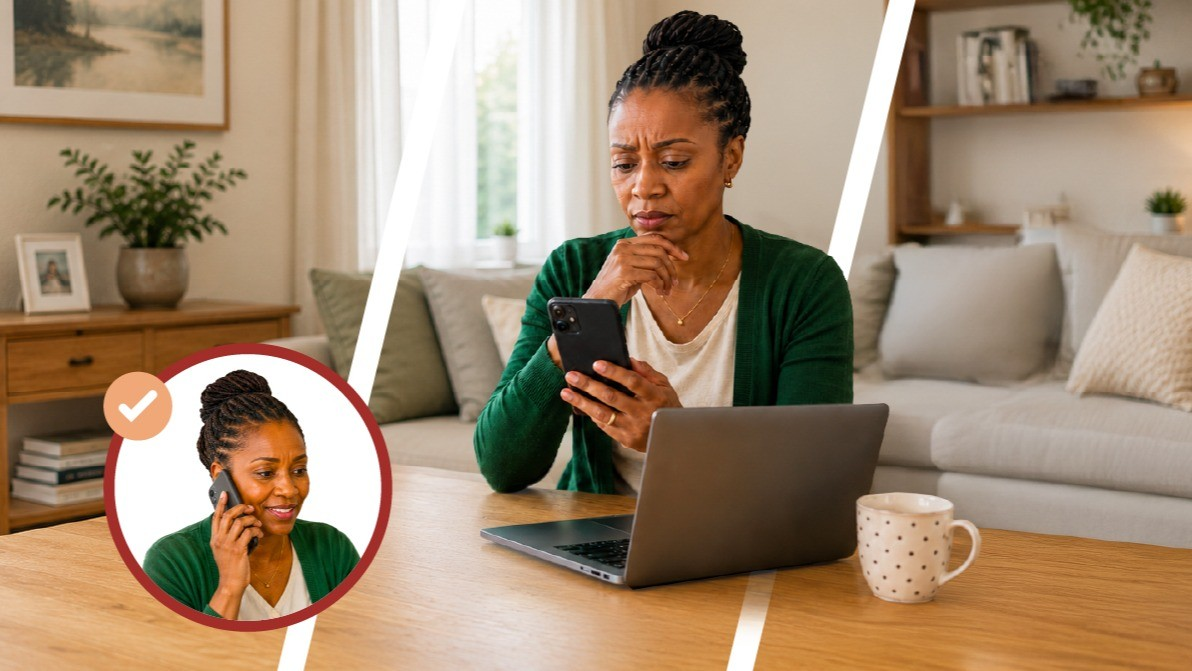
Wanjiku almost paid. But she paused. She remembered a safety message from her bank reminding customers to confirm who they are sending money to before completing a transaction.
She checked the payment request again and felt something was wrong. Instead of rushing, she called Equity Bank’s customer care line on 0763 000 000. The representative helped her identify the warning signs and advised her not to proceed.
Wanjiku later bought the laptop safely from a verified seller through a protected checkout. Her savings remained safe because she stopped before sending the money.
Common Red Flags in Online Shopping Scams
The Seller Asks for Direct Payment
A seller who asks you to avoid the official checkout and send money to a personal number is a major warning sign. Even if the seller sounds convincing, stop and verify. Official checkout systems exist to protect both buyers and sellers.
The Seller Creates Urgency
Scammers often use pressure. They may say “only one left,” “pay now,” “another buyer is waiting” or “offer ends tonight.” Urgency is designed to stop you from thinking clearly. Treat pressure as a warning, not a reason to hurry.
The Payment Name Does Not Match
Before completing a payment, check the name displayed on your banking or mobile money app. If the name does not match the business or verified seller, pause. This simple step can help you avoid sending money to the wrong person.
The Seller Account Looks Too New
A brand-new account with unusually perfect reviews deserves a second look. Some scammers create fake accounts, post copied product photos and use fake reviews to appear trustworthy.
The Seller Requests Private Information
No legitimate seller should ask for your PIN, OTP, password or banking credentials. These details are private. If anyone asks for them, stop communicating and verify through official channels.
Phishing, Smishing and Vishing Are Still Major Threats
Marketplace scams are not the only risk. Fraudsters also target Kenyans through phishing, smishing and vishing.
Phishing uses fake emails, websites or messages to trick victims into sharing personal information. Smishing uses SMS messages. Vishing uses phone calls. In all three cases, the scammer tries to create fear, excitement or urgency.
A fraudster may claim that your bank account has been blocked, your delivery is pending, your loan has been approved, your SIM card will be disabled or your money is at risk. The goal is to make you act quickly before you verify.
The safest response is to pause. Do not click suspicious links. Do not share credentials. Do not call back unknown numbers claiming to represent your bank. Use the official customer care number instead.
Equity Bank’s Safety Advice for Customers
Equity Bank advises customers to complete payments through verified platforms and official checkout systems. Customers should avoid paying through personal mobile numbers unless they have independently verified the seller.
Before sending money, confirm that the name displayed on your Equity Mobile App matches the business or person you intend to pay. If the name does not match, stop and verify.
Equity Bank also reminds customers that it will never ask for PINs, OTPs or passwords through calls, SMS, email or messages. Any person asking for these details should be treated as suspicious.
Customers who are unsure should call Equity Bank directly on 0763 000 000 before proceeding. It is better to verify before sending money than to try to recover funds after a scam.
How to Protect Your Money Before Paying Online
First, use the platform’s official checkout whenever possible. Do not allow a seller to move the transaction to a private number unless you have verified the seller independently.
Second, check the payment name before confirming. If the recipient name looks unrelated to the business or seller, do not proceed.
Third, review the seller profile carefully. Check how long the account has existed, whether reviews look natural and whether the seller has a consistent transaction history.
Fourth, avoid deals that feel too urgent. A genuine seller should give you time to confirm the product, payment channel and delivery terms.
Fifth, protect your private information. Your PIN, OTP, password and account details should never be shared with anyone.
What to Do If You Suspect Fraud
If something feels wrong, stop immediately. Do not send money. Do not click more links. Do not share more information.
If you are an Equity Bank customer, call 0763 000 000 to verify suspicious communication. Use only official contact channels. Do not rely on a phone number sent by the suspected scammer.
If you already sent money, act quickly. Contact your bank or mobile money provider and report the transaction. Save screenshots, phone numbers, messages, seller profiles and transaction confirmations. Report the seller to the marketplace as well.
If you shared your PIN, OTP or password, contact your bank immediately and follow their instructions to secure your account.
Why This Matters for Kenya’s Digital Economy
Kenya’s digital economy depends on trust. Millions of people use mobile money, online marketplaces, banking apps and social commerce every day. These platforms make life easier, support businesses and expand access to financial services.
But trust can be damaged when scammers exploit the same systems. If customers lose money through fake sellers and impersonation scams, they may become afraid of online shopping and digital banking.
That is why fraud prevention must involve everyone. Banks must educate customers. Marketplaces must verify sellers and remove suspicious accounts quickly. Consumers must slow down and verify before paying. Regulators and technology companies must continue improving reporting and identity protection systems.
Digital convenience is valuable, but safety must come first.
Conclusion: Protect Your Money Before You Send It
Online Fraud Kenya has changed. The scammer may not look like a suspicious stranger anymore. They may appear as a friendly seller inside a trusted marketplace, offering a product you genuinely need at a price that feels fair.
The best protection is to pause before paying. Use official checkout systems. Confirm the payment name. Ignore pressure tactics. Check seller history. Never share your PIN, OTP or password. If anything feels uncertain, contact your bank through official channels.
For Equity Bank customers, the official customer care number is 0763 000 000. One call before payment can protect months of savings.
Online shopping can still be safe, but only when buyers combine convenience with caution.
FAQs About Online Fraud Kenya
What is the new face of online fraud in Kenya?
The new face of online fraud in Kenya involves scammers hiding inside trusted online marketplaces instead of only using fake websites or suspicious links. A buyer may find a real-looking listing, talk to a responsive seller and believe the deal is safe. The scam often begins when the seller asks for payment outside the official checkout system. This makes the fraud harder to detect because the platform may be legitimate even when the seller is not.
Why are scammers targeting online marketplaces?
Scammers target online marketplaces because buyers already trust them. Fraudsters know that people are more likely to relax when shopping on a familiar platform. They create fake seller profiles, copy product photos, use convincing language and pressure buyers into direct payments. Once money is sent outside the official checkout system, recovery becomes harder. This is why buyers should verify sellers and avoid private payment requests.
How much money are Kenyans losing to digital fraud?
TransUnion’s latest fraud findings show that Kenyan consumers who reported losing money to digital fraud recorded a median loss of KES 108,132. This is a significant amount for many households and may represent school fees, rent, business stock, a laptop or months of savings. The figure shows that even when fraud rates appear lower than global averages, successful scams can cause serious financial damage.
What is a third-party seller scam?
A third-party seller scam happens when a seller operating on a legitimate marketplace deceives a buyer. The marketplace itself may be real, but the seller may be fraudulent. The scammer may list products they do not intend to deliver or trick buyers into paying outside the platform. A major warning sign is when the seller asks for payment through a personal mobile money number instead of the platform’s official checkout.
Should I pay an online seller through a personal number?
You should avoid paying through a personal number unless you have independently verified the seller through official channels. If the platform has a secure checkout system, use it. A seller who asks you to bypass official checkout may be trying to remove buyer protection. Before sending money, confirm that the displayed payment name matches the seller or business you expected. If it does not, stop and verify.
What are the biggest red flags before paying online?
The biggest red flags include pressure to pay quickly, requests to avoid official checkout, payment names that do not match the seller, brand-new seller accounts with overly positive reviews and requests for PINs, OTPs or passwords. You should also be cautious if the deal looks too good to be true. If a seller creates urgency or refuses normal verification, treat that as a warning sign.
What should I do if a seller says the checkout system is down?
Do not rush to pay through a private number. A claim that the checkout system is down can be a trick to move you away from buyer protection. Wait, contact the platform’s official support team or choose another verified seller. If the seller is genuine, they should not pressure you into unsafe payment methods. It is better to miss a deal than lose your money.
Will Equity Bank ask for my PIN or OTP?
No. Equity Bank says it will never ask customers for their PIN, OTP or password through calls, SMS, email or messages. These details are private and should never be shared. If anyone asks for them, stop communication immediately and call Equity Bank directly on 0763 000 000. Do not use a phone number sent by the suspicious caller or message.
What should I do if I already sent money to a scammer?
Contact your bank or mobile money provider immediately and report the transaction. Save screenshots, phone numbers, messages, seller details and transaction confirmations. Report the seller to the marketplace so the account can be investigated. Do not send additional money if the scammer asks for reversal fees, delivery clearance fees or verification payments. Acting quickly improves your chances of limiting further loss.
How can I protect my family from online fraud?
Teach family members to pause before paying, avoid suspicious links, use official checkout systems and never share PINs, OTPs or passwords. Encourage them to verify payment names and ask for help when a deal feels rushed or confusing. Young people and older relatives may be especially vulnerable to pressure tactics. A simple family rule can help: if money is involved and something feels wrong, stop and verify first.
Read Also: Microsoft Layoffs Reportedly Target Thousands of Roles