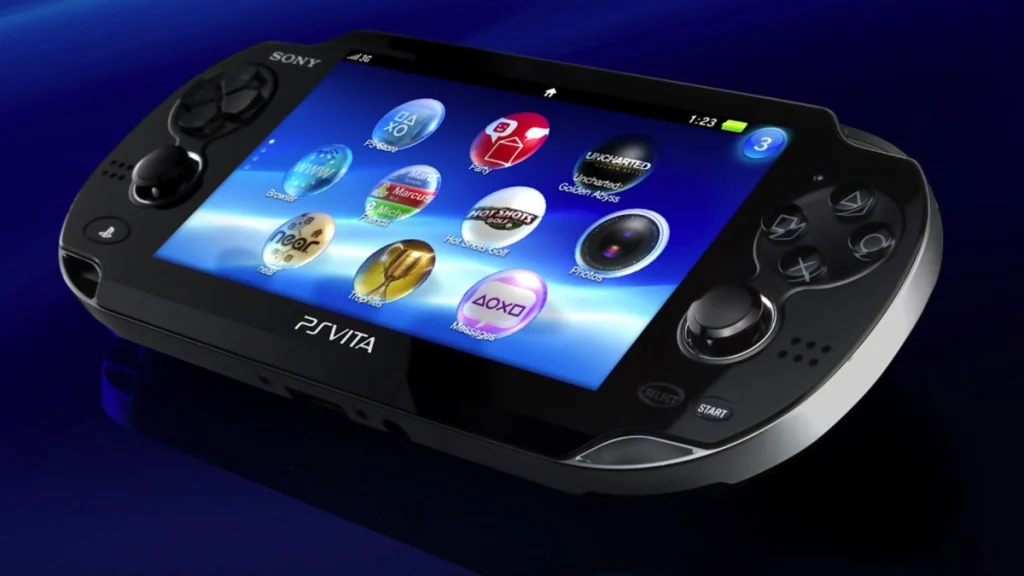
PlayStation Discs are set to disappear from new game releases after January 2028, marking one of the biggest shifts in Sony’s console business since the original PlayStation helped make disc-based gaming mainstream in the 1990s.
Sony will stop producing physical disc versions for new PlayStation games released from January 2028 onward. Future titles will instead be sold digitally through the PlayStation Store or as digital codes through selected retailers. The change applies to new games released after the cutoff date and does not remove disc versions of games already released before then.
The decision reflects the reality of modern gaming. More players now buy games digitally, preload major releases, subscribe to gaming services, and manage libraries through online accounts. For Sony, digital distribution offers clearer control over sales, pricing, delivery, updates and licensing.
But for many players, the end of PlayStation Discs raises bigger questions about ownership, preservation, resale, lending and long-term access. Physical games have always offered something digital purchases cannot fully replace: the ability to hold, trade, lend, collect and preserve a copy outside a digital storefront.
What Sony’s 2028 Disc Policy Means
From January 2028, newly released PlayStation games will no longer receive physical disc production. Instead, players will buy new titles as downloads or digital codes.
This does not mean existing PlayStation discs will suddenly stop working. Games already released on disc before the cutoff should remain playable on compatible consoles. Retailers may also continue selling existing stock of older physical games while supplies last.
The change mainly affects future releases. If a game launches after Sony’s deadline, players should expect it to be digital-only on PlayStation platforms.
That distinction matters. Sony is not removing all physical PlayStation games from history. It is ending the physical disc model for new releases going forward.
Why Sony Is Moving Away from Physical Games
Sony’s decision follows a wider entertainment trend. Music, movies, software and PC games have already moved heavily toward digital distribution. Console gaming is now following the same path.
Digital sales are more profitable and easier to manage. They remove manufacturing costs, shipping costs, retail margins and used-game resale from the equation. Sony and publishers also gain more control over pricing, discounts, licensing and distribution.
For players, digital games offer convenience. They can be bought instantly, downloaded remotely, preloaded before launch and accessed without changing discs. For many users, especially those with fast internet and large storage drives, this is now the default way to buy games.
The challenge is that convenience comes at a cost. Digital purchases depend on online accounts, platform policies, licensing agreements and store availability. If a game is delisted, a store closes or account access is lost, the player’s long-term control can become uncertain.
Why Physical PlayStation Games Still Matter
Physical PlayStation games matter because they give players more freedom after purchase. A disc can be lent to a friend, sold second-hand, collected, displayed or preserved. A digital purchase usually cannot.
The used-game market has also helped many players afford gaming. Someone could buy a disc, play it, sell it later and recover part of the cost. Others could buy used copies at lower prices. Physical retail also created competition because shops could discount games independently.
Without discs, players become more dependent on the PlayStation Store and authorised digital retailers. That could make pricing more predictable for publishers, but it may reduce flexibility for consumers.
Physical media also matters for game preservation. A disc is not perfect, especially when modern games require patches or large downloads, but it still provides a tangible record of a release. Digital-only games can become harder to preserve if they are removed from sale.
The Ownership Debate Will Grow Louder
Sony’s move will intensify the debate over whether players truly own digital games.
When a player buys a disc, they own a physical copy. When they buy digitally, they usually receive a licence tied to an account and platform. That licence may be long-lasting, but it is still controlled by terms of service, storefront access and publisher agreements.
This concern is not theoretical. Digital stores on older platforms eventually close. Licensing disputes can remove games, films or music from digital libraries. Publishers may shut down online servers. Players can lose access to accounts.
Sony says previously purchased content on older platforms will remain downloadable for the foreseeable future, but that phrase does not provide the same certainty as owning a disc that can be stored on a shelf.
For collectors, preservationists and long-time console players, this is the biggest concern around the end of PlayStation Discs.
What It Means for Retailers
Retailers will not disappear from PlayStation game sales entirely, but their role will change. Instead of selling physical discs for new releases, shops may sell download codes, gift cards, collector’s editions without discs, accessories, consoles and merchandise.
This could be difficult for physical game retailers. Disc sales have historically brought customers into stores, especially around major launches. A digital-only future reduces that foot traffic.
Some collector’s editions may still exist, but they may include a code instead of a disc. That means buyers could receive a box, art book, statue or steelbook-style case without a playable physical copy inside.
Retailers that adapt may continue to benefit from console hardware and accessory sales. But the traditional shelf of new PlayStation disc releases will gradually become a thing of the past.
What It Means for Players with Slow Internet
A digital-only future creates challenges for players with slow, expensive or unreliable internet connections. Modern games can be extremely large, sometimes requiring downloads of 100GB or more.
For players in areas with weak broadband, physical discs offered at least partial relief. Even when a game required updates, the disc could reduce the download burden. Once new releases become digital-only, downloading the full game will be unavoidable.
This may also increase demand for larger console storage. Players who buy many digital games may need expansion drives or must constantly delete and reinstall titles.
For Sony, this creates an opportunity to sell more storage accessories. For players, it adds another cost to the digital future.
How This Could Shape the Next PlayStation Console
Sony has not officially detailed how this move affects future PlayStation hardware, but the direction is clear. If new games stop shipping on discs from 2028, future PlayStation consoles may place even less emphasis on disc drives.
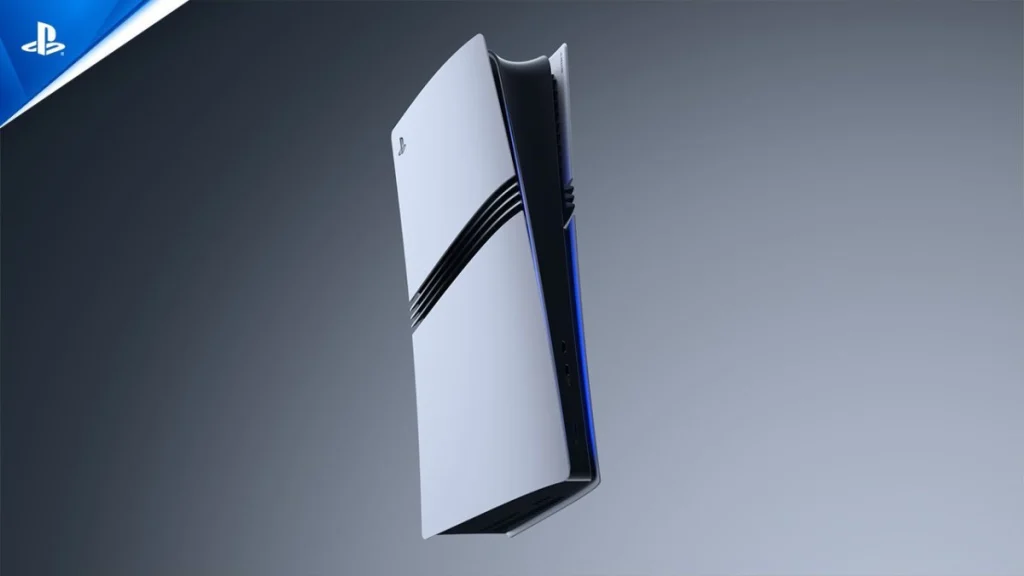
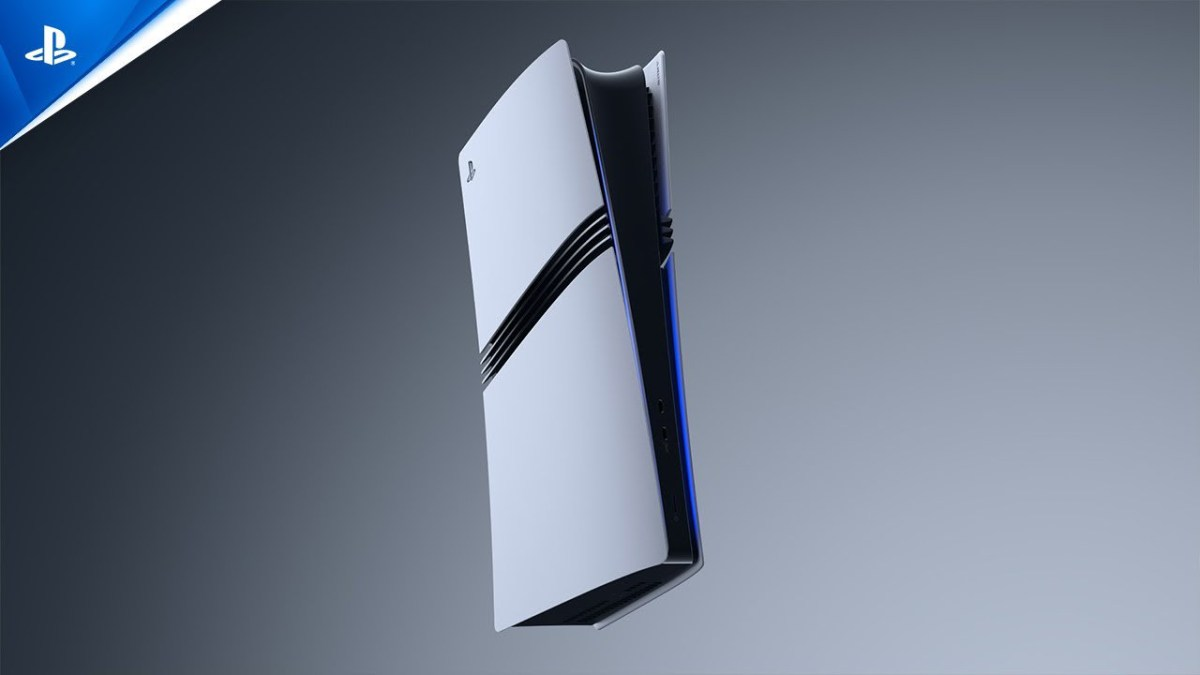
The PlayStation 5 already exists in digital and disc-drive models. Sony also sells a detachable disc drive for some PS5 versions. A future PlayStation console could make the drive optional, limited or absent entirely.
That would reduce manufacturing complexity and align hardware with digital sales trends. But it would also disappoint players who still value backward compatibility, used games and physical collections.
The 2028 deadline may therefore be seen as a bridge between the current generation and a more digital-first PlayStation future.
Why the Timing Matters
The January 2028 date gives players, retailers and publishers time to adjust. It also avoids immediately disrupting games already planned for physical release.
The timing also follows the wider industry momentum toward digital-only releases. Major publishers are increasingly comfortable selling games through digital storefronts, subscriptions and codes. Some physical boxes already include download codes instead of discs, making the box more of a collectible than a true physical copy.
By setting a future date, Sony is giving the market a clear signal: the disc era is ending, and the company expects players to complete the transition.
The Bigger Industry Shift
Sony may be one of the most visible companies to formalise the end of new physical game discs, but the direction is not unique. PC gaming moved away from discs years ago. Xbox has leaned heavily into Game Pass and digital libraries. Nintendo has also expanded digital sales, though physical cartridges remain important to its ecosystem.
The broader industry wants digital distribution because it increases control. Publishers can manage pricing, reduce resale, push live-service models, and maintain direct customer relationships.
For consumers, the trade-off is mixed. Digital gaming is convenient, fast and increasingly normal. But it also reduces the independence players once had after buying a game.
The future may be more efficient, but it may also be less consumer-controlled.
Conclusion: PlayStation Discs Enter Their Final Chapter
PlayStation Discs helped define console gaming for nearly three decades. They made games easy to buy, share, collect and preserve. But from January 2028, Sony will stop producing physical discs for new PlayStation releases, pushing the platform fully into the digital era.
For Sony and publishers, the decision makes commercial sense. Digital sales are now dominant, cheaper to distribute and easier to control. For many players, downloads are already the preferred way to buy games.
But the move also raises serious concerns. Players will lose resale options, collectors will lose true physical editions, and game preservation will become more dependent on digital storefronts. A digital-only future may be convenient, but it gives platform owners more power over access and ownership.
The end of PlayStation Discs does not mean old physical games vanish. But it does mean the next era of PlayStation gaming will be defined by downloads, accounts, storage space and digital licences rather than discs on a shelf.
FAQs
When will Sony stop producing PlayStation discs?
Sony will stop producing physical discs for new PlayStation games from January 2028. The change applies to new games released after that date. Games already released on disc before the cutoff are not expected to be affected, and existing physical copies should continue working on compatible consoles.
Will existing PlayStation discs still work after 2028?
Yes, existing PlayStation discs should continue to work on compatible consoles after 2028. Sony’s policy affects new game releases after January 2028, not physical copies that already exist. Players with disc-based PS4 or PS5 games should still be able to use them, provided their console supports those discs.
Does this mean all PlayStation games will be digital-only?
For new PlayStation games released after January 2028, yes. Those titles are expected to be sold digitally through the PlayStation Store or as digital codes through selected retailers. Older games that already have disc editions may still be available physically while stock remains.
Why is Sony ending physical PlayStation game discs?
Sony is ending physical disc production because more players now buy games digitally. Digital distribution reduces manufacturing and retail costs while giving Sony and publishers more control over pricing, sales and delivery. The company is following a wider entertainment trend in which software, music, movies and games increasingly move online.
Can I still buy PlayStation games from retailers after 2028?
Yes, but new games may be sold as digital codes instead of discs. Retailers may continue selling PlayStation gift cards, download codes, consoles, accessories and collector’s editions. They may also continue selling older physical disc stock while available. However, new releases after the cutoff are not expected to include playable discs.
What happens to used PlayStation games?
Used PlayStation games released before 2028 can still exist in the second-hand market. However, new games released after January 2028 will not have disc versions, meaning there will be no used-disc market for those titles. This could reduce resale options and make players more dependent on digital store pricing.
Is digital ownership the same as owning a disc?
No. A physical disc is a tangible copy that can be held, sold, lent or collected. A digital game is usually a licence tied to an account and platform. Digital purchases can be convenient, but they depend on storefront access, account security and platform policies. This is why some players prefer physical media.
Will this affect game preservation?
Yes, it may make preservation harder for future PlayStation games. Physical discs are not perfect, especially when games require patches, but they provide a physical record of a release. Digital-only games depend more heavily on online stores, servers and licensing agreements. If a game is delisted, future access may become more complicated.
Will the PS6 have a disc drive?
Sony has not officially announced the PS6 or confirmed its hardware design. However, ending new physical disc production in 2028 suggests that future PlayStation hardware may be more digital-focused. A future console could have an optional disc drive, limited disc support or no disc drive at all, but that remains unconfirmed.
Should I keep buying physical PlayStation games?
If you value collecting, resale, lending or long-term access, physical PlayStation games released before 2028 may become more important to you. Digital games are convenient, but physical copies still offer benefits that digital licences cannot fully replace. The right choice depends on how you play, collect and manage your library.