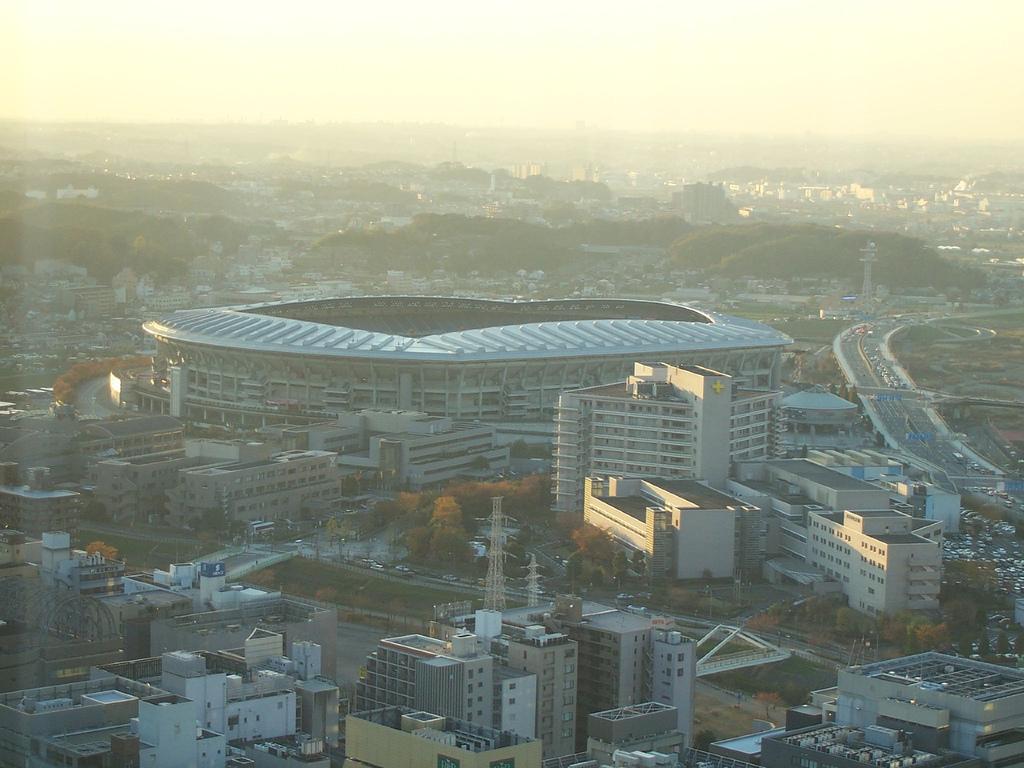
Nissan Stadium is one of Japan’s most iconic sporting venues, located in Yokohama and known worldwide for hosting historic football finals and major international tournaments. Opening in 1998, Nissan Stadium became the country’s largest stadium for more than two decades. It is home to Yokohama F. Marinos and remains a key site for global football, athletics, and large-scale concerts that attract hundreds of thousands of fans. Because of its size, history, and modern facilities, Nissan Stadium continues to play a central role in Japan’s sporting identity.
Stadium Details
| Feature | Information |
|---|---|
| Name | Nissan Stadium (Yokohama International Stadium) |
| Capacity | 72,327 |
| Country | Japan |
| City | Yokohama |
| Home Club | Yokohama F. Marinos |
| Floodlights | 2000 lux |
| Inauguration | 1 March 1997 |
| Construction | 1994 – October 1997 |
| Cost | $500 million |
| Address | 3302-5 Kozukue, Kohoku-ku, Yokohama |
| Parking | 3,500 spaces |
From Construction to Global Recognition
Construction of Nissan Stadium began in 1994 as a new centerpiece for Kanagawa Prefecture. The project aimed to create a large-capacity venue that could support international tournaments and major domestic events. By the time it opened in 1997, the stadium featured advanced facilities, strong concrete structures, and a seating bowl designed for both football and athletics.
The stadium quickly gained fame when Japan co-hosted the 2002 FIFA World Cup. Its modern infrastructure and large capacity made it ideal for the tournament’s most important matches. As the venue for the 2002 World Cup Final between Germany and Brazil, Nissan Stadium became one of the most recognized stadiums in world football.
Home of International Football and Olympic Events
Nissan Stadium has hosted numerous international fixtures. During the 2002 FIFA World Cup, it staged three group-stage matches and the final. Later, it became one of the football venues for the Tokyo 2020 Olympics, hosting several key matches. The wide pitch, excellent visibility, and reliable transport access continue to make it a top choice for global competitions.
The stadium also hosted the 2019 Rugby World Cup. When delays prevented the National Stadium in Tokyo from being completed on schedule, Nissan Stadium was selected as the host for the Rugby World Cup Final. This decision highlighted the venue’s reliability and its ability to handle massive global events.
Naming Rights and Sponsorship History
While known internationally as Yokohama International Stadium, the arena is currently branded as Nissan Stadium due to naming rights agreements. Nissan Motors has repeatedly extended its sponsorship in deals negotiated with the Yokohama city authorities. The current contract runs until February 2026 and is valued at 600 million yen, showing the long-term partnership between the automaker and the stadium’s management.
FIFA Club World Cup Legacy
Nissan Stadium holds a unique place in the history of the FIFA Club World Cup. It has hosted the competition many times, beginning in the era of the Intercontinental Cup. Matches featuring major clubs such as Real Madrid, AC Milan, São Paulo, and Barcelona have taken place on its pitch.
Several finals were held here between 2005 and 2016, giving the stadium a reputation as a global center for club football. These events brought global audiences to Yokohama, making Nissan Stadium one of the most internationally recognized stadiums in Asia.
A Premier Venue for Concerts and Live Shows
Nissan Stadium is also a leading concert venue. Its size and open layout make it suitable for large-scale live performances. Over the years, top Japanese and international acts have performed here, including B’z, Mr. Children, X Japan, AKB48, Southern All Stars, TVXQ, Nogizaka46, King Gnu, TWICE, and many more.
Attendance figures for music events often exceed 140,000 across two nights, with some artists drawing more than 200,000 fans during multi-day shows. The stadium is one of Japan’s most in-demand locations for anniversary tours, special performances, and major pop culture events.
Infrastructure, Design, and Spectator Experience
Nissan Stadium was designed as a multi-purpose arena. It includes a large athletics track surrounding the pitch, allowing it to host track-and-field events in addition to football and rugby. The stands provide clear sightlines from all angles, and the 2000-lux floodlighting system supports high-quality night broadcasts.
The venue also offers modern team facilities, media rooms, a press center, hospitality suites, and a rooftop promenade. Parking for more than 3,500 cars supports heavy matchday traffic, while nearby public transport hubs ensure convenient access for spectators.
A Symbol of Yokohama and Japanese Sporting Culture
For more than 25 years, Nissan Stadium has stood as a symbol of Yokohama’s growth and Japan’s sporting ambition. It has hosted global tournaments, unforgettable finals, world-class concerts, and Olympic competitions. With its blend of capacity, modern engineering, and long history, the stadium remains one of the most important sporting landmarks in Japan.