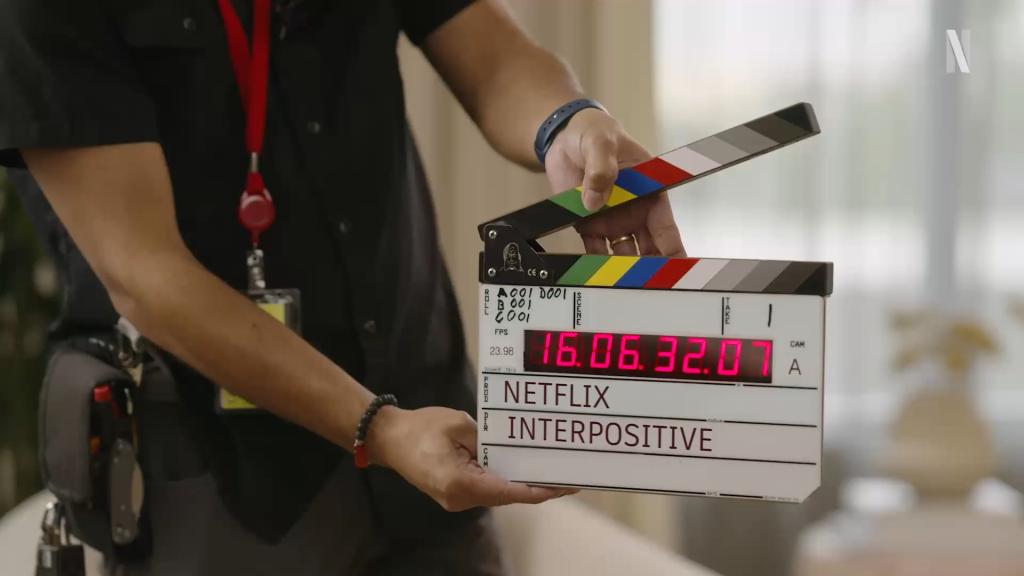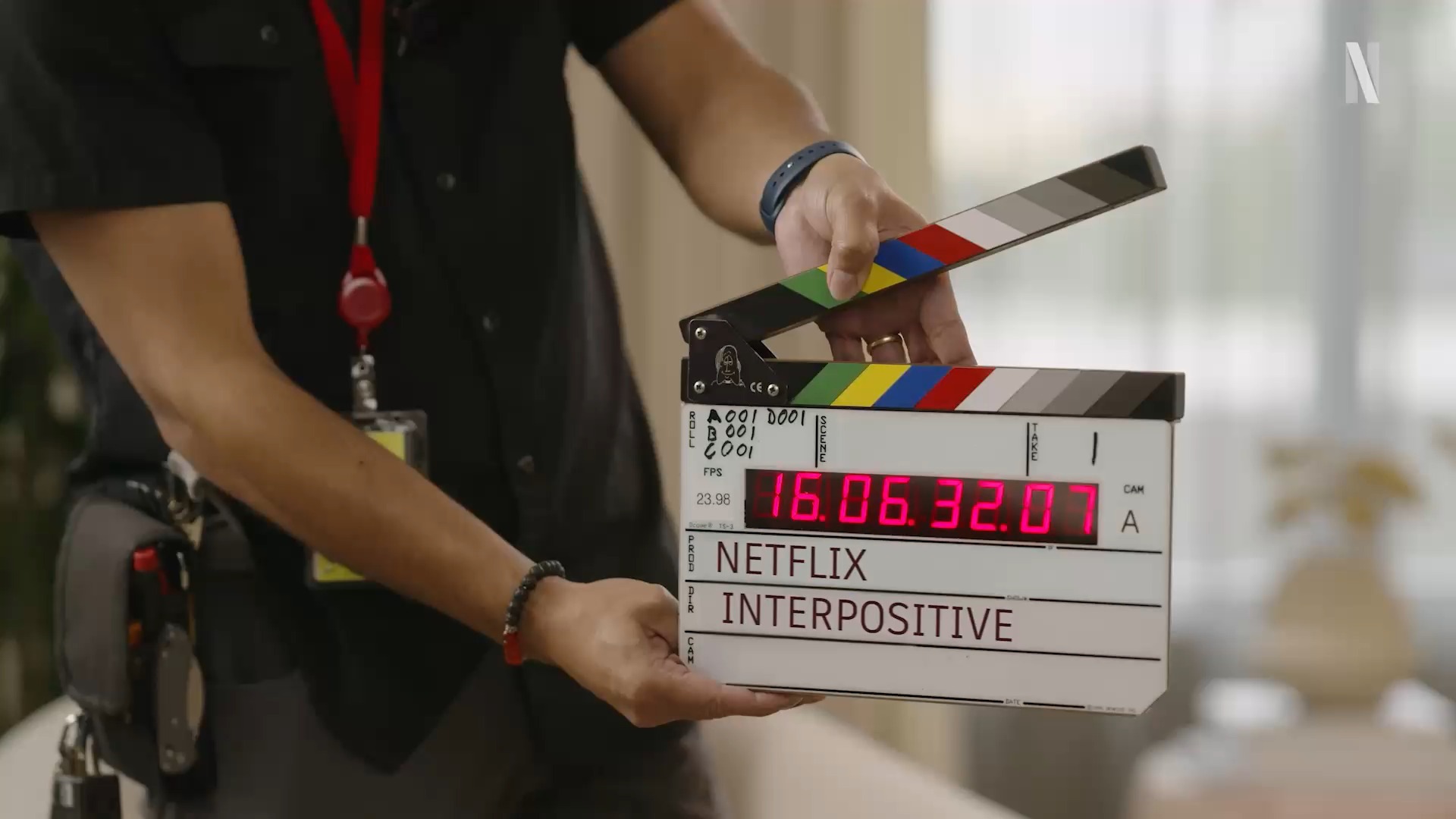
Netflix AI studio ambitions have taken a decisive step forward after the streaming giant acquired InterPositive, an AI filmmaking startup founded by Ben Affleck. The move strengthens Netflix’s push into production technology at a time when Hollywood remains divided over artificial intelligence.
InterPositive is not a typical generative AI platform. Instead of creating scenes from text prompts, the startup trains custom AI models using a film’s own raw dailies. That distinction matters. The system studies lighting, color grading and visual tone as production unfolds, then automates labor-intensive post-production tasks.
For Netflix, the appeal is straightforward. Post-production often consumes weeks of coordination between editors, visual effects vendors and color grading houses. If AI tools can reduce that timeline, production cycles tighten and budgets shrink. Across dozens of annual originals, the savings compound quickly.
Ben Affleck’s involvement adds strategic value. As an Academy Award–winning filmmaker, he brings credibility in an industry wary of automation. During recent labor disputes, writers and actors fought hard to limit AI’s reach. Therefore, positioning the Netflix AI studio acquisition as filmmaker-led rather than tech-driven softens resistance.
The technology promises directors tighter control over visual continuity during long shoots. Instead of revisiting scenes for minor inconsistencies or outsourcing repetitive corrections, production teams can rely on in-house AI refinement. Moreover, because the system uses only a project’s original footage, it sidesteps many intellectual property concerns tied to generative models trained on external data.
However, the acquisition also signals structural change in Hollywood’s production economy. Third-party visual effects firms and post-production houses have traditionally handled technical cleanup work. As Netflix integrates AI internally, some of that workflow may shift away from external vendors.
This does not eliminate human artistry. Large-scale creative visual effects still require teams of specialists. Yet routine technical tasks such as color balancing, background adjustments and minor continuity fixes could increasingly become automated.
Meanwhile, competitors are making parallel bets. Disney has deepened its partnership with OpenAI, while Sony continues investing in virtual production technology. The arms race reflects a broader transformation in entertainment economics.
From a global perspective, the Netflix AI studio move carries implications beyond Hollywood. African and emerging market production houses, which often operate with tight budgets, may view such tools as cost-saving enablers. However, smaller studios could also face pressure if global streamers internalize more production capacity.
Historically, film technology shifts have restructured the industry. The transition from analog to digital editing reduced reliance on physical film labs. Similarly, AI integration may redefine post-production hierarchies.
Why This Matters
The Netflix AI studio acquisition illustrates how artificial intelligence is moving from experimentation to core production infrastructure. The shift could alter cost structures, employment models and creative workflows across the film industry.
What Happens Next
Netflix will likely integrate InterPositive into upcoming original productions to test scalability. Industry reaction will determine whether filmmakers embrace the tool as creative support or resist it as encroachment. As AI capabilities expand, the balance between automation and artistry will remain central to Hollywood’s next chapter.