Nairobi in 1910: Colonial Transport, Labor Strikes, and the Grogan Scandal
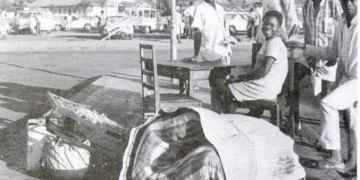
In 1910, Nairobi was a growing colonial settlement in British East Africa. As the town developed into a key administrative and commercial center, transportation was still primitive. Among the most visible forms of urban mobility were rickshaws, manually pulled carts used to ferry people over short distances.
These rickshaws were operated by young African boys, popularly referred to as rickshaw boys. Employed under harsh conditions and paid meager wages, these boys became a critical part of the town’s daily life. Their resilience was tested early on, and by 1908, just two years before the events of 1910, they staged a strike, demanding better pay and treatment.
The Grogan Incident: Colonial Brutality on Display
That same year, Colonel Ewart Grogan, a British settler and adventurer, triggered one of Nairobi’s darkest racial atrocities. After his visiting sister alleged that one of her rickshaw pullers had assaulted her, Grogan took brutal action. Instead of reporting the matter to the authorities, he and a group of fellow settlers abducted four of his rickshaw boys, dragged them to the steps of Nairobi’s Magistrate’s Court, and whipped them savagely in public.
The beating continued until the boys lost consciousness, and tragically, one of them died from the injuries.
Shocking as it was, the scene played out in full view of the town’s magistrate, who, terrified and powerless, stood by as Grogan and his armed associates issued threats. Even the Superintendent of Police, who initially attempted to intervene, was forced to flee when the mob turned against him.
Legal Outcome: An Injustice Deeply Etched in Nairobi’s History
Although Grogan was initially charged with murder, the colonial justice system quickly diluted the charge to common assault. He served only two months in prison, a punishment that underscored the racial inequalities of British colonial law in Kenya. The message was clear: white settlers, no matter how brutal, operated with near-total impunity.
Grogan’s Legacy: From Chiromo to Gertrude’s Hospital
Despite this violent history, Grogan’s name remains etched into Nairobi’s geography. In 1905, he built a house in what is now Chiromo, naming it after a village in Malawi where he had survived an attack during his trans-African trek. The land he developed would later become part of the University of Nairobi‘s grounds.
Later in life, Grogan attempted to soften his legacy. In 1947, grieving the death of his beloved wife Gertrude, who died of a heart attack, he donated part of his estate in Muthaiga to establish what would become Gertrude’s Children’s Hospital—today one of the most prominent pediatric facilities in East Africa.
A Dual Legacy: Colonizer, Philanthropist, and Symbol of Injustice
Nairobi in 1910 was a city of contrast—progress and brutality, development and deep racial injustice. The Grogan rickshaw incident remains a haunting chapter in the city’s history, highlighting the exploitation of African labor, the injustices of colonial rule, and the complicated legacies of those who shaped Nairobi’s early years.
Though Grogan is also remembered for his philanthropy, particularly in health care, his legacy remains deeply conflicted—an emblem of both colonial violence and charitable giving. His story forces Nairobi, and Kenya as a whole, to reflect on its past, reckon with uncomfortable truths, and ensure such histories are not forgotten.