NAIROBI, Kenya, June 19 — In 1969, thousands of Kenyans were forced to leave Uganda after President Apollo Milton Obote issued a directive requiring non-Ugandan unskilled and semi-skilled workers to be replaced by Ugandan citizens.
The order triggered one of the most dramatic labour exoduses in East Africa’s post-independence history.
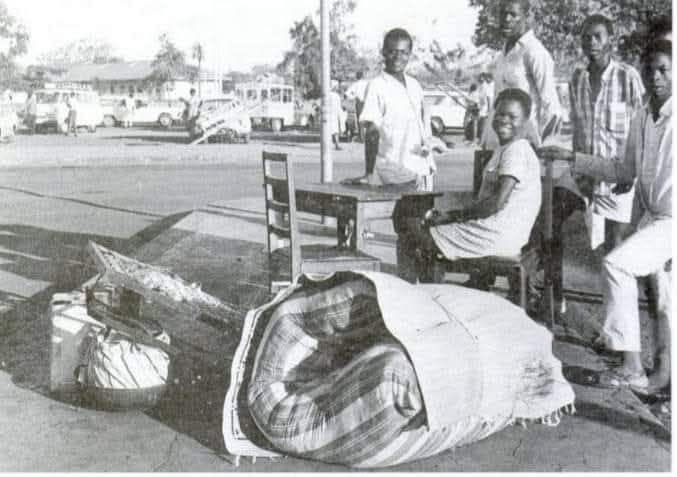
More than 20,000 Kenyans reportedly left Uganda hurriedly, many carrying boxes, children and personal belongings as they gathered at bus stops and border points.
Kenyans Had Dominated Uganda’s Labour Force
At the time, Kenyans made up a significant part of Uganda’s labour force.
Many worked in agriculture, transport, commerce and other semi-skilled sectors.
Some Ugandan employers were reluctant to dismiss them, arguing that Kenyan workers were reliable, hardworking and experienced.
However, they were forced to comply with the government directive.
Obote’s Socialist Policy Shift
The expulsions came as Obote announced sweeping measures to implement Uganda’s new socialist philosophy.
The policy shift included the government’s acquisition of 60% shares in leading companies.
It also brought tighter controls on money transfers, directly affecting non-Ugandans working in Uganda.
Cash Remittance Controls Hit Kenyan Families
One of the harshest measures was the restriction on cash remittances.
Non-Ugandans were required to seek permission before sending money to other parts of East Africa.
This badly affected Kenyan workers who regularly sent money home to support families in Kenya.
For many, the policy disrupted both livelihoods and family survival.
Families Forced to Leave Behind Investments
The expulsion created painful scenes across Uganda.
Many Kenyans had lived in the country for more than 20 years and had built homes, businesses and social ties.
Some were forced to abandon investments, property and years of hard work as they left under pressure.
At main bus stops and border crossings, families crowded with luggage, children and household items in scenes that resembled a refugee movement.
Uganda’s Economy Felt the Impact
The removal of thousands of Kenyan workers disrupted sections of Uganda’s economy.
Agriculture, transport and commerce were among the sectors affected.
The sudden labour gap exposed how deeply integrated Kenyan workers had become in Uganda’s post-independence economy.
A Forgotten East African Migration Story
The 1969 expulsion remains an important but often overlooked chapter in Kenya-Uganda relations.
It showed how political ideology, labour policy and nationalism could quickly reshape lives across borders.
For the Kenyans who left Uganda, it was not just a political event. It was a personal tragedy that uprooted families, ended livelihoods and changed the course of many lives.
Conclusion
The 1969 expulsion of Kenyans from Uganda under President Milton Obote marked a painful moment in East African history.
What began as a labour nationalisation policy became a mass displacement of workers, families and communities.
Decades later, the episode remains a reminder of the human cost of abrupt political decisions and the deep social ties that have long connected Kenya and Uganda.