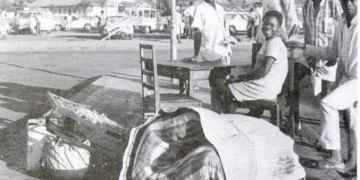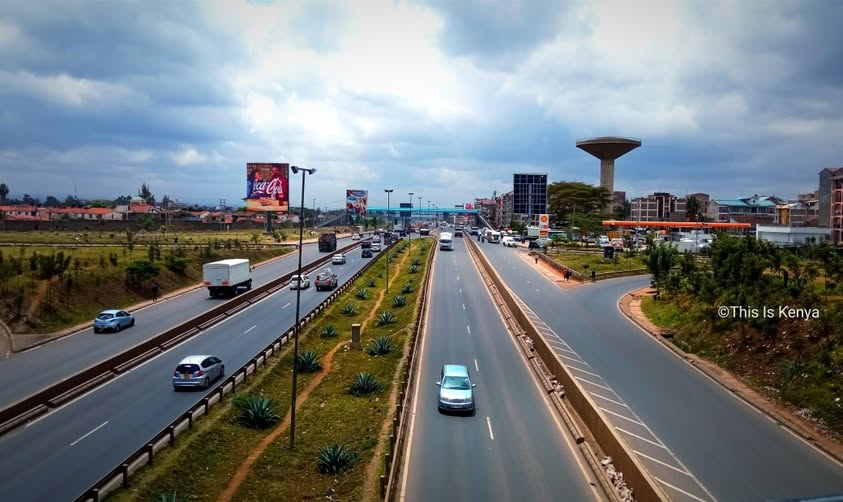
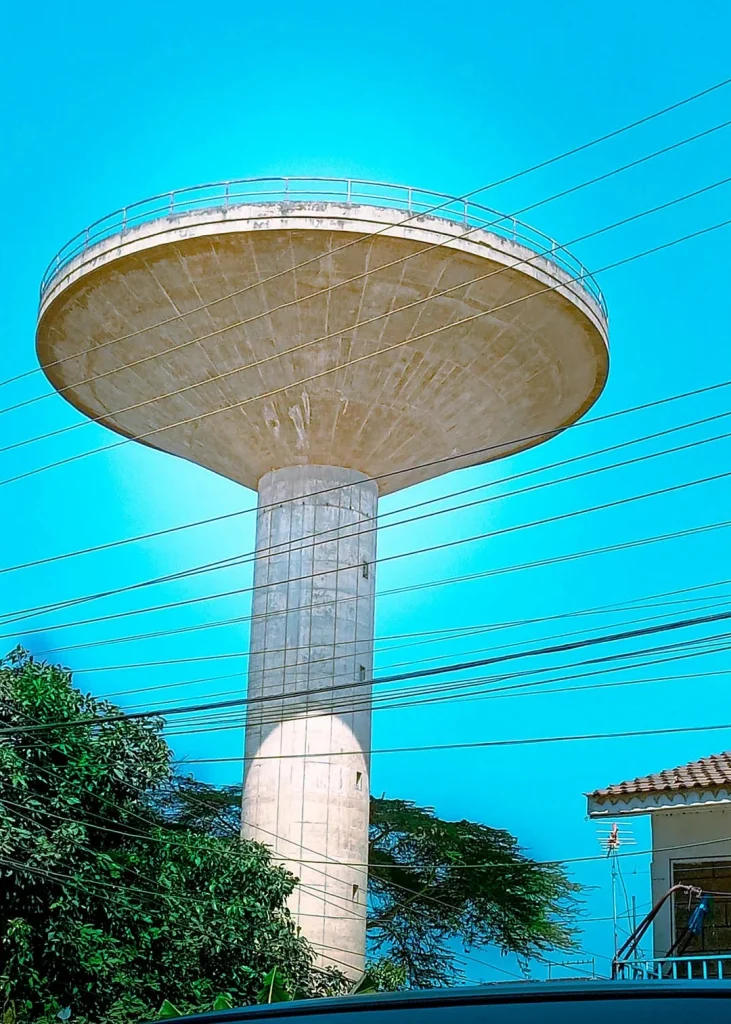
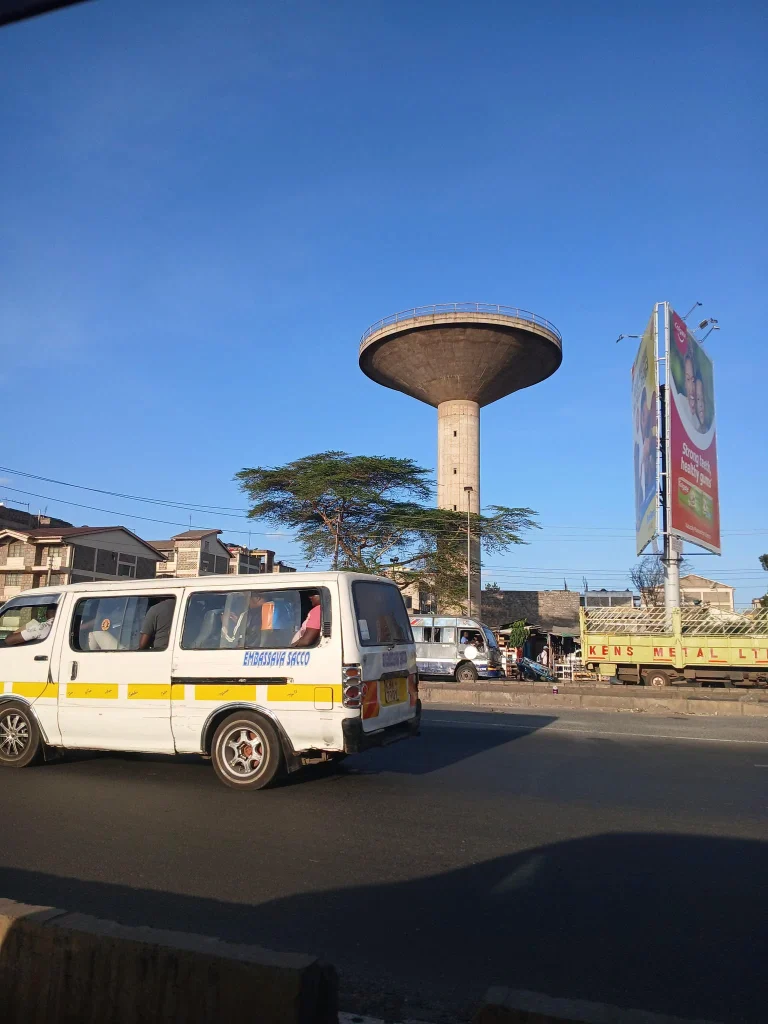
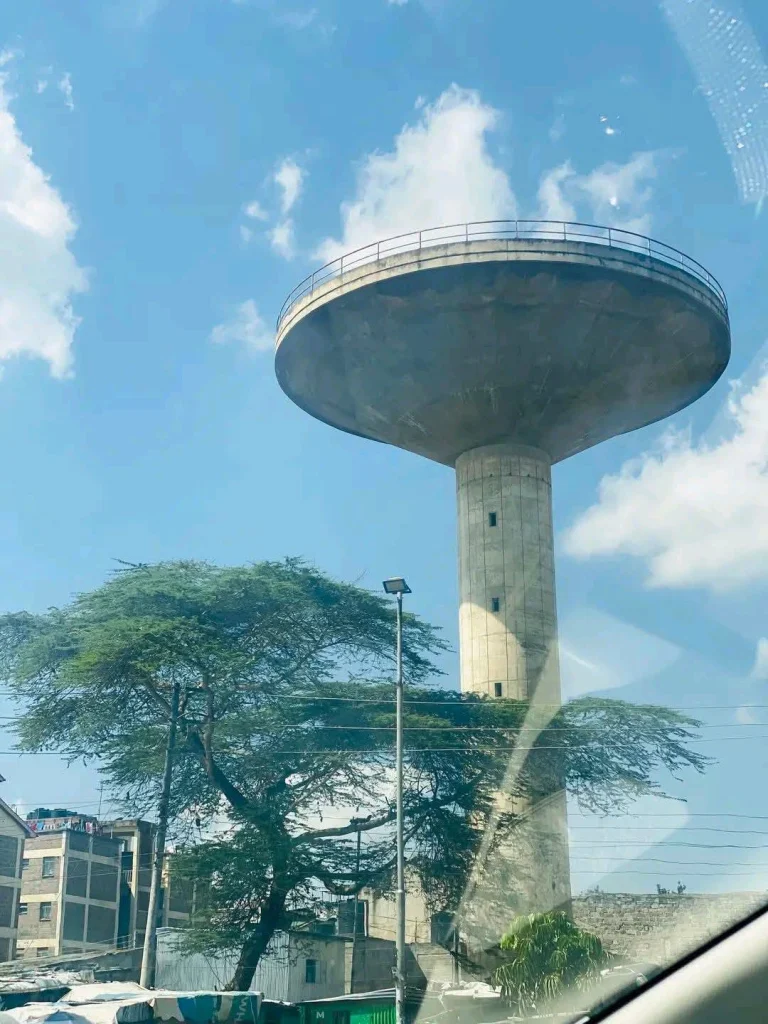
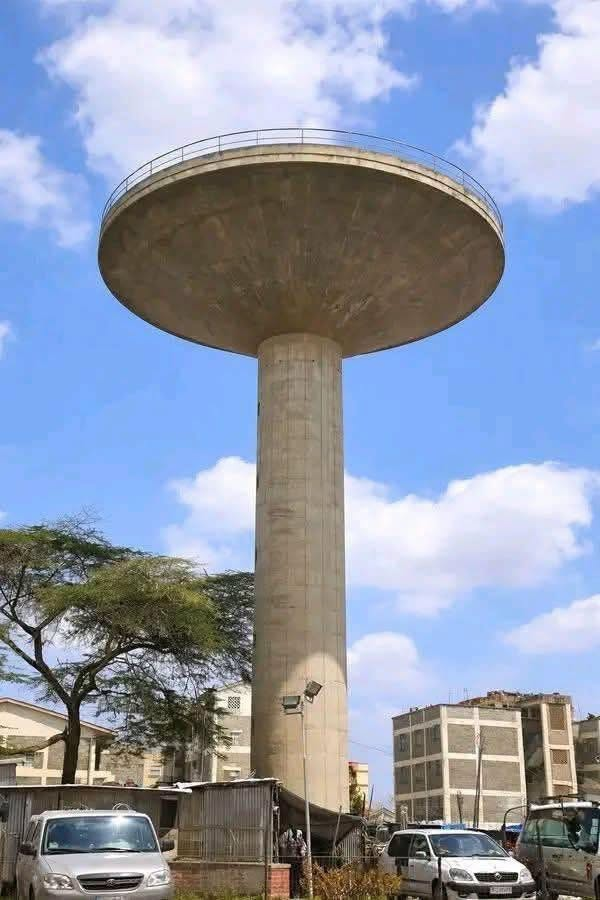
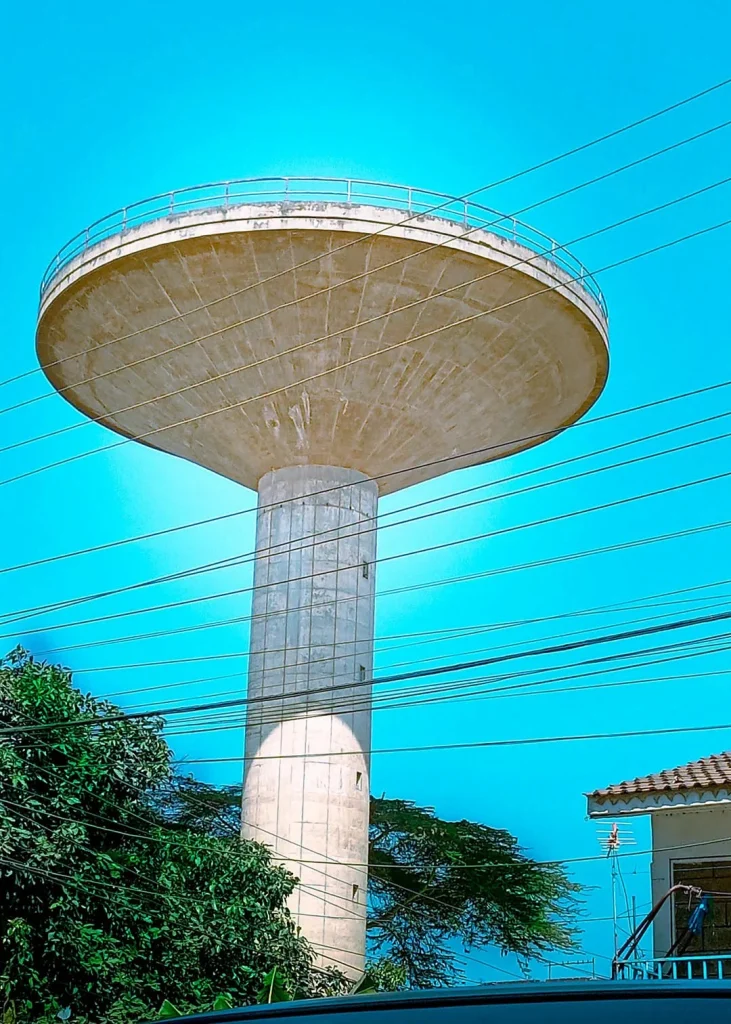
The Donholm Water Tower is one of Nairobi’s most unusual surviving landmarks. Tall, narrow and mushroom-shaped, the structure stands as a reminder of a time when today’s busy Eastlands was still open farmland, dairy herds and dusty tracks leading toward the young colonial town.
Long before Donholm became a densely populated residential estate, the area was part of the vast Doonholm dairy farm associated with James Kerr Watson, a Scottish landowner, architect, contractor and farmer whose work left a lasting imprint on Nairobi. Watson’s farm reportedly stretched across thousands of acres, covering land from the present City Stadium area toward what is now Jomo Kenyatta International Airport.
The water tower was built to serve a practical purpose. It helped supply water to the farm and surrounding activity at a time when large-scale farming needed reliable infrastructure. But more than a century later, the tower has taken on a deeper meaning. It is no longer just a farm utility. It is a physical memory of Nairobi’s transformation from a railway town into a modern capital.
The Origin of Doonholm Farm
The story of the Donholm Water Tower begins with Doonholm Farm. James Kerr Watson arrived in Nairobi in the early 1900s from Scotland and became one of the early European settlers involved in construction, farming and urban development.
Watson named his farm Doonholm after a place connected to his Scottish roots. Over time, the spelling changed in popular use, and Doonholm gradually became Donholm, the name Nairobi residents know today.
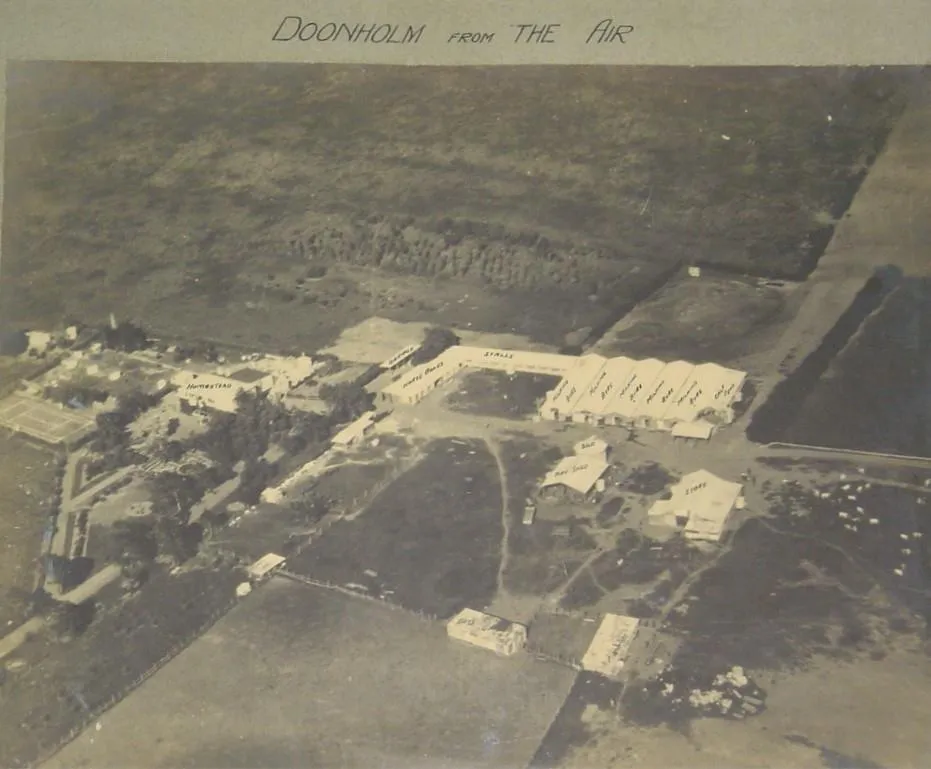
At its peak, Doonholm Farm was a major dairy operation. The land was large, productive and strategically located outside the early Nairobi town centre. It supplied milk to the growing city at a time when Nairobi’s population, institutions and transport network were expanding.
The farm was not just a private estate. It became part of Nairobi’s early food supply system, its transport history and its eastern expansion. The Donholm Water Tower was part of that wider infrastructure.
Why the Donholm Water Tower Was Built
The Donholm Water Tower was designed for function before beauty. A dairy farm covering thousands of acres required water for cattle, workers, domestic use and agricultural operations. Without a reliable water system, large-scale farming would have been difficult, especially in the dry and open landscape east of Nairobi.
Its elevated tank design allowed water to be stored and distributed using gravity. This was a common engineering solution before modern pumping networks became widespread. The tower’s height gave it pressure, while the broad top section created the distinctive mushroom-like shape that still makes it recognizable today.
To modern eyes, the structure may look strange or even out of place. But in its original setting, it made sense. It was a working piece of agricultural infrastructure, serving the daily needs of Doonholm Farm.
James Kerr Watson and Nairobi’s Early Growth
James Kerr Watson was more than a farmer. He was also a builder and architect whose work was linked to several early structures in Nairobi and East Africa. His background in construction helped him turn Doonholm into more than open grazing land.
Watson’s influence extended into roads, buildings and agricultural systems. He worked during a period when Nairobi was still developing its civic identity and physical infrastructure. Roads had to be opened, buildings had to be raised and farms had to supply the growing town.
This is why the Donholm Water Tower matters. It is connected to a figure whose activities cut across farming, architecture and transport. The tower is not just an isolated object. It belongs to a bigger story about how Nairobi’s eastern side was opened up.
How Doonholm Road Became Jogoo Road
One of Watson’s most lasting contributions was the road built through his farm to move milk and produce into Nairobi. The road was originally known as Doonholm Road.
At the time, transporting milk from the farm to the city was not easy. During wet seasons, black cotton soil made movement difficult. A better road was necessary for regular delivery. Watson therefore built a murram road through his land to connect the farm with Nairobi.
That road later became Jogoo Road, one of the most important transport corridors in Nairobi’s Eastlands. Today, Jogoo Road carries thousands of commuters, matatus, buses, traders and private vehicles every day. Few people using it know that its origins are linked to a dairy farm and the movement of milk into colonial Nairobi.
From Dairy Fields to Urban Eastlands
The area around Donholm has changed dramatically. What was once a large farm is now surrounded by residential estates, schools, churches, businesses, roads and apartment blocks.
The transformation reflects Nairobi’s wider urban growth. As the city expanded, agricultural land on its edges was gradually absorbed into housing, transport routes and public infrastructure. Part of the former Doonholm land is also associated with the development of the airport area, now Jomo Kenyatta International Airport.
Donholm’s modern identity is urban, busy and deeply connected to everyday Nairobi life. But beneath that modern surface is a layered past involving colonial settlement, dairy farming, road building and land subdivision.
The Donholm Water Tower is one of the few visible reminders of that earlier landscape.
Why the Tower Still Matters Today
The Donholm Water Tower matters because cities often erase their own memory. Roads are renamed, farms disappear, buildings are demolished and new generations inherit places without knowing how they were formed.
This tower gives Nairobi residents a chance to connect with the past. It shows how infrastructure, even simple infrastructure, can tell a bigger story. A water tower built for a dairy farm now helps explain the origin of a neighbourhood, a major road and a forgotten chapter of Eastlands history.
It also raises an important question about heritage protection. Nairobi has many colonial-era and early post-independence landmarks that remain under-documented. Some are known only through oral history, old photographs or scattered records. Without preservation and proper storytelling, such places can easily disappear.
Donholm, Doonholm and the Power of Place Names
The shift from Doonholm to Donholm is more than a spelling change. It shows how place names evolve as cities grow and communities reinterpret them.
Doonholm reflected Watson’s Scottish background. Donholm reflects Nairobi’s local usage and modern identity. Both names now belong to the same story. One points to the area’s colonial and agricultural origin. The other points to the living neighbourhood that grew from it.
For residents, Donholm is not just history. It is home. It is a place of movement, commerce, family life and urban energy. Understanding the name’s origin adds depth to the estate’s identity.
A Forgotten Landmark Worth Remembering
The Donholm Water Tower may not be as famous as Nairobi’s major monuments, but it deserves attention. Its shape is memorable, its history is layered and its connection to Jogoo Road gives it wider importance.
It represents a period when Nairobi’s eastern frontier was being shaped by farming, construction and transport. It also tells the story of James Kerr Watson, a Scottish architect and landowner whose Doonholm Farm influenced the development of Donholm and surrounding areas.
Today, the tower stands as a quiet witness to more than a century of change. Around it, Nairobi has grown louder, faster and more crowded. But the structure remains a reminder that every city has hidden landmarks, and every landmark has a story.
Conclusion
The Donholm Water Tower is more than an old mushroom-shaped structure. It is a piece of Nairobi’s historical memory.
Built to serve Doonholm dairy farm, associated with James Kerr Watson and connected to the early development of Jogoo Road, the tower links modern Eastlands to the city’s colonial-era agricultural past.
For Nairobi residents, it is a reminder that history is not only found in museums or official monuments. Sometimes, it stands quietly beside a road, waiting for people to ask why it was built, who built it and what it says about the city they live in.
Read Also: Wright Flyer III Crash: The 1905 Accident That Forced the Wright Brothers to Rethink Flight