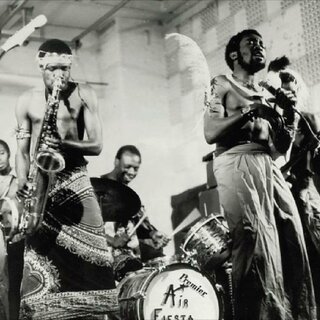
Matata was a pioneering Afro-funk and rock band from Nairobi, Kenya, active from the mid-1960s until 1974. Initially known as Air Fiesta Matata, the group gained a reputation for fusing Swahili lyrics with funk, rock, rumba, and regional African rhythms. Their sound captured both Kenya’s youth culture and international audiences, making them one of the first East African bands to achieve global recognition.
Early History and Formation
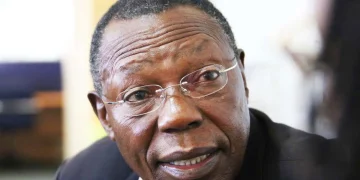
The band was formed in the 1960s by Kenyan musician John Nzenze, a celebrated guitarist and pioneer of the African twist sound. They began as Air Fiesta Matata, performing at Nairobi’s vibrant Starlight Club alongside groups like The Ashantis and The Cavaliers.
Influenced by Stevie Wonder, The Beatles, and South African kwela, Matata blended Western rock elements with African rhythms. Their dynamic style, combined with powerful stage performances, made them a household name in Kenya and across East Africa.
Some members were refugees from Congo, adding Congolese soukous and rumba flavors to the band’s unique Afro-funk sound.
Rise to International Fame
In 1968, Matata represented Kenya at the All-African Music Festival in Algeria, finishing as the third best band in Africa. A year later, they performed in Ethiopia for Emperor Haile Selassie, a rare honor for a Kenyan group at the time.
Their big break came in the early 1970s, when they won the BBC Best Band in Africa Award, sponsored by the BBC World Service in London. This propelled them to Europe, where they were managed by Pearl Connor.
The band played in the UK, France, Germany, Norway, Switzerland, and the US, even opening for Miles Davis during one of his tours. Their cross-continental success cemented their place as one of Africa’s most important bands of the era.
Albums and Discography
Matata signed a two-album deal with President Records in the UK, releasing music that showcased their innovative Afro-funk sound.
Discography:
- Matata – Air Fiesta (1972, President Records)
- Independence (1974, President Records)
Their singles and albums gained international airplay and remain collector’s items for Afro-funk enthusiasts.
Challenges and Disbandment
Despite their growing fame, Matata faced challenges in the mid-1970s. Work permit issues in the UK forced members to return to Kenya, causing instability within the group. Some members chose not to continue dividing time between Nairobi and London.
By 1974, the band had disbanded, though some members, such as Eric Allandale (formerly of The Foundations), continued performing in Africa, including at Zambia’s Independence celebrations.
Legacy and Influence
Although their career was short-lived, Matata’s influence on African funk and rock remains profound. They were among the first Kenyan bands to break into the international music scene, paving the way for future generations of African musicians.
Their fusion of rock, funk, Congolese rumba, and Swahili lyrics created a distinct East African sound that influenced countless bands after them.
Founding member John Nzenze passed away in May 2020 at the age of 80, but Matata’s music continues to inspire both African and global audiences.
Conclusion
The Matata band biography tells the story of one of Kenya’s most important Afro-funk pioneers. From Nairobi’s Starlight Club to stages across Europe and America, they showcased African talent on the global stage. Their albums Air Fiesta and Independence remain classics, while their legacy continues to shape the story of African popular music.