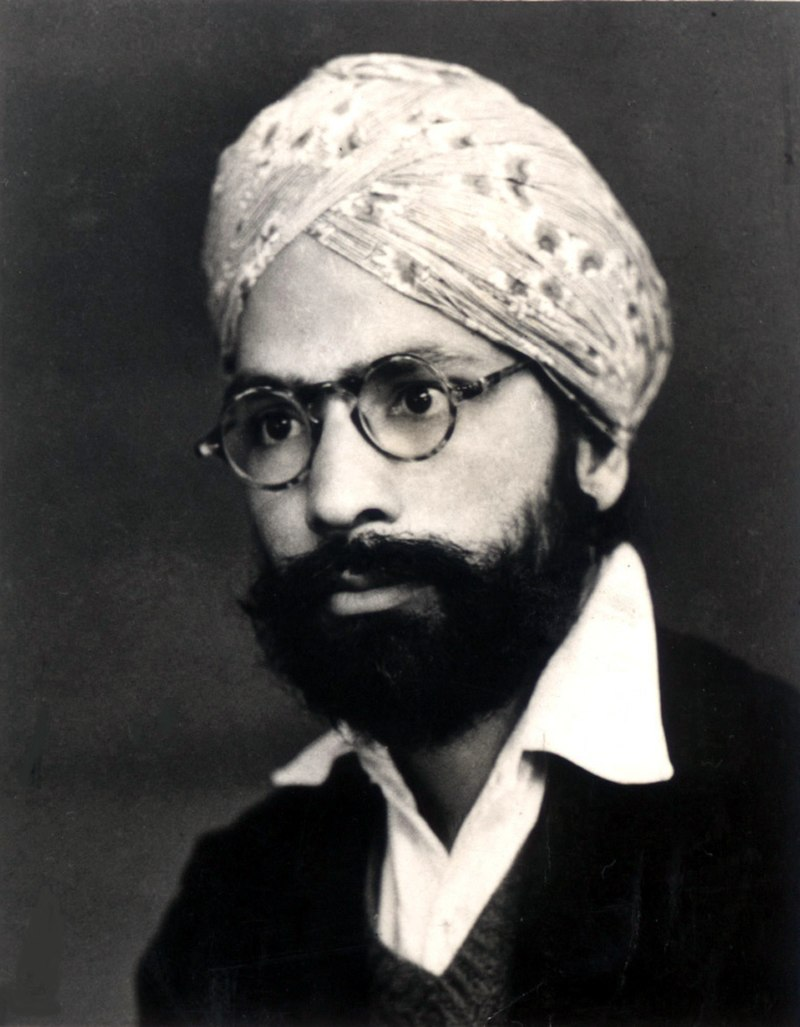
Makhan Singh Jabbal (27 December 1913 – 18 May 1973) was a Kenyan labour union leader who is credited with establishing the foundations of trade unionism in Kenya. He is credited to have played a vital role in the Kenyan Freedom Struggle. He was detained by the British colonialists for 11 years from 1950 to 1961 – the longest ever political detention in Kenya’s history.
Key Contributions & Legacy of Makhan Singh Jabbal
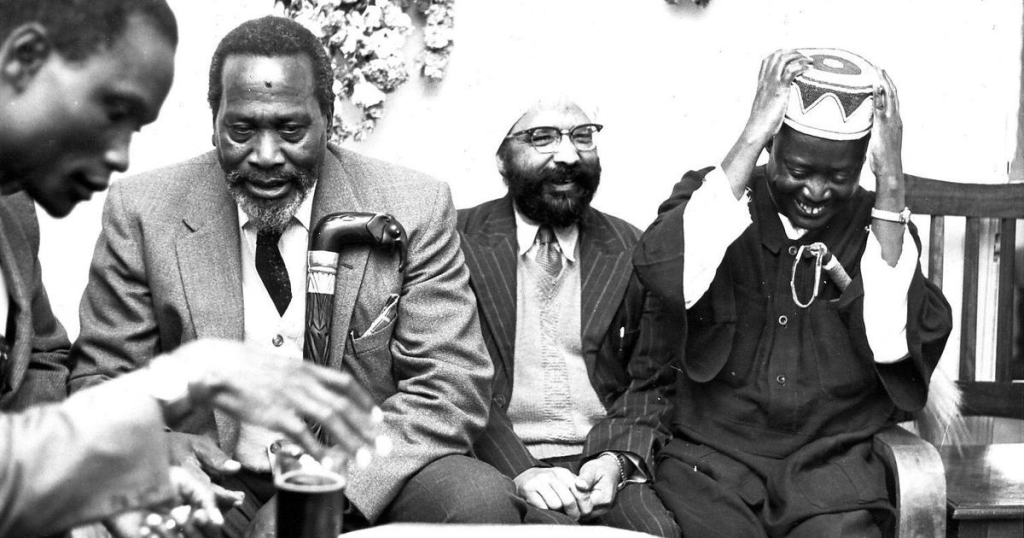
- Father of Trade Unionism: He is credited with establishing the foundations of the labor movement in Kenya, forming the East African Trade Union Congress alongside Fred Kubai.
- “Uhuru Sasa!”: In 1950, he became the first person to publicly demand “Uhuru Sasa” (Freedom Now) during a joint meeting of the Kenya African Union and the East African Indian National Congress.
- Non-Racial Solidarity: Singh rejected colonial attempts to segregate Indians from Africans, successfully organizing multi-racial trade union activities to challenge British rule.
- Political Sacrifice: Despite his massive role, he was largely sidelined in post-independence politics and died in 1973 with only KSh 350 in his savings, never having taken payment for his union work. [1, 2, 3, 4, 5, 6, 7]
Read Also: Kenyan freedom fighter Makhan Singh (1913-1973)
Early life of Makhan Singh Jabbal
Makhan Singh was born in Gharjakh, a village in Gujranwala District, Punjab to a Sikh family. In 1927, at the age of 13, he moved with his family to Nairobi, a municipality which, since 1905, had functioned as the administrative capital of the British East African protectorate.
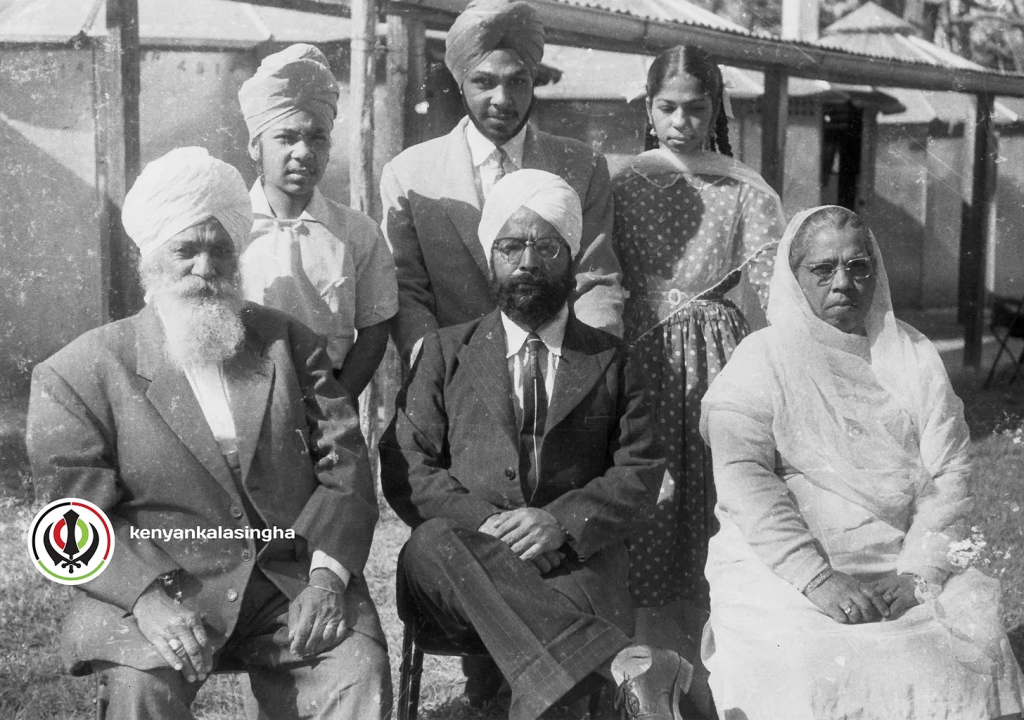
📍 Key Locations & Life Events
- Birthplace: Born in Gharjakh, Gujranwala (modern-day Pakistan) before moving to Kenya at age 14 to join his father.
- Nairobi (Early Activism): Began his work in his father’s printing press and later organized strikes and boycotts from Kaloleni Hall.
- Detention Sites: Spent over a decade in harsh conditions in Northern Kenya (including Maralal and Lokitaung), often in solitary confinement.
- Aga Khan Hospital: He passed away here in Nairobi on May 18, 1973, following a cardiac arrest. [1, 2, 3, 4, 5, 6]
Indian Freedom Movement
From the end of the Second World War he participated in the Indian Freedom Movement from Kenya where he as jailed in Gujarat Jail, he was freed after multiple fasts unto death.
The Indian Trade Union was formed in 1934 and Makhan Singh elected its secretary not long after, in March 1935. Soon, Makhan Singh convinced his nearly 500 fellow unionists to change the name of their association to the Labour Trade Union of Kenya and open membership to all, regardless of race. Singh’s action at both a basic, semantic level and a broader, organizational level signalled his intent to break free of the political and racial narrowness of daily life in colonial Kenya. To this end, biographer Nazmi Durrani says, the union published its handouts in Kiswahili besides Punjabi, Gujarati and Urdu. This encourages us to believe that Makhan Singh’s inclusion of Africans in his trade union activities was not merely symbolic and that he was determined to reach out to as wide a swathe of subjugated races as possible. He was arrested in 1943 and in January 1945, he was set free. Wasting no time, he took up work as a sub-editor at Jang-i-Azadi, the weekly published by the Punjab Committee of the Communist Party.
Read Also: List of Kenyan freedom fighters
Kenya was a centre of Ghadr Party until 1947. Three Punjabis Bishan Singh of village Gakhal Jalandhar, Ganesh Das and Yog Raj Bali of Rawalpindi were summarily tried and hanged to death in public in December 1915 for possessing and distributing Ghadr.
Kenyan Freedom Movement
In Kenya he had done something unprecedented. In the month of April, Makhan Singh gave a call in Nairobi for Uhuru Sasa, a Kiswahili expression meaning Freedom Now. For the first time, someone had commanded the British to grant complete independence to their territories in East Africa.
In 1935, he formed the Labour Trade Union of Kenya and, in 1949, he and Fred Kubai formed the East African Trade Union Congress, the first central organization of trade unions in Kenya.
After having spoken out in clear and strong terms against British occupation and colonial rule in Kenya on 23 April 1950 at Nairobi’s Kaloleni Halls, Makhan Singh was arrested within 21 days on 15 May. He had inadvertently given the British colonial masters an opportunity to silence him. At a trial in Nyeri, Chanan Singh (later Justice Chanan Singh) defended him eloquently and with rigour. He was acquitted.
While in jail he still organized strikes and fasts. Although the greatest feat of his power was from 1951 to 1955, where he issued the Sector Nairobi, Kenya Trade Union to stop trading with Britain altogether. After he left jail in 1961 he was able to reset his Trade Union although Jomo Kenyatta and him, at the time partners with the same respect in society, were able to negotiate with the British to set up Kenya as a democracy, although he wanted it to be a Communist nation.
Post Independence life of Makhan Singh Jabbal
Post-independence, Makhan Singh was left out of any national involvement. Heartbroken, he became a social recluse and directed his mind to writing the history of Kenya’s trade unionism in his volumes. He died of a heart attack on 18 May 1973 at the age of 59.
Remembering Makhan Singh Today
- Nairobi Gallery (Murumbi Art Gallery): An exhibition titled “Makhan Singh’s Legacy” has recently been held here to highlight his and the Asian community’s role in the freedom struggle.
- Commemorative Lectures: Organizations like Rhodes University and various Kenyan institutions hold memorial lectures to revisit his ideological impact. [1, 2, 3]
Read Also: General Kago: The Fearless Leader of the Kenya Land and Freedom Army