Mombasa, Kenya – Global shipping giant Maersk has issued a warning to clients regarding anticipated cargo delays at Kenya’s Port of Mombasa, citing increased yard density and equipment challenges as key factors behind the congestion.
The delays are expected to impact both food and non-food imports destined for Kenya and regional markets such as South Sudan, Rwanda, and the Democratic Republic of the Congo (DRC), which rely heavily on Mombasa for cargo handling.
Causes of Port Congestion
In a customer advisory, Maersk reported that the yard occupancy at Mombasa Port has increased significantly over the past few weeks, leading to delays in vessel berthing and departures. This has caused disruptions to the company’s scheduled shipping operations, forcing adjustments in estimated arrival times.
Additionally, ships arriving from Far East Asia—including Shanghai, Ningbo, and Singapore—are experiencing delays at major global ports, further complicating Mombasa’s situation. Vessels that were originally expected to dock on Thursdays are now arriving on Fridays, with the possibility of further delays.
Impact on Cargo Handling
Due to the congestion, Maersk has acknowledged that some cargo shipments may be offloaded at transshipment ports, a scenario known as “unexpected cut and runs.” In such cases, not all containers may be discharged as scheduled, and shipments will have to be prioritized for the next available vessel.
“We appreciate your patience during this time and assure you that we are working around the clock to restore normal operations for improved productivity,” Maersk stated.
Port Activity and Cargo Volume Growth
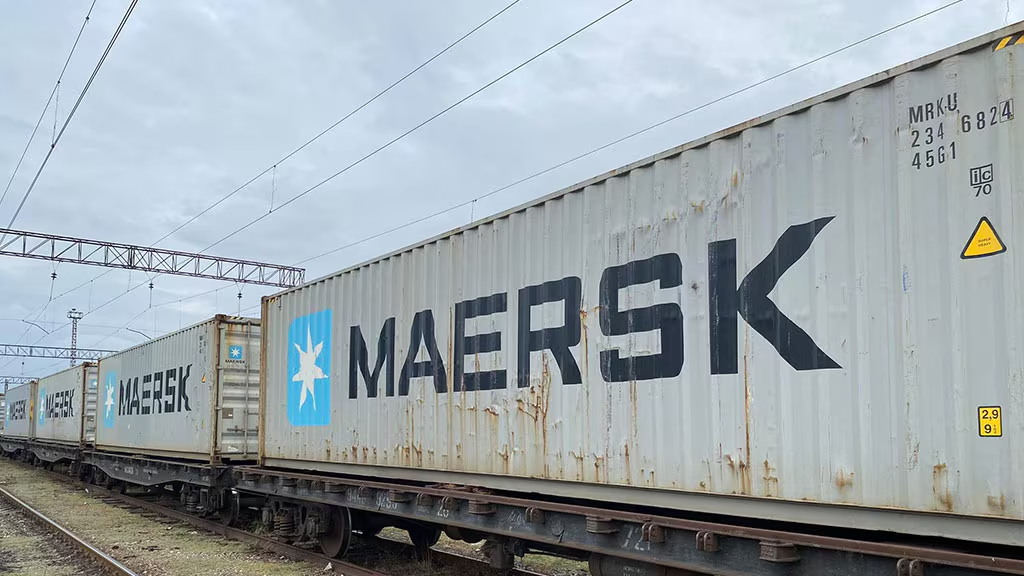
Despite the challenges, the Kenya Ports Authority (KPA) has reported a 12.1% increase in cargo throughput at the Port of Mombasa, handling 29.92 million metric tonnes in the first nine months of 2024, compared to 26.68 million metric tonnes in the same period in 2023.
This growth is largely attributed to congestion at other key African ports such as Dar es Salaam (Tanzania) and Durban (South Africa), prompting shipping lines and importers to reroute cargo to Mombasa.
However, the increased volume has strained port infrastructure and equipment, exacerbating vessel delays and impacting the overall efficiency of cargo handling operations.
Maersk’s Advisory to Customers
In response to these delays, Maersk has advised customers to:
✅ Adhere to cut-off timelines for cargo deliveries.
✅ Plan for early stacking and gate-in of export units to avoid disruptions.
✅ Expect potential changes in berthing, sailing, and cut-off details for its Mawingu and Mashariki services.
Efforts to Address Congestion
The Kenya Ports Authority (KPA) has yet to issue a formal statement on the congestion. However, port officials are implementing several measures to enhance efficiency, including:
✔ Infrastructure expansion to increase yard capacity.
✔ Equipment upgrades to improve cargo handling speed.
✔ Process optimization to reduce ship turnaround times.
With Mombasa Port being a crucial hub for East and Central Africa, addressing these logistical hurdles is essential for maintaining smooth trade flows across the region.