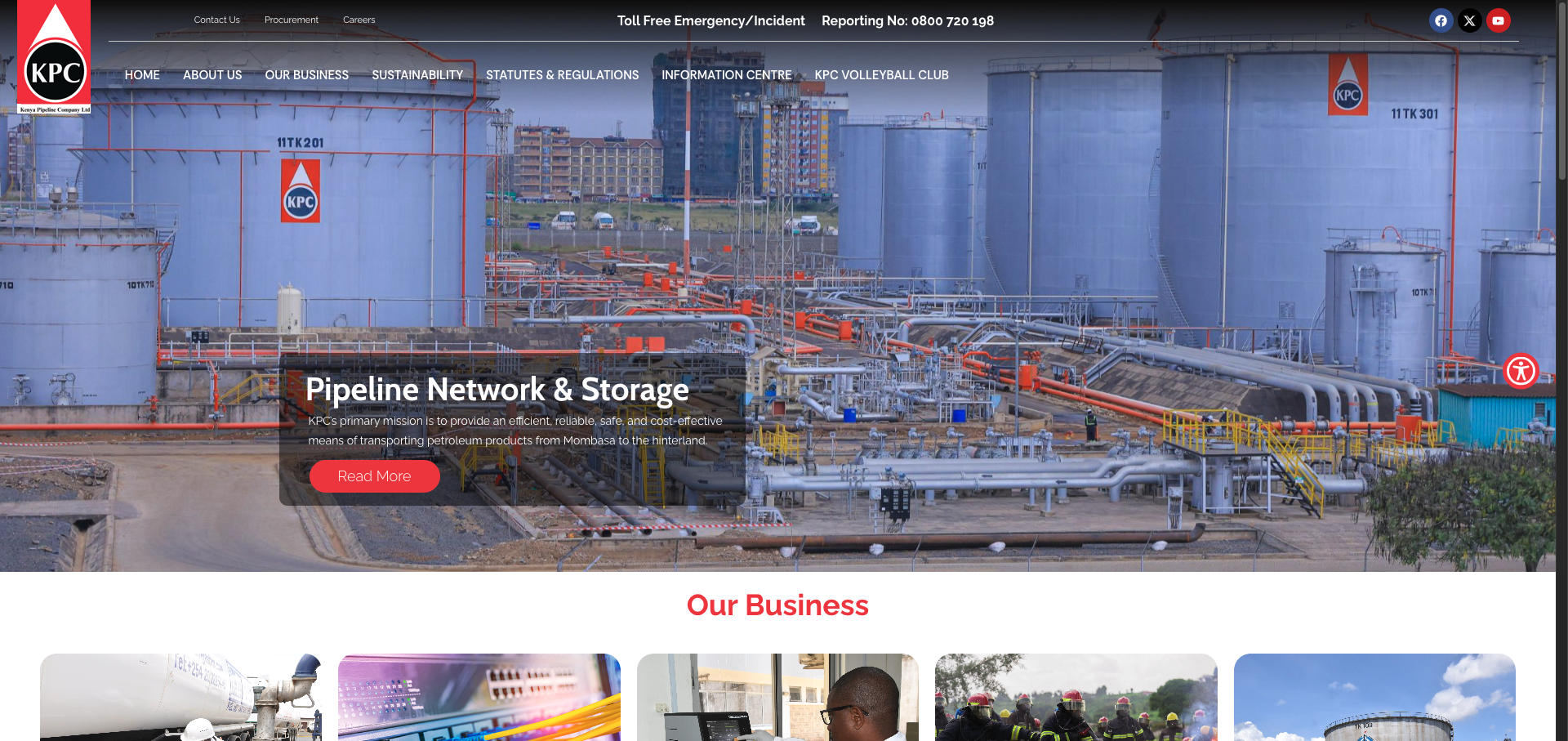
The Kenya Pipeline Company (KPC) is a state-owned enterprise tasked with the strategic responsibility of transporting, storing, and delivering petroleum products across Kenya. Since its incorporation on 6 September 1973, KPC has developed into one of the most vital institutions in Kenya’s energy infrastructure, enabling the safe and efficient movement of fuel from coastal import hubs to inland cities and towns.
Operating under the Ministry of Energy, KPC plays a crucial role in the country’s economic stability and growth by ensuring a seamless supply chain for refined petroleum products. With a pipeline system stretching from Mombasa to Nairobi, and further inland to Nakuru, Kisumu, and Eldoret, the company guarantees that energy reaches all corners of the nation in a timely and cost-effective manner.
Mandate and Strategic Importance
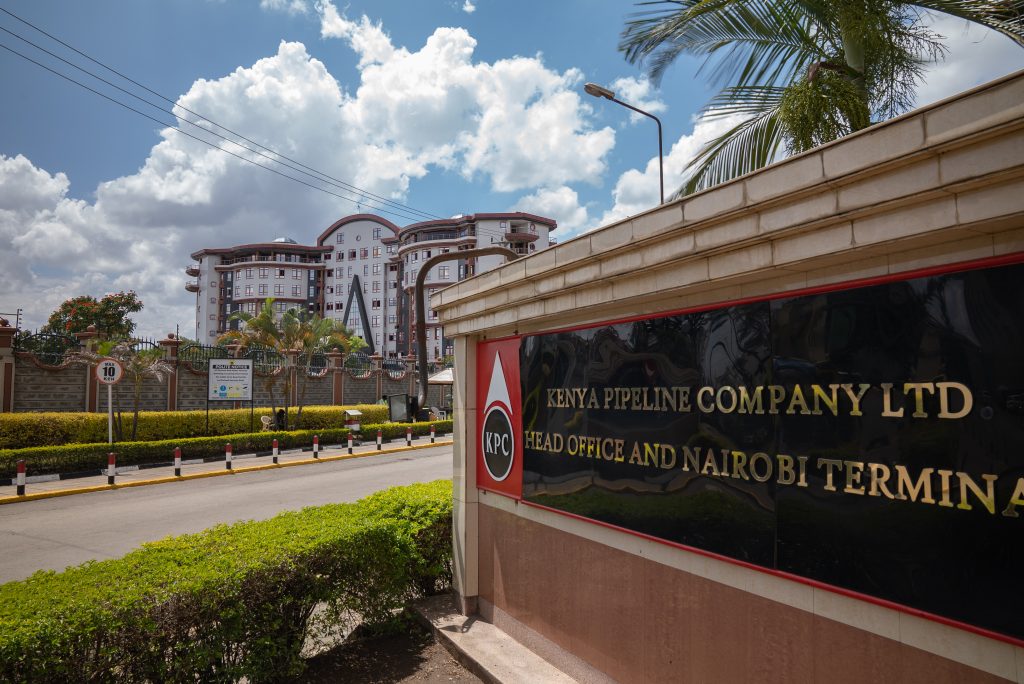
The core mandate of the Kenya Pipeline Company is to build, operate, and maintain a pipeline and depot system that supports the transport and storage of petroleum products. This responsibility extends beyond logistics—it also supports national energy security and regional trade. Key highlights of KPC’s mandate include:
- Managing pipeline infrastructure from Mombasa to Nairobi and further to Western Kenya.
- Operating fuel storage and distribution depots in Eldoret, Kisumu, Mombasa, Nairobi, and Nakuru.
- Supplying aviation fuel at depots located in Jomo Kenyatta International Airport (JKIA) and Moi International Airport, Mombasa.
- Collaborating with the National Oil Corporation of Kenya (NOCK) to ensure consistent petroleum distribution.
- Acting as a government agent for special energy-related projects.
KPC’s infrastructure supports not only the domestic market but also regional trade, particularly in East Africa. Kenya serves as a petroleum logistics hub for countries like Uganda, South Sudan, Rwanda, and parts of the Democratic Republic of Congo.
Energy Infrastructure and Operations
Kenya Pipeline Company operates the most extensive and advanced petroleum transport infrastructure in Kenya. It receives refined products from:
- The Kipevu Oil Storage Facility (KOSF) in Mombasa (for imports).
- Kenya Petroleum Refineries Ltd (KPRL) near Nairobi (for locally refined fuel).
These products are then transported via a multi-line high-pressure pipeline system, primarily to inland storage facilities. To ensure aviation reliability, KPC also manages two dedicated jet fuel depots at JKIA and Moi International Airport.
KPC has also taken part in modernizing and expanding the system. In 2016, it secured a $350 million loan to finance the construction of a new 865-kilometer pipeline from Mombasa to Nairobi. This project was designed to replace the aging Line 1 pipeline and to meet rising fuel demand in Kenya and the region.
Role in National Policy and Governance
In addition to logistics and distribution, KPC actively supports the Kenyan government’s petroleum policy:
- Pipeline Extension Projects: It participates in discussions and proposals for extending the fuel pipeline to South Sudan, improving regional integration and reducing transport risks.
- Fuel Quality and Anti-Adulteration: KPC supports regulatory efforts to curb fuel adulteration, ensuring high-quality standards for domestic and export markets.
- Revenue Generation: Uniquely, KPC is financially self-sustaining, paying dividends and taxes to the national treasury. Unlike some state corporations, it does not depend on government subsidies.
Privatization and Restructuring Efforts
In November 2023, the Kenya Pipeline Company was listed among 12 major state corporations slated for privatization by the government. This move is part of a broader reform strategy aimed at enhancing operational efficiency, improving corporate governance, and reducing the public sector wage bill.
The announcement triggered considerable public and parliamentary debate, with stakeholders raising concerns over national energy security and the potential loss of public control over critical infrastructure. However, the government maintains that partial privatization could unlock investment, modernize infrastructure, and boost regional competitiveness.
Challenges and Controversies
Despite its strategic importance, KPC has not been immune to scandals and systemic challenges:
Corruption Scandals
On 7 December 2018, KPC’s then CEO Joe Sang and four other senior executives were arrested over allegations of financial misconduct linked to the construction of an oil jetty in Kisumu. The arrest followed investigations into misappropriation of funds, lack of oversight, and irregular procurement procedures.
This case was part of a broader national crackdown on corruption in public institutions. The arrest signaled increased pressure on state corporations to adopt transparency, ethical leadership, and accountability.
Operational Hazards
In September 2011, a devastating pipeline fire in the Sinai slum of Nairobi led to over 100 deaths. The explosion occurred after a pipeline leak led to the accumulation of fuel vapor, which was ignited, causing a catastrophic blaze. The tragedy exposed major flaws in urban planning, emergency response, and pipeline security. It also underscored the need for stringent safety protocols.
Regional Partnerships and Future Prospects
KPC’s strategic value extends to East Africa. The company has participated in ongoing discussions to develop a regional oil pipeline corridor, potentially linking Kenya to South Sudan’s oilfields. Such projects would significantly reduce South Sudan’s dependence on Sudanese infrastructure and create a new revenue stream for Kenya.
With increasing demand for clean energy, KPC has also shown interest in expanding LPG handling and storage capacity, potentially transforming the country into a key liquefied petroleum gas hub in the region.
Conclusion
The Kenya Pipeline Company is not just a state-owned enterprise—it is a critical enabler of national and regional economic stability. Its pipelines and depots keep the engines of industry, aviation, and transport running across Kenya and East Africa. As it enters a new chapter of potential privatization, reform, and modernization, KPC will remain central to the energy landscape and a pivotal player in Kenya’s quest for energy independence, economic integration, and regional leadership.