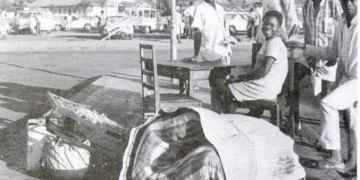
Kaloleni Social Hall, a weathered but iconic structure in Nairobi’s Eastlands, holds deep historical significance as a crucible of Kenya’s anti-colonial struggle. Though now surrounded by dilapidated bungalows, crumbling pavements, and street defense posters nailed on dying trees, the hall remains a symbol of political awakening and resistance. Once echoing with the cheers of basketballers and the discipline of karate trainees, this battered structure served as the epicenter of radical organizing in the 1950s.

In its heyday, Kaloleni Social Hall hosted impassioned meetings by African trade unionists defying colonial restrictions. It was within these walls that legendary leaders like Tom Mboya and Apolo Milton Obote coordinated efforts to galvanize public support, with Mboya vying for a Legislative Council seat. Eyewitnesses recall Obote’s visible comfort and command within the hall, described by his wife, Miria Obote, during a 2015 East African Commission event in Arusha. This landmark not only shaped Kenya’s political history but also became a training ground for civic resistance long before independence was won.