Juan José Arévalo
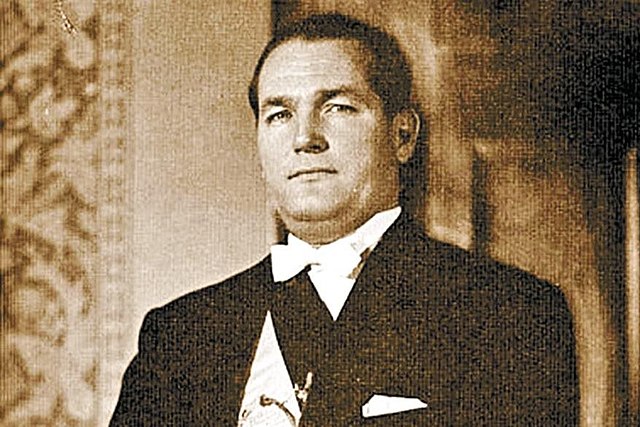
(born September 10, 1904, Taxisco, Guatemala—died October 6, 1990, Guatemala City) was a Guatemalan educator, intellectual, and reformist leader who became the first democratically elected president of Guatemala (1945–51) after the fall of dictator Jorge Ubico.
Arévalo studied at the University of Guatemala before pursuing higher education in Argentina, where he earned a doctorate in philosophy and education from the University of La Plata (1928–34). In Argentina, he absorbed progressive and social-democratic ideas that would later define his political vision. After briefly serving in Guatemala’s Ministry of Education in 1936, he returned to Argentina to continue teaching before reentering Guatemalan politics.
Rise to Power and Presidency (1945–1951)
The overthrow of dictator Jorge Ubico in 1944 opened the door for democratic reforms. In December 1944, Arévalo won the presidency with an overwhelming 85 percent of the vote, becoming the country’s first leader chosen in a free election. His victory was fueled by strong backing from organized labour and Guatemala’s growing middle class.
During his presidency, Arévalo launched what he termed a “spiritual socialism”—a moderate form of social democracy distinct from Marxism. His government implemented sweeping reforms:
- Established a national social security system, offering benefits to workers.
- Introduced a labour code that expanded workers’ rights and protections.
- Promoted education, building schools and expanding access for rural and indigenous communities.
- Improved public health and expanded infrastructure projects, including road construction.
Arévalo also encouraged political pluralism, allowing freedom of speech and press—a stark departure from previous authoritarian regimes.
Foreign Policy and Opposition
Arévalo’s presidency emphasized nationalist and independent foreign policy. He reopened Guatemala’s territorial dispute with Britain over Belize and refused to recognize authoritarian regimes such as Anastasio Somoza’s Nicaragua, Francisco Franco’s Spain, and Rafael Trujillo’s Dominican Republic.
His progressive domestic agenda, however, provoked resistance from conservative landowners, elements of the military, and foreign business interests. He survived several coup attempts during his presidency, highlighting the deep polarization within Guatemala at the time.
Later Life and Writings
After leaving office in 1951, Arévalo remained politically active. In 1963, he attempted to run again for the presidency but was barred from participating after Col. Enrique Peralta seized power in a coup.
Arévalo continued to champion Latin American sovereignty and social justice through writing. His influential book, The Shark and the Sardines (1961), condemned U.S. domination in Latin America and became widely read across the region.
From 1970 to 1972, he served as Guatemala’s ambassador to France, furthering his country’s diplomatic presence abroad.
Arévalo died on October 6, 1990, in Guatemala City, at the age of 86.
Legacy
Juan José Arévalo is remembered as a visionary reformer who sought to modernize Guatemala and empower workers and indigenous communities. His social security reforms, labour protections, and educational programs laid the groundwork for future progress, even though they faced resistance.
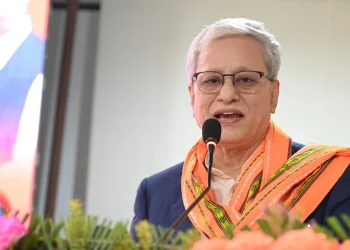
As the father of Guatemala’s democratic era, Arévalo inspired later generations, including his son Bernardo Arévalo, who would also rise to national leadership. Despite political turbulence and opposition, Arévalo’s presidency remains a turning point in Guatemalan history, symbolizing hope for democracy, social justice, and independence from foreign domination.
Key Facts at a Glance
| Year | Event | Outcome |
|---|---|---|
| 1904 | Born in Taxisco, Guatemala | Birth of future reformist leader |
| 1928–34 | Studied at University of La Plata, Argentina | Earned doctorate in philosophy and education |
| 1944 | Elected president of Guatemala | Won with 85% of the vote |
| 1945–1951 | President of Guatemala | Introduced social, labour, and education reforms |
| 1946 | Established social security system | Expanded worker protections |
| 1947 | Enacted labour code | Strengthened workers’ rights |
| 1961 | Published The Shark and the Sardines | Criticized U.S. influence in Latin America |
| 1963 | Prevented from running for president | Blocked by Col. Enrique Peralta’s coup |
| 1970–72 | Ambassador to France | Represented Guatemala abroad |
| 1990 | Died in Guatemala City | Age 86 |