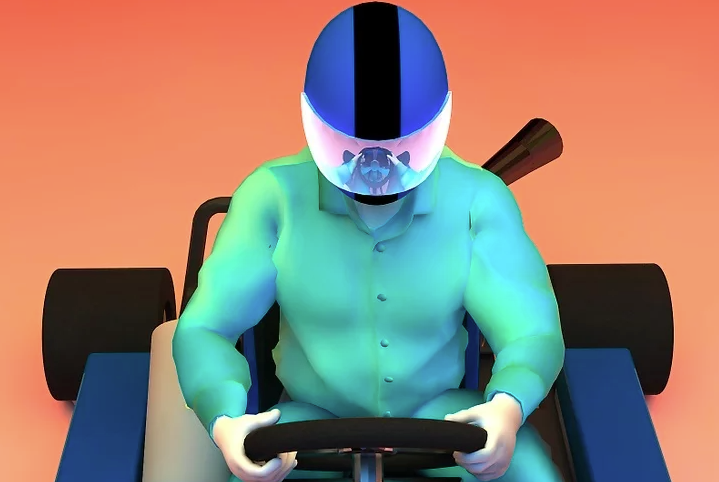
Learning how to drive a go kart is both exciting and rewarding. Whether you’re racing for fun or competition, mastering control, speed, and track awareness is key. Go-karting teaches essential driving techniques that form the foundation for professional motorsport training. This guide covers everything from basic safety and acceleration to cornering strategy and speed management — so you can drive confidently, improve lap times, and enjoy the thrill of every race.
Step-by-Step Guide on How to Drive a Go Kart
| Step | Instructions |
|---|---|
| 1. Gear Up for Safety | Always wear a certified helmet and thick clothing like long sleeves and pants. These protect against bumps or scrapes in case of contact or crashes. Most tracks provide helmets, but personal safety gear is recommended for frequent drivers. |
| 2. Sit Properly in the Seat | Sit comfortably with your back pressed against the seat and buckle your seatbelt. Adjust your position so your feet can fully reach both pedals. Avoid leaning forward — it actually reduces speed and control. |
| 3. Hold the Steering Wheel Correctly | Grip the wheel firmly with both hands at “10 and 2” or “9 and 3” positions. Go-karts lack power steering, so symmetrical hand placement ensures better control through corners. |
| 4. Use the Accelerator Smoothly | The accelerator pedal is on the right. Press it gently to start moving and increase speed gradually. Avoid slamming down, which can make the kart lurch forward or lose traction. |
| 5. Master the Brake Pedal | The brake is on the left. Press lightly to slow down or push fully to stop. Use the same foot (usually the right) for both pedals to avoid pressing both at once. |
| 6. Avoid Pressing Both Pedals | Never press the accelerator and brake simultaneously. Doing so can stall the engine or damage the go kart’s transmission system. |
| 7. Handle Turns Like a Pro | Enter turns slowly and accelerate out of them. Brake before turning, steer smoothly through the curve, then press the accelerator as you exit. Speed is gained on straights, not corners. |
| 8. Watch the Track Ahead | Keep your eyes forward to anticipate obstacles and plan your path. Predicting movements allows smoother control and prevents sudden braking. |
| 9. Drive Straight and Maintain Lines | Maintain a straight line whenever possible. Weaving or zigzagging slows you down and increases collision risk. Choose clear lanes to maintain consistent momentum. |
| 10. Build Speed Gradually Each Lap | Start slower during the first lap, then increase speed with each round. This helps your tires warm up and ensures stable handling as you gain confidence. |
| 11. Avoid Hitting Curbs and Barriers | Collisions or scraping walls can damage your kart and drastically reduce speed. Maintain safe spacing from curbs and other drivers to keep a smooth pace. |
| 12. Use Cornering Strategy (Wide In, Tight Out) | Approach corners from the outside edge, cut toward the inside mid-turn, and drift back out wide. This “racing line” keeps your momentum and shortens your time through curves. |
| 13. Practice Regularly | The best way to improve is through consistent practice. Each session helps you fine-tune timing, braking, and steering precision. |
| 14. Time Your Laps | Record each lap to track improvement. Aim to reduce your times progressively by applying better control and racing lines. |
| 15. Learn the Track | Study the track layout and memorize turns, braking zones, and straight sections. Familiarity gives you a competitive edge in speed and confidence. |
Tips
- Stay relaxed — tense arms reduce your control.
- Always warm up before racing to understand track grip.
- Watch faster drivers to learn their cornering techniques.
- Gradually push your limits; avoid over-speeding early on.
- Keep your kart well-maintained and check tire pressure before racing.
Warnings
- Never bump other karts intentionally — it’s unsafe and penalized at most tracks.
- Avoid drifting excessively as it slows down your lap times.
- Follow all safety and track rules; reckless driving can get you disqualified.
- Ensure you stay hydrated — racing gear and heat can cause fatigue.
Conclusion
Mastering how to drive a go kart takes patience, consistency, and focus. Begin with the basics — steering, braking, and maintaining balance — before moving on to more advanced speed and cornering techniques. With practice, you’ll gain smoother control, faster lap times, and greater confidence on any track. Remember, safety always comes first — drive smart, stay alert, and enjoy the race.